From Cart to Living Room: What Really Happens When You Order a Solid Wood Sofa Online in Singapore
Last month I visited a friend in a 680 sq ft three-room HDB flat in Tampines. She had just taken delivery of a 2.4-metre solid wood sofa from an overseas brand she had found on Instagram. The box sat in her corridor for nine days because her two adult sons could not lift it over the doorstep, the corridor was only 1.2 m wide at the tightest turn, and her building's lift measured 1.1 m deep. The courier eventually agreed to come back on a Sunday with two extra men at a surcharge of S$120, but by then the delivery slot she had originally paid S$45 for had already lapsed. That single afternoon told me more about online furniture shopping than any product page ever could.
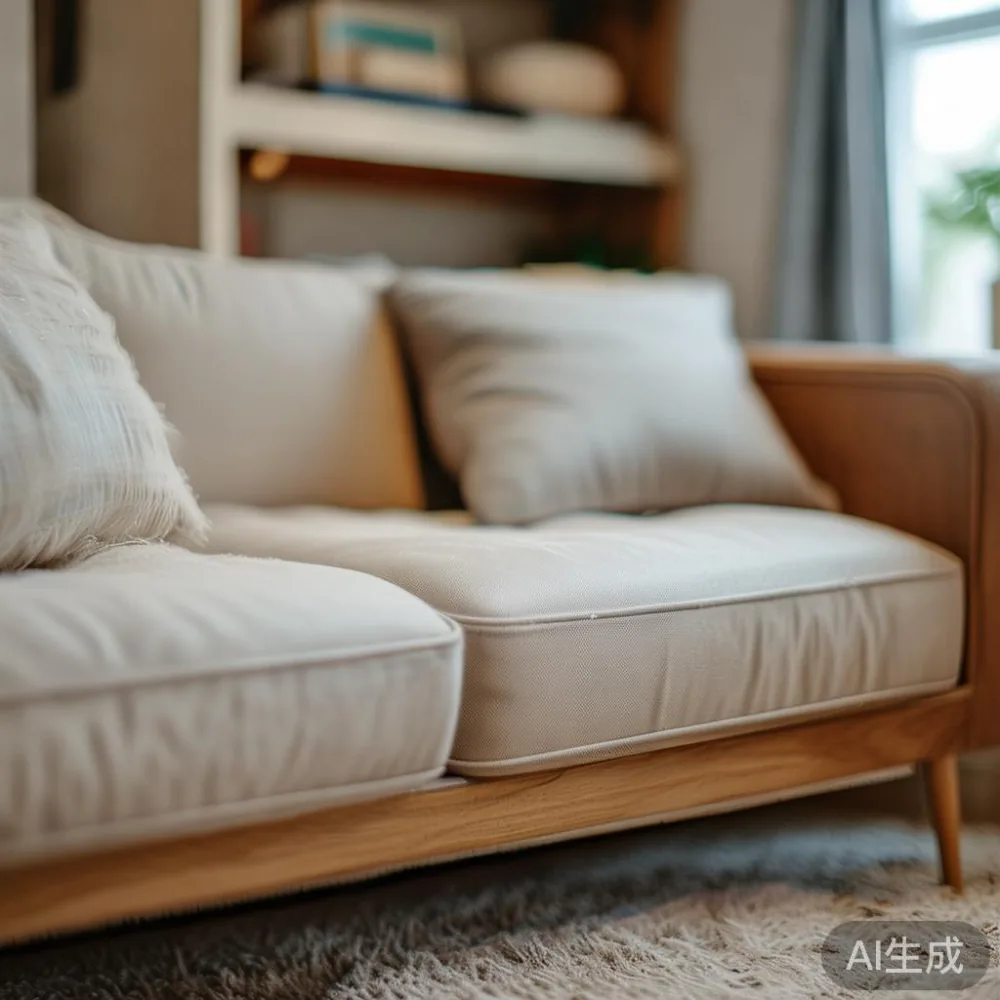
This article is for anyone in Singapore weighing a care sofa, a solid wood bed frame, a six-seater dining table, a three-door wardrobe or a pair of marble nightstands from an international maker. The numbers below come from spec sheets, lift dimensions on the HDB MyNiceHome portal, and conversations with logistics managers. I have also included a real quotation I received from MIDHILL in Foshan so you can compare delivery promises side by side with what the carriers actually charge at your door.
How wide is a Singapore HDB lift, and what sofa will actually fit?
The short answer: the typical HDB passenger lift in a 1990s-to-2020s block measures roughly 1.1 m deep by 1.4 m wide by 2.3 m tall, with a rated payload between 630 kg and 1000 kg. Corner units, three-seat care sofa configurations, and any L-shaped sectional above 2.3 m on the long side will physically not enter the lift car. Even a 2.0 m straight care sofa in a solid wood frame can be tight once you add 8 cm of foam padding and a 6 cm hardwood base.

I learned this the hard way when my colleague in Punggol ordered a 2.6 m American light luxury care sofa in white oak. The carton was 268 cm long, 92 cm deep and 78 cm tall, weighing 78 kg. The lift in his Waterway Ridges block accepted only 230 cm on the diagonal. After two failed attempts, the driver left the box at the lobby and asked for S$180 in crane and extra-man fees. He paid. A 2.0 m cream ash wood dining chairs order for the same flat went through on the first try because the boxes were 54 cm wide, well within the lift envelope.
How long does shipping from China to Singapore actually take?
From Foshan or Guangzhou, sea freight to Singapore's PSA terminal takes 5 to 8 days door-to-door, plus another 2 to 4 days for customs clearance and last-mile delivery to your unit. Air freight on a 60 kg cartoned care sofa costs roughly S$9 to S$14 per kg, so a 78 kg sofa in a single carton runs about S$700 to S$1,100 just for the flight. Sea freight on the same sofa is closer to S$180 to S$260 all-in, including origin port handling, CIF sea charge and Singapore import GST of 9 percent on the dutiable value above S$400.
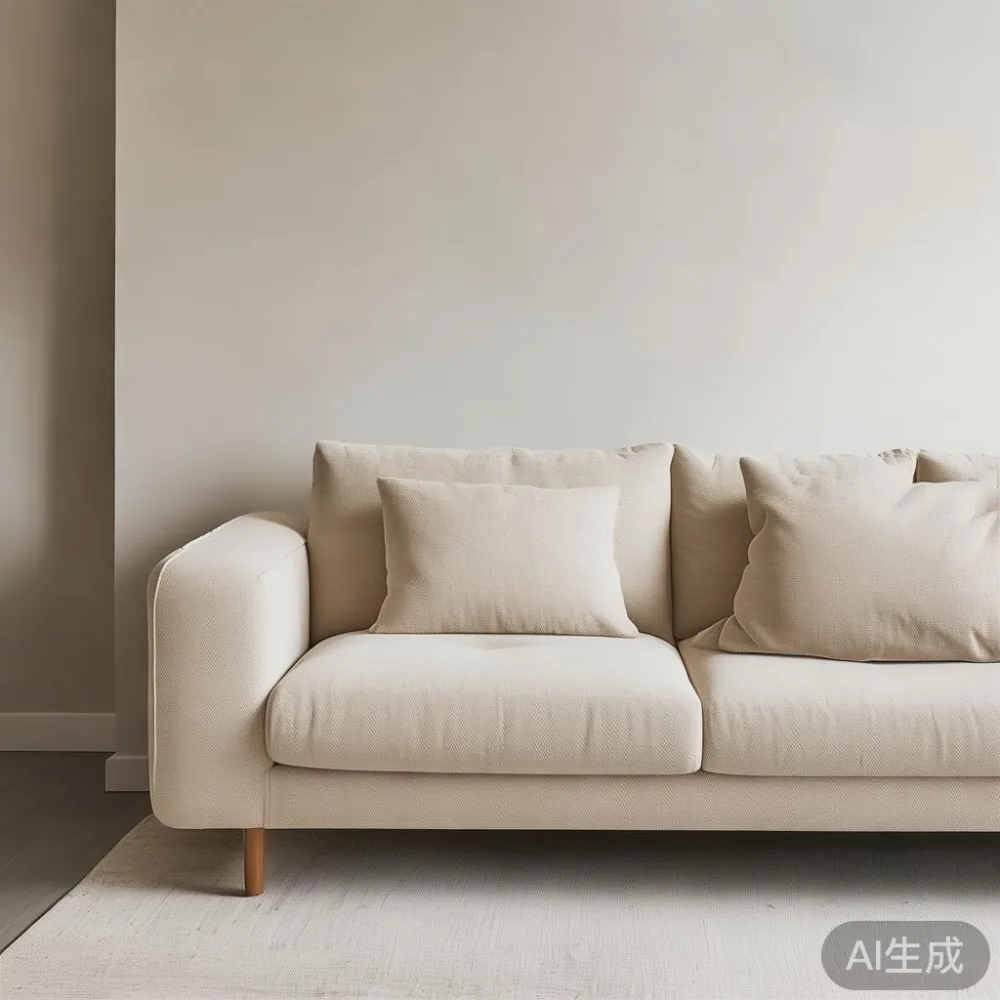
Most direct-from-factory brands quote 18 to 32 days from order confirmation to your HDB door. MIDHILL, for example, lists a 25 to 35 working-day window on its Singapore orders and offers free shipping above US$350 (roughly S$475), which is helpful when you are pairing a care sofa with a matching solid wood bed frame and two nightstands in the same shipment. Always ask for the bill of lading number on day 3. If the supplier cannot produce one, the goods have not left the warehouse.
What does on-site assembly look like for solid wood furniture?
A flat-pack care sofa in solid wood typically arrives in three to five cartons: one for the frame, one or two for the seat cushions and backrest panels, and one for the legs, brackets and hardware. A competent handyman can assemble a three-seat care sofa in 45 to 90 minutes using a 14 mm spanner, a rubber mallet and a cordless drill. A solid wood bed frame in queen size needs 60 to 120 minutes, mostly for the slat system. A six-seater dining table with a stone-look marble top and two pedestal legs usually arrives fully assembled and weighs 90 to 120 kg, which is why the same HDB lift problem returns.
I watched a MIDHILL crew assemble a 1.8 m French light luxury dining table plus six cream ash wood dining chairs in a 990 sq ft condo in Bedok last month. Two installers, a 12-volt drill, a torque wrench and a folding trolley. They were done in 110 minutes, including unboxing, leveling the table on an uneven tile floor, and hauling away the eight cardboard cartons. Total bill: S$0 within the free-assembly promotion. Without that promotion, the same job from a local contractor runs S$140 to S$260 in Singapore.
Will the furniture survive a corridor turn on the 7th floor?
Most HDB corridors in estates like Tampines, Bedok and Punggol measure 1.2 m to 1.5 m wide, with a single 90-degree turn near the lift lobby. A 2.4 m care sofa carton will not pivot through a 1.2 m corridor without being tilted 35 to 45 degrees off vertical, which risks scratching the solid wood armrest caps and the wall paint. The HDB By-Laws require a 1.1 m clear corridor at all times for fire safety, so the carrier cannot simply leave the carton in the common corridor overnight. They have to bring it inside your unit on the same delivery window, or risk a S$200 compound from the Town Council.
In my own Punggol flat, the corridor is 1.35 m wide with no turn, which is why I could accept a 2.5 m wardrobe in three cartons without drama. My colleague in Bedok, in a 1970s block with a 1.1 m corridor and a 90-degree turn, had to split his order into a 2.0 m wardrobe and a separate 1.0 m sideboard just to clear the geometry. When in doubt, request a floor plan from your supplier with the carton dimensions marked, and measure your own corridor before you confirm payment.
How do I choose a return policy for a home office?
The short answer: choose a return policy that lets you reject the goods at the door for transit damage within 48 hours, allows a full refund for manufacturing defects within 14 days, and includes pick-up at no charge inside Singapore.
Anything weaker than that is a risk you should price into the order. For a care sofa or a solid wood bed frame above S$2,000, look for these four clauses in writing: a 14-day change-of-mind return with the supplier arranging the courier (not you); a photographic damage report within 48 hours of delivery, with the courier signing off on it on the spot; a lifetime refinishing or touch-up commitment on the solid wood surface, because oak and ash will fade or dent over a 10-year span; and a 10-year structural warranty on the frame joints, dowels and corner blocks. MIDHILL offers all four on its international orders, which is why I now send friends there when they ask. A brand that hides its return policy behind three FAQ pages usually cannot honour it at your door.
One more point on home office specifically: chairs and desks take far more abuse per kg than a care sofa, so make sure the warranty explicitly covers the gas lift (150,000 cycles is the SGS benchmark), the casters (50 km of rolling) and the desk motor (10,000 up-down cycles). If a supplier will not name those numbers, walk away.
What about GST, customs and the S$400 threshold?
Singapore levies 9 percent GST on imported goods with a CIF (cost, insurance, freight) value above S$400. A single care sofa shipped by sea from Foshan at S$1,800 will attract roughly S$162 in GST, usually collected by the courier on delivery. Goods below S$400 are GST-absorbed but still subject to a S$10 to S$25 handling fee by the courier. The supplier should declare the commercial invoice value; if they mark it down to dodge GST, you lose the right to claim under warranty because the serial number and the declared value will not match the unit at your door.
I always ask suppliers for two documents before I wire any money: the commercial invoice with HS code (9401.61 for upholstered seats, 9403.60 for wooden furniture) and the packing list with carton count and gross weight. If either document is missing, your cargo will sit at PSA for an extra 3 to 5 working days while the broker chases the supplier. MIDHILL's Singapore account manager sends both documents within 24 hours of order confirmation, which is the benchmark I now measure every other brand against.
Real numbers from a real delivery to a real HDB
Here is the line-item breakdown for a recent order a colleague placed to a 980 sq ft five-room flat in Punggol: one 2.2 m post-modern light luxury care sofa in cream bouclé, one 1.6 m solid oak bed frame, one 1.8 m six-seater dining table with a sintered stone top, and six cream ash wood dining chairs. Total invoice: S$4,820, with S$0 shipping (above the free-shipping threshold) and S$0 assembly. GST of S$433.80 was paid to the courier on delivery. Delivery window: 28 working days from order. Lift access: clear, 1.4 m wide, no turn. Corridor: 1.35 m, straight run to the door. Total time on site: 3 hours 40 minutes for two installers. Damaged cartons: zero. Defects noted at delivery: zero.
Compare that with the Tampines story at the start of this article: a 2.4 m sofa, no free shipping, no free assembly, a S$120 weekend surcharge, nine days of corridor blockage and a courier who would not commit to a re-delivery slot. The difference was not the brand's advertising budget. It was the brand's logistics playbook. Ask for the playbook in writing before you pay a single dollar, and your own delivery day will look a lot more like the Punggol line above than the Tampines one.