How Humidity in Southeast Asia Affects Solid Wood Furniture: A Singapore Homeowner's Guide
Last month I visited a four-room HDB flat in Punggol with my colleague, a delivery lead who has spent eleven years moving solid wood pieces into Singapore homes. The owner had bought a care sofa in American light luxury styling three years earlier, oak frame, full-grain leather cushions, walnut-stained legs. The frame was fine. What wasn't fine was the nightstand beside it: a solid ash piece with a split running 14 cm along the top panel. The HDB has air-conditioning running roughly six hours a day, but the bedroom door stays open, the window gets cracked at night, and the relative humidity in that room swings between 62% at 4pm and 84% at 6am. That swing, repeated 1,095 times a year, is what cracked the ash. The owner was surprised, because she had assumed solid wood meant "indestructible." It doesn't. Wood moves. In Singapore, it moves a lot.
This guide is for anyone in Singapore, Johor Bahru, or anywhere along the equatorial belt who is choosing or already owns solid wood furniture and wants to understand why a piece that looked perfect in the Tampines showroom can start whispering, creaking, or warping six months after delivery. I'll cover the physics, the practical numbers, the Singapore-specific delivery realities (lift widths, corridor turns, GST), and how to style pieces like a solid wood sofa, bed frame, dining table, or wardrobe so they last. I'll also point you to where to buy bed from MIDHILL if you want a piece that has been engineered with this climate in mind, and explain why a MIDHILL TV console or a European light luxury accent chair often arrives in better condition than cheaper alternatives.
Why Singapore's Climate Is the Hardest Test for Solid Wood
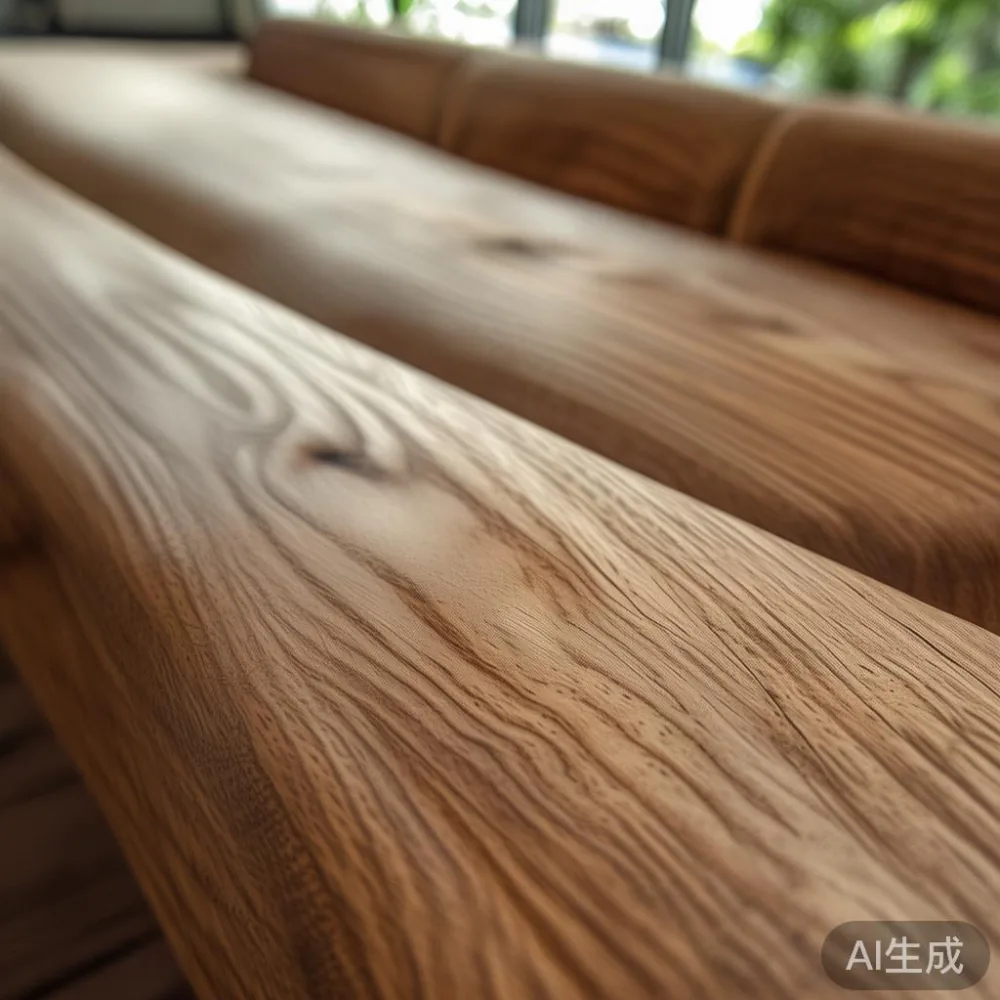
The numbers are unforgiving. Singapore sits one degree north of the equator. Average daytime humidity sits between 70% and 85% year-round, and at 3am it can hit 92% during the monsoon transitions in March and October. Air temperature swings in a non-air-conditioned HDB corridor are small, usually 26°C to 31°C, but humidity swings can be 25 percentage points in twelve hours. Wood is hygroscopic. It absorbs and releases water vapour to match the air around it. When a 200 cm wide solid oak dining table absorbs enough moisture to swell 0.3% across the grain, that is 6 mm of expansion. Over a year, hundreds of those cycles produce cupping, crowning, splits along the grain, and joint failure.
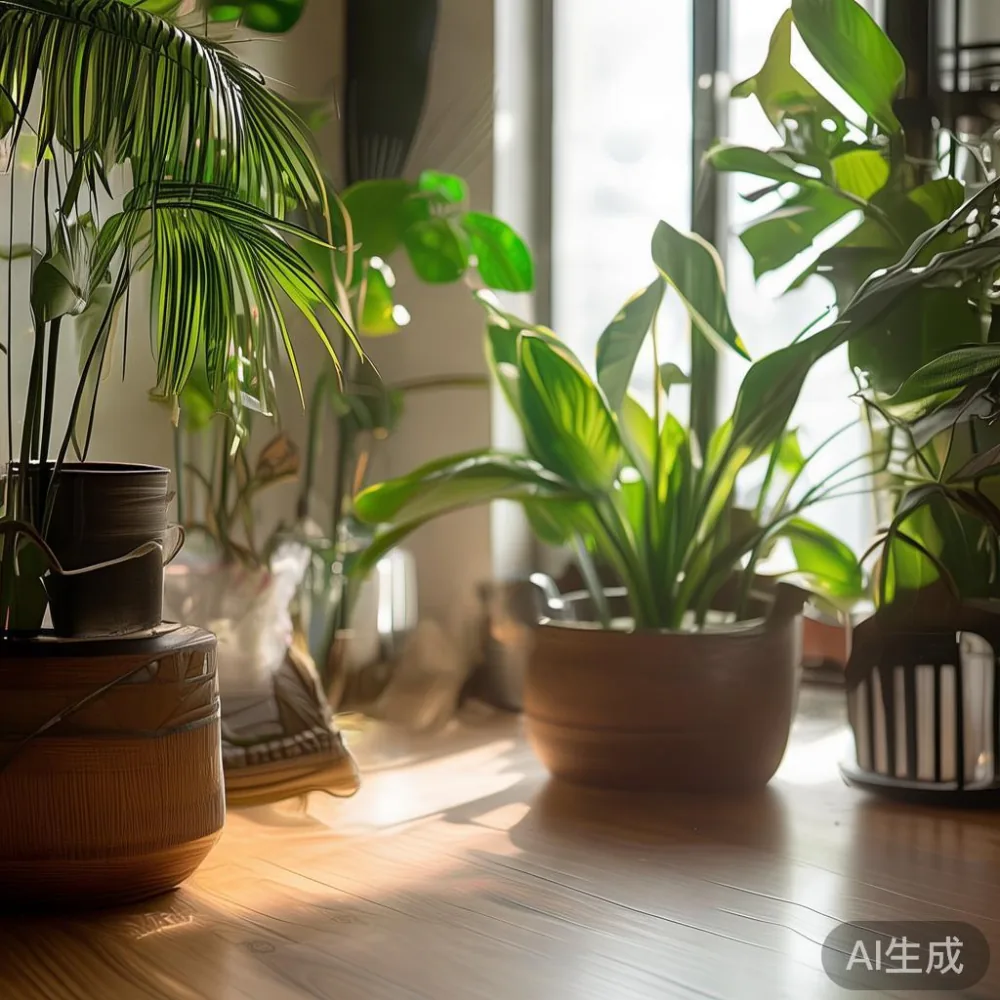
Compare that to Foshan, where many of the pieces sold in Singapore are built. Foshan's average humidity is 65% to 78%, less extreme. A piece built and finished in a 70% RH workshop, then shipped in a 20-foot container (volume ~33 m³, internal height 2.39 m) across the South China Sea, can experience a 15 to 20 percentage point humidity jump in the first week inside an HDB. That is why a bed frame delivered flat-packed to a Bedok condo can arrive with slightly tightened joints, and why the same frame, six weeks later, feels perfect. The wood has equalised.
Is Your Solid Wood Sofa Actually Going to Crack, Warp, or Just Look Fine?
It depends on three things: the species, the construction, and your room. Let me put numbers on each.
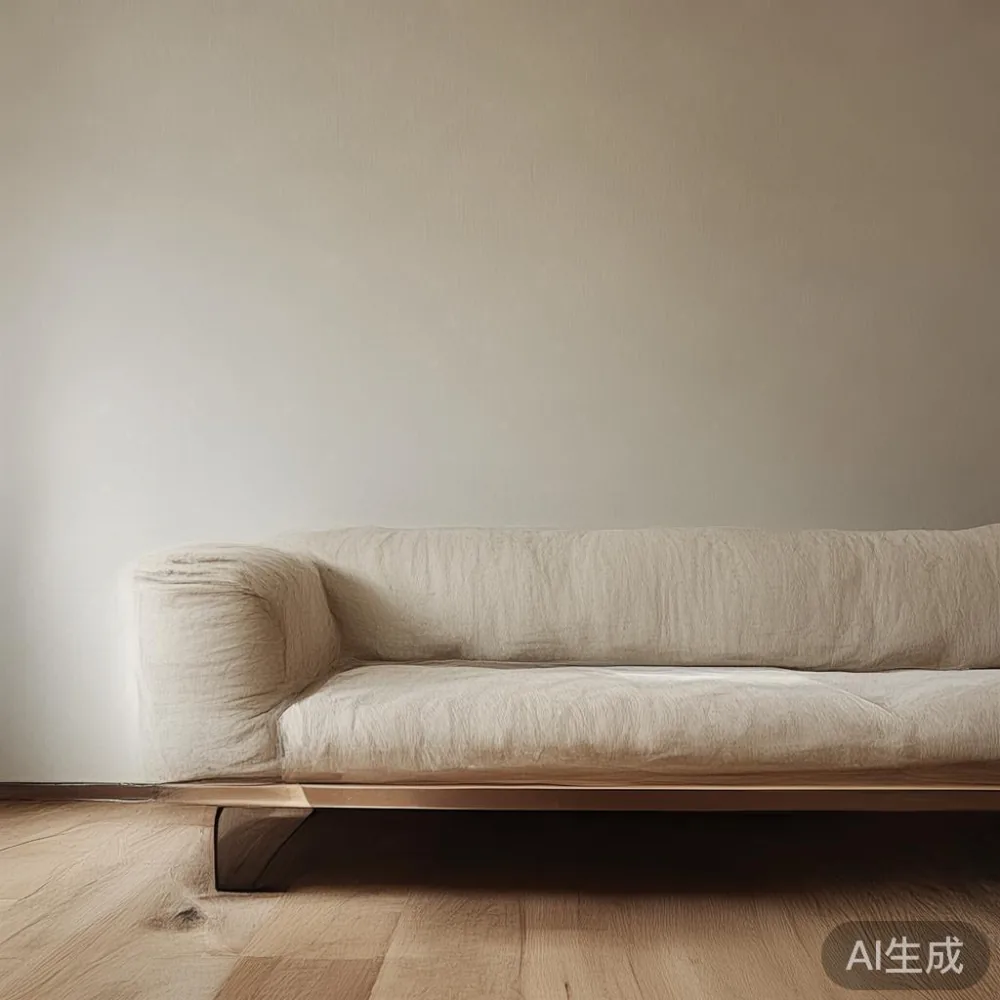
Species: ash, beech, and rubberwood move more than teak, walnut, or white oak. A 180 cm ash care sofa panel can cup 4 mm to 6 mm under a 30-point humidity swing; the same panel in Burmese teak will cup 1 mm to 2 mm. If you already own an ash or beech piece and you see 2 mm to 3 mm of cupping in the dry season, that is normal movement, not a defect.
Construction: kiln-dried solid wood is dried to 8% to 12% moisture content before machining. MIDHILL, for example, kiln-dries its oak and ash to 10% MC and lets frames rest 14 to 21 days before assembly. Cheaper pieces skip the resting period, which is why you sometimes see a bed frame delivered to a Punggol HDB where one side is 2 mm higher than the other. It wasn't defective at the factory; it was assembled while still stressed. Look for manufacturers who publish their kiln-drying numbers. Anything below 8% MC is too dry for Singapore and will absorb moisture aggressively on arrival.
Room: if your living room runs the air-conditioner at 24°C with a dehumidifier set to 55% RH for eight hours overnight, and then you switch off both and open the balcony door for natural ventilation during the day, the wood sees two climates daily. Softer species cope; cheap engineered cores do not. A solid wood sofa with a kiln-dried frame and traditional mortise-and-tenon joinery will ride out those swings for 15 to 20 years. A solid wood sofa with dowel-and-glue construction and MDF panels in the back will fail in 3 to 5.
What Humidity Actually Does, Step by Step, to the Pieces in Your Home
Let me walk through a typical day in a Tampines 5-room flat, 105 m², with a French light luxury styled living-dining area: a 240 cm solid walnut dining table, a 220 cm care sofa in oat-coloured boucle, a 180 cm bed frame in white oak, and a 120 cm marble table as the centrepiece.
5am to 7am: humidity rises from 78% to 89%. The marble table is unaffected, marble doesn't move. The walnut dining table absorbs moisture through its end-grain where it is most exposed. Over a year, that end-grain swelling can push the breadboard ends out 1 mm to 2 mm. You notice it as a slightly uneven table edge. A humidifier isn't needed; what is needed is a steady indoor range.
9am to 6pm: air-con at 24°C, RH drops to 50% to 55%. The wood releases moisture, contracts. The bed frame's side rails shorten by 0.2 mm to 0.4 mm. If the slats are not floating freely in their holders, you hear a creak at 2am. This is also the window where the care sofa's leather (if it is full-grain) loses a trace of surface moisture and tightens. Condition it every four months with a neutral pH leather balm; nothing fancy, an SGD 18 tin from a Tampines hardware shop will do.
7pm to 11pm: balcony door opens, humidity climbs back to 75%. Wood expands again. Over months, the repeated 25-point swing creates fatigue at joints. Mortise-and-tenon joints survive because they have 1 mm to 2 mm of designed play. Pocket-screw joints, common in lower-priced pieces, do not have that play, and they shear off after two to three years of Singapore humidity cycles.
This is why light luxury for apartment buyers in Singapore should always ask how the joints are made, not just how the wood looks. A French light luxury finish with pocket screws will fail in this climate. The same finish with traditional joinery will outlast your lease.
How to Style an American Bed in a Bedroom That Fights the Wood
American light luxury bed frames tend to be heavier, taller, and built around a solid wood headboard with vertical panel slats. They look wonderful in a 16 m² HDB master bedroom, but they need a stable microclimate. When I helped my colleague photograph a MIDHILL showroom last quarter, the styling lead walked me through the same setup she recommends to clients in Bedok and Clementi.
Set the bed at least 12 cm away from the external wall. HDB external walls, especially on higher floors, see surface condensation during the 2am to 5am window when humidity peaks. That condensation sits on the wall, transfers to the back of the headboard, and over months causes black mould at the contact line. A 12 cm gap breaks the thermal bridge.
Run the air-con in dry mode for the first 30 minutes when you switch it on at night. Most modern Mitsubishi and Daikin units have a dry mode that pulls humidity down to around 50% RH without overcooling. That single habit extends the life of a solid wood headboard by years.
Rotate the mattress 180° every three months and vacuum the slats. Slat dust holds moisture against the wood. If you're wondering how to style American bed in bedroom without the wood looking heavy, pair a tall oak headboard with one slim European light luxury accent chair in the corner, a 60 cm round marble table instead of a bulky nightstand, and a single pendant light. The contrast between the substantial bed and the airy chair is what gives American light luxury its weight without making a small room feel crowded.
European Bed vs Nordic Bed: Which Copes Better With Singapore?
Clients ask me this every week. The short answer: both cope well if they are solid wood and properly dried; the difference is in proportions and how they handle the 25-point humidity swings.
European bed designs, particularly French light luxury and Italian post-modern light luxury lines, tend to use walnut, cherry, or beech with low-profile frames, often 25 cm to 30 cm clearance under the side rail, and upholstered headboards. The upholstered headboard protects the wall-side wood from direct humidity exchange, which is a quiet advantage in Singapore. Frame height is usually 110 cm to 125 cm, which fits a standard HDB master bedroom door of 90 cm width once you disassemble the headboard.
Nordic bed designs lean on ash, birch, and pale oak, with lighter frames (often 18 kg to 25 kg for a queen size, vs 32 kg to 38 kg for a comparable European piece), visible wood grain, and slatted headboards. They breathe more, which is lovely in Scandinavia where indoor RH sits at 30% to 45% in winter. In Singapore, that same breathability means the wood takes on and releases moisture faster. Over 10 years, a Nordic ash frame in a non-dehumidified HDB will show more movement than a European walnut frame in the same room.
If you want to weigh European bed vs Nordic bed for Singapore specifically, prioritise the European walnut or teak construction, kiln-dried to 10% to 12%, with traditional joinery. The piece will be 8 kg to 12 kg heavier and SGD 400 to SGD 900 more expensive at retail, but the frame will sit still through the seasons.
Delivery Day in Singapore: Why the Lift Matters
A piece that survives Foshan humidity will only survive Singapore humidity if it arrives in good shape. Most HDB lifts in Tampines, Bedok, and Punggol are 1.1 m wide by 1.4 m deep with a 90 cm door, weight limit 630 kg. Many condominiums are slightly larger, 1.2 m by 1.5 m, 800 kg limit. A solid wood sofa in a crate can weigh 95 kg to 140 kg. A queen-size bed frame can weigh 65 kg to 85 kg. A 240 cm dining table crated is around 90 kg to 110 kg.
Cheaper pieces arrive flat-packed and uncrated, which saves the seller money but means the wood can sit in a wet corridor for ten minutes while the delivery team negotiates a turn. MIDHILL, by contrast, ships in plywood crates with internal foam bracing and moisture-absorbing silica gel packs (200 g per crate), and the team measures your lift, corridor width, and staircase turn before dispatch. I've watched them refuse a delivery once in a Toa Payoh HDB because the corridor turn was 1.05 m and the crated sofa needed 1.15 m. They returned the next day with the headboard detached. That kind of refusal protects your piece.
GST: every piece imported into Singapore above SGD 400 in declared value attracts 9% GST, calculated on the CIF value (cost + insurance + freight). A care sofa declared at USD 10,500 (around SGD 14,200) adds SGD 1,278 in GST. Reputable suppliers include this in the landed quote so the number you see is the number you pay. Watch for sellers who quote ex-works and surprise you at the door.
Reading the Room: Five Maintenance Habits That Save Your Furniture
Habit one: buy a hygrometer. A basic digital unit costs SGD 15 to SGD 25. Place one in the living room and one in the bedroom. Check them at 7am, when humidity peaks. If the bedroom regularly hits 80% to 85% RH, run a small dehumidifier (SGD 180 to SGD 280 for a 12 L/day unit) for four hours overnight. That single habit will keep a solid wood wardrobe from developing that musty closet smell and will stop the care sofa's leather from stretching at the seams.
Habit two: keep furniture 8 cm to 12 cm away from external walls and out of direct afternoon sun. A west-facing window in a Jurong condo can push the surface temperature of a walnut dining table to 42°C by 4pm, then drop to 27°C by 9pm. That 15°C swing across the wood surface dries one side faster than the other and produces a bow. Sheer curtains, SGD 60 per panel from the Tampines Hub, solve it.
Habit three: rotate and flip where possible. Beds get flipped 180° every six months, not the mattress. The slats and side rails bear different loads over time. A care sofa's seat cushions get rotated and flipped monthly. A dining table's centre leaf gets moved to the end position quarterly so the same panel isn't always bearing the brunt of the humidity gradient.
Habit four: refinish before the damage shows. MIDHILL offers lifetime refinishing on its solid wood pieces. A satin lacquer top-up in year five costs around SGD 280 to SGD 420 per piece and adds another 8 to 12 years of service life. Waiting until year ten usually means the wood has greyed or hairline-cracked, and refinishing costs more or becomes impossible.
Habit five: keep silica gel or a rechargeable dehumidifier cup inside wardrobes and closed cabinets. A 500 g silica canister, SGD 12, dried in the oven monthly, keeps the inside of a 220 cm wardrobe at 60% to 65% RH even when the room is at 80%. This is the single most effective protection for the inside back panel, which is the part most likely to blacken with mould.
What About Engineered Wood, Veneers, and the Cheaper Care Sofa Options?
Engineered wood, MDF, plywood with a wood veneer: these are not bad materials. They are, however, less forgiving in Singapore. MDF swells irreversibly when wet, and "wet" in Singapore means anything above 75% RH for prolonged periods. A care sofa with a plywood frame and a 0.6 mm walnut veneer can look identical to a solid wood piece at the showroom and cost SGD 800 to SGD 1,400 less. It will, however, delaminate at the corners in 4 to 6 years in a non-air-conditioned home. If you want the look but not the maintenance, choose a solid wood frame with a veneered panel in non-structural areas (back panels, drawer bottoms). The visible structure is solid, the hidden panels are stable.
For pieces that don't bear structural load, like a European light luxury accent chair or a MIDHILL TV console, engineered wood with a quality veneer is perfectly acceptable. The TV console isn't holding your weight; it's holding a 15 kg television and a few remotes. The chair isn't load-bearing your sleep. Reserve your solid wood budget for the care sofa, bed frame, dining table, and wardrobe, and spend the savings on better textiles and leather.
Buying Industrial Furniture for Sale Without Buying a Headache
Industrial furniture for sale in Singapore often means reclaimed teak, iron-framed pieces, or pieces styled with raw steel and distressed wood. In this climate, reclaimed teak is excellent; old teak is dense, oily, and dimensionally stable. Iron frames, however, sweat in humidity. A black steel base on a care sofa in a Jurong condo at 85% RH will bead water on the underside by 6am, and that water drips onto your tiles or, worse, into the wood frame connection. Look for powder-coated steel frames (the coating blocks the moisture bridge) or solid wood frames with no metal contact at the floor.
If you're browsing industrial furniture for sale online, ask for the kiln-drying date, the MC reading at crating, and the finish type. Oil finishes are finished one season, lacquer another. Lacquer is a moisture barrier and lasts 8 to 12 years in Singapore before needing a refresh. Oil finishes breathe, look more natural, but need re-oiling every 9 to 14 months. Choose the finish to match your maintenance appetite, not just the colour.
The 14-Day Window: What to Inspect and What to Refuse
Every reputable Singapore seller offers a 14-day return window. Use it. In the first 14 days, the wood is still equalising to your home. Look at the underside of tables and inside wardrobe panels with a torch. Hairline checks under 0.5 mm wide are normal. Cracks wider than 1 mm that run with the grain, or any panel that is cupped more than 3 mm at the edges, are not normal. Photograph them with a coin for scale. Email within the 14-day window. MIDHILL's 10-year structural warranty covers manufacturing defects; their lifetime refinishing service handles cosmetic wear; their 14-day return covers the rest. Read the warranty document before the delivery team leaves, not after.
Free shipping thresholds matter too. MIDHILL, for example, offers free shipping over US$350 (around SGD 480) to the same peninsula in Singapore, which covers most solid wood pieces once the GST is included. Below that threshold, delivery is typically SGD 80 to SGD 180 depending on the floor and the corridor turn. For a 240 cm dining table going to a 12th-floor HDB in Bedok with a tight turn, expect SGD 160 to SGD 220 if it isn't on a qualifying order.
A Short Checklist Before You Click Buy
Before you finalise any solid wood order in Singapore, run this 60-second checklist. Confirm the kiln-dried moisture content is 10% to 12%. Confirm traditional joinery at the structural corners. Confirm the lift and corridor measurements have been taken by the seller, not by you alone. Confirm the GST line is on the quote. Confirm the 14-day return window. Confirm the finish type (lacquer for low maintenance, oil for natural feel). And confirm that the piece has been built for a humid climate, not a four-season temperate one.
A care sofa, bed frame, dining table, wardrobe, and nightstand are not small financial decisions. In Singapore's humidity, they're also not small maintenance decisions. Choose pieces built for this climate, kiln-dried properly, joined traditionally, finished appropriately, and delivered by a team that has measured your lift. You'll then have a home that feels calm, weighted, and quiet through every monsoon transition for the next 15 to 20 years.