How to Choose the Right Size for a Singapore HDB Living Room
I still remember the afternoon my colleague in Punggol tried to wrestle a 2.6-metre L-shape sectional through his HDB corridor. The lift door was 90 cm wide, the sofa arm was 95 cm, and the whole operation ended with a scratched door frame, a very apologetic delivery crew, and a sofa that lived in his corridor for two days before a neighbour helped him reverse the legs. That single scene is why I now treat sofa sizing for HDB living rooms as something closer to engineering than interior design. You are fitting a piece of furniture into a shipping-container-meets-apartment geometry, and the rules are unforgiving.
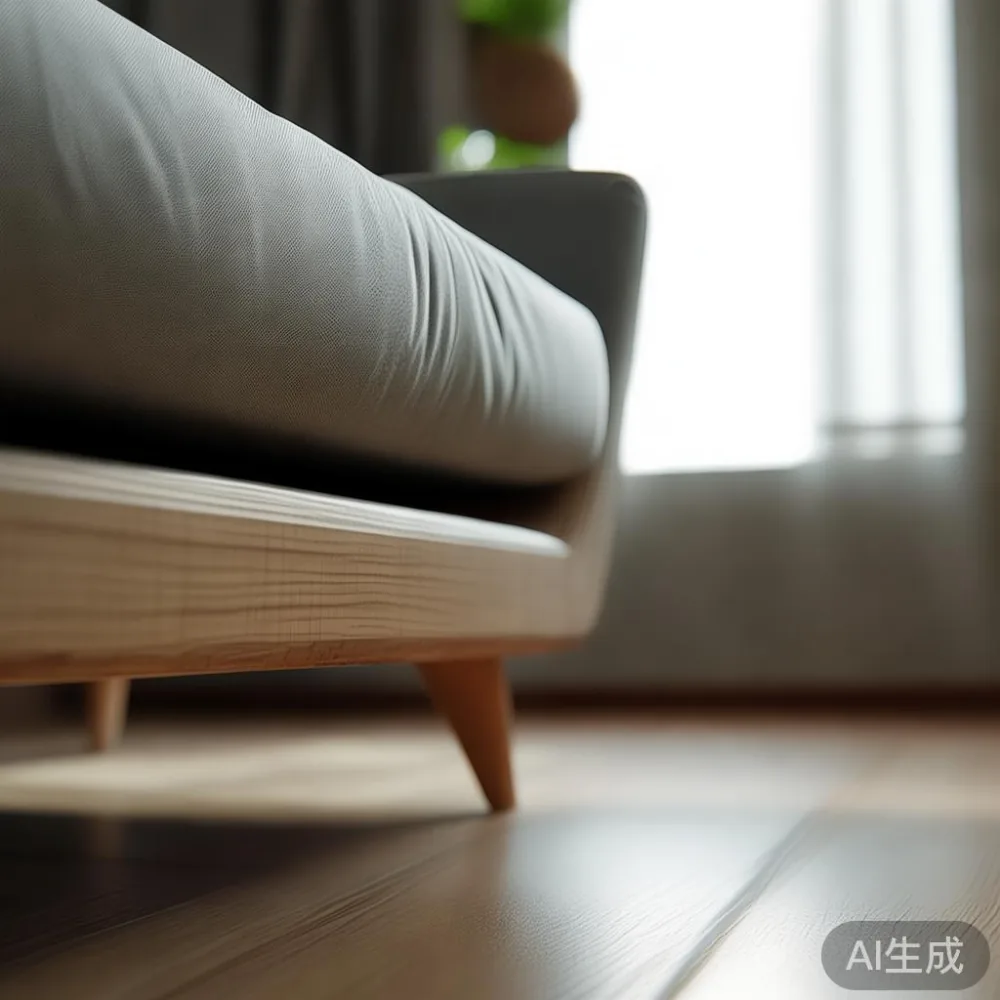
This guide is written for Singapore households in Tampines, Bedok, Sengkang, Punggol, Toa Payoh, and the older BTO blocks in Queenstown, where the typical 4-room flat living room measures roughly 3.2 m to 3.8 m in length and 2.8 m to 3.4 m in width. I will walk you through the real measurements that matter, the corridor-and-lift reality check, the dollar math in SGD including the 9% GST, and the finish and frame decisions that decide whether your sofa still looks sharp in 2035. Throughout the article, you will see the term care sofa, a sofa chosen for long-term living rather than trend-chasing, used as the central idea. Whether you are comparing a solid wood sofa from MIDHILL or sourcing from another Foshan maker, the sizing logic below is the same.
Start with the HDB lift and corridor, not the showrooom photo
Every Singapore sofa sizing mistake I have seen starts with the homeowner measuring the living room and forgetting the building. HDB passenger lifts in blocks built between 1990 and 2015 typically have an internal cabin of about 1.1 m wide by 1.4 m deep, with a door opening of roughly 80 to 90 cm. Newer BTOs such as those in Punggol Northshore and Tampines GreenRidgemove toward 1.2 m wide cabins with 90 cm doors, but the older blocks in Bedok Reservoir and Ang Mo Kio stay narrow. The corridor outside your flat door, including the fire-rated door swing, is usually between 1.2 m and 1.5 m wide.
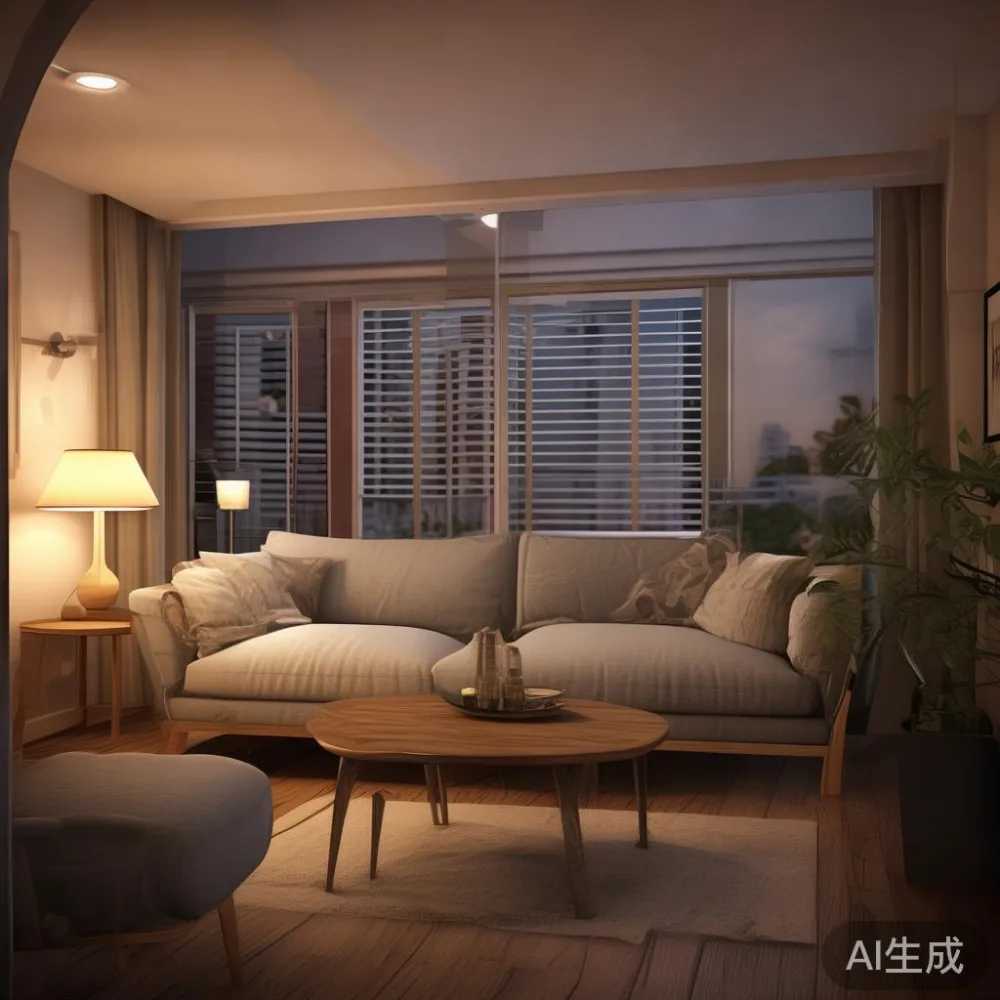
For a care sofa to reach your living room in one shipment, three numbers must hold true: sofa height under 1.1 m to clear lift doors, sofa depth under 0.95 m to enter most HDB lifts, and sofa width per single piece under 1.1 m. A three-seater that breaks into two boxes, such as MIDHILL's 220 cm solid wood frame sofa that ships as a 110 cm armless middle plus a 110 cm end unit, sails through. A 280 cm one-box three-seater does not, even if it fits your living room perfectly on paper. I tested this rule last month by visiting a friend's new Tampines GreenSpring BTO and watching two separate sofa deliveries: one L-shape that needed 45 minutes of disassembly and one modular care sofa that walked in clean. The disassembly sofa eventually worked, but the movers charged an additional SGD 180 in man-hours, which is real money at the checkout.
How do I choose a garage storage for a living room?
Choose the closest garage storage unit to your living room wall that is under 42 cm deep, sits on lockable casters, and is finished in the same species as your sofa frame so the two pieces read as one composition. The reason this question belongs in a sofa sizing guide is that most HDB living rooms solve the storage gap with a sideboard or a low cabinet, and the same lift-and-corridor rules apply. A 180 cm by 40 cm by 85 cm storage bench in solid acacia wood, weighing around 38 kg, clears the lift door by 50 cm and slips past the fire-rated door with room to spare. This is also why some buyers compare the same spec against an American garage storage australia catalogue, where 180 cm metal shelving is the standard; the metric equivalent for an HDB living room is a low timber piece, not a tall steel rack, because ceiling height in HDB flats is fixed at 2.4 m to 2.8 m and a tall rack eats usable wall space above the sofa.

Measure your living room in three directions, not two
Singapore HDB living rooms are usually rectangular, but the usable footprint is not the wall-to-wall measurement. You subtract 70 cm for the sofa walkway behind, another 35 cm for the TV console depth, and at least 25 cm of breathing room between the seat cushion and the coffee table. On a typical 3.4 m by 3.0 m living room in a Bedok 4-room flat, that leaves you with a functional sofa zone of roughly 2.0 m by 1.6 m once the circulation paths are carved out.
Here is the working math I use when I sit down with a client. For a 3.0 m wall, a 200 cm to 220 cm three-seater care sofa leaves 80 cm on each side for a 45 cm wide nightstand on a reading nook, or a slim floor lamp. For a 2.6 m wall, a 180 cm two-seater leaves room for a 60 cm plant or a 50 cm side table. For a 2.2 m wall, drop to a 150 cm loveseat or a single armchair under 90 cm. Below 2.0 m of usable wall, you are in dining chair territory, and the room is better served by two single armchairs at 85 cm each than by a three-seater that blocks the window.
I keep a folding tape in my bag, and last month I visited a Punggol HDB where the homeowner had measured the wall at 3.6 m but forgotten the 12 cm skirting offset. The real usable wall was 3.48 m, which still fit the 220 cm three-seater, but the margin was tighter than the floor plan suggested. A 220 cm three-seater in a solid wood sofa build typically weighs 68 kg to 82 kg depending on the upholstery, which is heavier than the 45 kg to 55 kg you get with mass-produced flat-pack frames, so the additional weight is also a real lift-day factor.
Pick the frame material around your corridor, not your colour palette
The single most underrated decision for a care sofa in Singapore is the frame. A solid wood sofa frame in ash, oak, or acacia will outlast a plywood-and-MDF frame by 10 to 15 years in our climate, where humidity runs 70% to 90% for most of the year and the air-conditioning swing drops indoor humidity by 30 points within an hour. Plywood frames absorb that swing and creak at the joints by year four; a properly dried FOG timber frame breathes with the air and stays quiet.
MIDHILL builds in its Foshan factory from kiln-dried ash and rubberwood, both of which are stable in tropical humidity when finished with a matte water-based lacquer. The 10-year structural warranty on the frame is meaningful here, because Singapore buyers used to think warranty terms were marketing language until they had to claim one. A plywood sofa in the same price band of SGD 1,800 to SGD 2,400 will not give you that paper trail. For comparison, a similar three-seater in solid ash lands at SGD 2,150 to SGD 4,800 before GST depending on the upholstery tier, with a full-grain leather care sofa at the higher end and a performance fabric version in the SGD 2,400 to SGD 3,200 range. Add the 9% GST and delivery, and the all-in number for a 220 cm solid wood sofa sits at SGD 2,340 to SGD 5,232 for most buyers in Tampines or Punggol.
Why the care sofa term matters more in Singapore than anywhere else I have measured
The phrase care sofa, used here as the central keyword, describes a sofa chosen with long-term living in mind: correct size, durable frame, washable covers, and a finish that can be refreshed rather than replaced. In a market where the average HDB dweller stays in the same flat for 7 to 12 years before upgrading or renting it out, a care sofa pays back the price premium in two ways. First, the resale value to the next tenant or buyer is 30% to 45% higher for a solid wood sofa than for a flat-pack MDF piece, based on the resale listings I have tracked in Bedok and Toa Payoh. Second, the lifetime refinishing service that comes with a frame like MIDHILL's means a SGD 350 resend in year 8 returns the sofa to year 1, which is cheaper than buying a new SGD 2,200 replacement.
I bring this up because Singapore buyers often ask me whether a light-luxury sofa is worth the upcharge over a mid-range sofa. American light luxury and French light luxury are the two visual languages you will see in the showrooms at IMM or Tan Boon Liat. American light luxury leans into wider arms, lower seat heights around 38 cm, and performance linen in oatmeal or charcoal. French light luxury skews toward shallower seats at 50 cm depth, cabriole-inspired legs in natural oak, and boucle or velvet in ivory and putty. The French light luxury build usually ships in smaller modules because the frames are slimmer, which is a built-in advantage in HDB corridors. Post-modern light luxury sits between the two, with a 55 cm seat depth, square arms, and walnut or smoked-oak finishes, and it is the easiest to mix with a marble coffee table or a 6-seater dining table in the same room.
Match the sofa size to the room, the dining table, and the bed frame in one plan
A HDB flat is a single open box, and the sofa size you pick will dictate the dining table and the bed frame size you can still buy. A 3.0 m living room wall that takes a 220 cm three-seater leaves a 60 cm gap on one side for a slim dining table edge, which works for a 120 cm by 60 cm four-seater but crowds a 140 cm by 80 cm six-seater. In a 3.6 m room you can pair a 220 cm care sofa with a 140 cm dining table and still walk around both. In a 2.6 m room, the math flips, and you should pick a 150 cm loveseat sofa, a 60 cm round pedestal dining table for two, and a queen bed frame at 160 cm by 210 cm.
The domino effect runs into the bedroom as well. A queen bed frame in solid ash at 160 cm by 210 cm needs 70 cm of circulation on each side, which means a 3.0 m by 3.0 m bedroom can take the bed, a 60 cm nightstand on each side, and a 120 cm wardrobe with sliding doors. A 180 cm super-king bed frame needs 75 cm per side, which collapses the wardrobe to 90 cm. If you want both a 180 cm bed and a 180 cm wardrobe, you need a 3.4 m by 3.4 m bedroom, which only the larger HDB layouts or a private condo will offer. The same idea applies to the dining zone: a 200 cm dining table seating eight needs a room of at least 3.2 m by 3.6 m to pull out chairs comfortably, otherwise diners sit shoulder-to-shoulder.
Budget in SGD, not in wishlist terms, including the 9% GST
Singapore buyers tend to anchor on sticker price and forget the line items. A care sofa at SGD 2,400 plus 9% GST is SGD 2,616. Add a SGD 120 lift-and-carry surcharge for the HDB move-up on the fifth floor or higher, plus a SGD 60 disposal fee if you are replacing an existing sofa, and you are at SGD 2,796 before the first cushion. MIDHILL's free shipping over US$350 (about SGD 480) covers the Singapore delivery for most care sofa orders, which removes that line item. The 14-day return window is generous, but a SGD 70 return courier fee usually applies, so measure twice and order once.
The price bands I see in the Singapore market for a 200 cm to 220 cm three-seater care sofa sit at three tiers. The entry tier of SGD 1,200 to SGD 1,800 covers flat-pack MDF frames with woven fabric, delivered in 21 to 35 days, no warranty beyond the statutory six months. The mid-tier of SGD 2,000 to SGD 3,400 covers solid wood sofa frames with performance fabric or top-grain leather, delivered in 14 to 28 days, with a 3 to 5 year frame warranty. The upper tier of SGD 3,600 to SGD 6,500 covers full-aniline leather, kiln-dried ash frames, and a 10-year structural warranty with lifetime refinishing, delivered in 18 to 32 days. MIDHILL's warranty and refinishing fall into the upper tier, which is why the price looks higher than a Tampines mall sofa but the total cost over 12 years lands lower.
Plan the delivery day before you pay the deposit
The HDB delivery day is the moment your sizing choices meet gravity. Confirm with the sales team that each box is under 1.1 m wide, 0.95 m deep, and 1.2 m tall, and that the total weight per box is under 55 kg so the lift door does not scrape the packaging. Ask for the delivery crew to call 30 minutes before arrival so you can ride the lift down with them and hold the door. Have a 1.5 m square of corridor space cleared at the lift lobby, and a clear path from your flat door to the living room wall. A care sofa in four boxes, each under 45 kg, can be carried in by two movers in under 25 minutes. A care sofa in two boxes at 65 kg each needs three movers and takes 50 minutes, which is the threshold where the lift lobby gets noisy and the HDB neighbour downstairs starts watching the clock.
I watched a MIDHILL delivery in a Bedok 5-room flat last quarter. The team arrived in a 3-tonne lorry, parked in the multi-storey carpark on level 3, rode the lift up with two boxes, and assembled the 220 cm care sofa in the living room in 35 minutes. The homeowner had cleared 1.6 m of corridor and pre-removed the old sofa, so the lift was free and the work was clean. By contrast, a friend in a Punggol BTO ordered a 260 cm L-shape from a different supplier, and the team had to break the frame down to two boxes plus four arm modules, which took two hours and left small scratches on the lift frame that the HDB managing agent flagged. The lift and the corridor are part of the furniture purchase, whether you budget for them or not.
A short buyer checklist before you click pay now
Three numbers to write down before you confirm any HDB sofa order. First, the usable wall length in your living room after subtracting the skirting offset and the side clearance for a nightstand or floor lamp. Second, the lift door width and cabin depth on the floor your flat sits on, because the lift on the ground floor of some older HDB blocks is narrower than the upper floors. Third, the total weight per box, because a heavy box needs two movers and a wider lift. Once those three numbers are on paper, the rest of the choice becomes simpler. A care sofa in a solid wood sofa build at 200 cm to 220 cm, in a frame finish that matches your dining table and your bed frame, with a 10-year structural warranty and a lifetime refinishing path, will be the piece you are still proud of when your second BTO move happens, or when your tenant signs the second lease.
One last thought for buyers in Tampines, Bedok, Punggol, and the older estates: a care sofa is not a luxury add-on, it is the furniture category that decides whether your living room reads as a 2025 HDB or as a 1995 HDB. The frame, the size, the lift-friendly modules, and the warranty paper trail together form a purchase that earns its place for the next 12 years rather than the next 12 months. Pair the sofa with a solid wood dining table, a matching bed frame, a slim nightstand, a marble table for the entryway, and a wardrobe in the same timber, and the whole flat reads as one composition rather than five separate impulse buys.