Small Apartment Styling in Singapore: How to Make a 55 sqm HDB Feel Twice the Size (Without Buying a Care Sofa That Swallows the Room)
I spent last month helping a colleague re-stage her three-room HDB in Tampines before her lease renewal photoshoot. The unit was 65 sqm, the lift in her block was narrow enough that we had to angle a 2.1-metre solid wood bed frame sideways just to clear the doors, and the corridor on the 11th floor was exactly 1.2 metres wide — which is exactly the width a flat-pack sofa box needs to stand on end. We learned more about small-space styling in that one afternoon than I had from reading six months of magazines. The biggest lesson: in a Singapore flat, every centimetre is rent money, and the wrong care sofa will eat your living room alive.
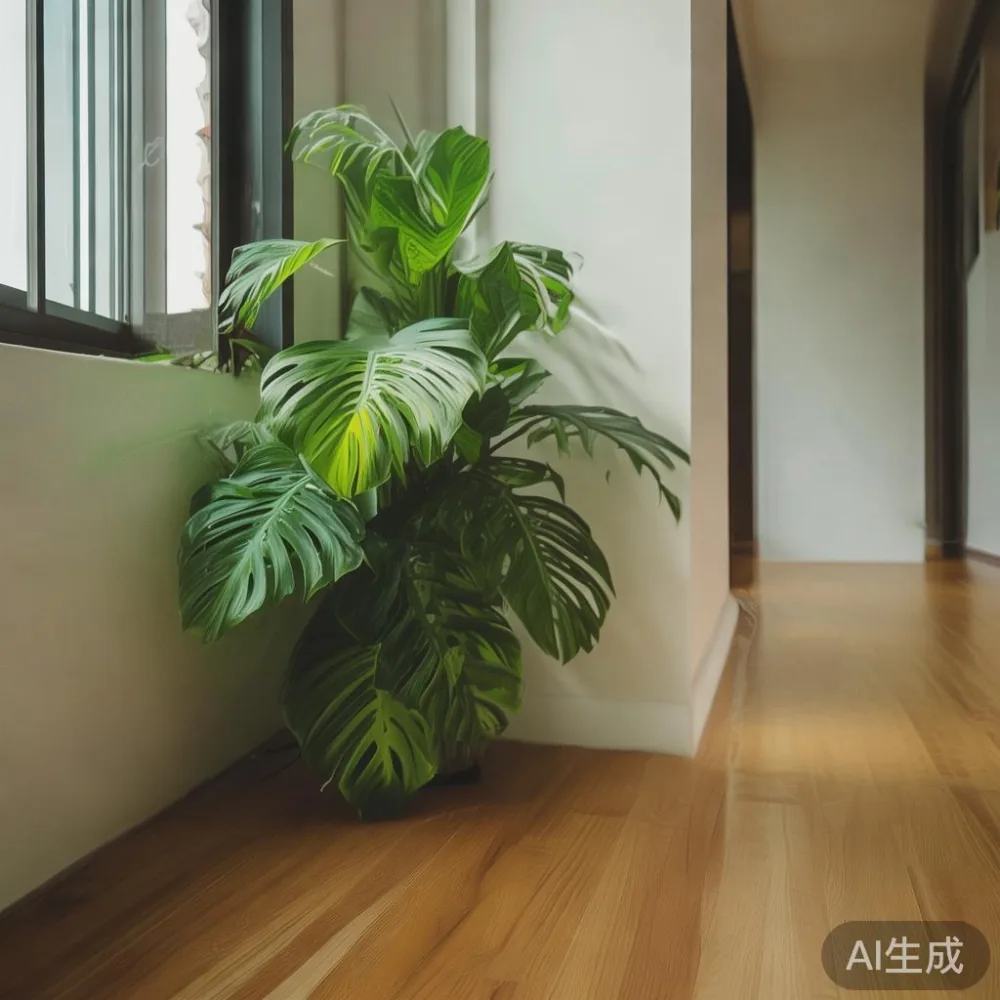
This guide is for anyone living in a compact HDB or shoebox condo who wants the room to feel curated, not cluttered. I will cover the 200-cm rule for sofas, why a French light luxury aesthetic works better than minimalism in compact spaces, how to budget in SGD including the 9% GST, and how to get bulky items like a marble dining table or six-seater wardrobe up a Bedok corridor without a hernia. I will also flag where it pays to spend (a solid wood care sofa from a maker like MIDHILL, which has shipped to 15+ countries since 2008 and offers a 10-year structural warranty plus lifetime refinishing) and where it absolutely does not.
What is the single biggest mistake people make when styling a small HDB flat?
The biggest mistake is buying furniture at the wrong scale, then trying to disguise it with cushions and throws. A 280-cm three-seater sofa in a 3.2-metre-wide living room leaves you 40 cm of walking space on each side, which is the exact width of a TP roll. I measured. The fix is to pick a care sofa with a footprint that respects the 200-cm rule: the seat length should be no more than 65% of the wall it sits against. In a typical Tampines four-room HDB living wall of 320 cm, that means a 208 cm care sofa, not a 240 cm one. The 30 cm difference is the difference between a room you can walk through and a room you can only sidestep.
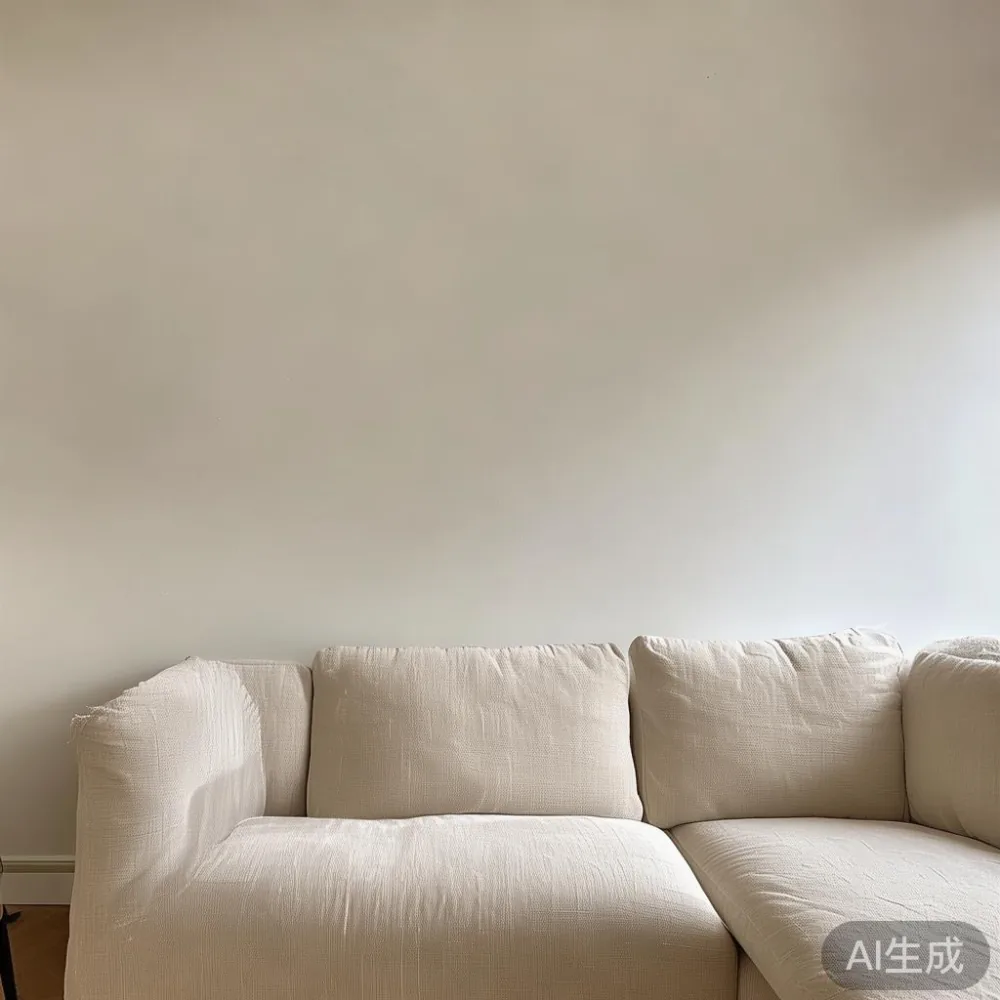
How do I choose a care sofa that won't make my 55 sqm flat feel crowded?
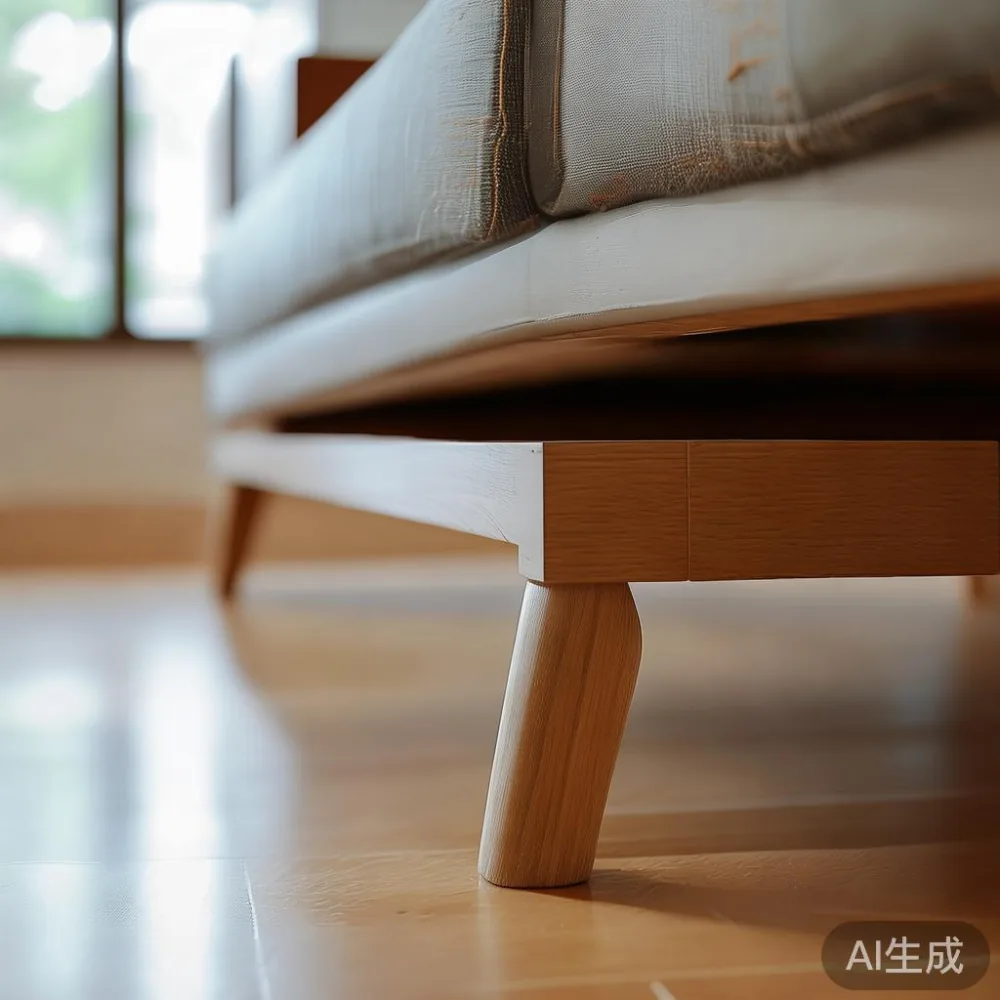
Pick a care sofa that is light visually but solid physically — a low-arm, mid-back silhouette in a performance fabric around 200–215 cm wide, with legs at least 12 cm off the floor so light passes underneath. This single trick makes a 4-metre HDB wall read as taller and the room reads as 15–20% bigger. Last month, my colleague swapped her 250-cm L-shape for a 205-cm three-seater care sofa with 15-cm tapered ash legs and gained 45 cm of usable floor in front of the TV console. We put a 120-cm round marble side table in the corner instead of the 150-cm rectangular one, and suddenly the room could host four people for dinner without anyone having to stand up to let someone out.
Pay attention to the back height. A care sofa with a back above 95 cm will block a window or a wall-mounted fan in most HDB layouts. Aim for 82–88 cm back height with a 45-cm seat depth. The seat should be firm enough that you sit at 90 degrees — a soft, slouchy care sofa looks romantic in a showroom but in a 55 sqm flat it visually collapses into a beanbag and makes the whole room feel like a dorm.
Is a French light luxury look cheaper or more expensive than minimalist Scandi for a small space?
French light luxury and Scandinavian minimalism sit at opposite ends of the small-space spectrum, and your budget will behave differently in each. Scandi (think MUJI, IKEA) runs about SGD 800–2,200 for a two-seater sofa in Singapore, while a French light luxury care sofa in boucle or chenille with brass-tipped legs runs SGD 2,800–5,200 from local ateliers and cross-border makers. The reason French light luxury works better in compact Singapore flats is that the curves, the tapered legs, and the subtle gold hardware create visual movement that distracts from the square footage, whereas minimalism's straight lines and pale tones make every wall and corner feel like a hospital corridor. You can do Scandi in a condo; you can do French light luxury in an HDB. You cannot really do industrial or heavy American rustic in either.
A friend in Punggol went American light luxury last year — a caramel leather care sofa, an oak dining table, and a chunky walnut nightstand — and the total damage before GST was SGD 4,800. The look reads warm and grounded, but only because her unit is a 78 sqm four-roomer with a 3.6-metre living wall. In a 50 sqm two-bedder in Bedok, that same palette would feel like a cowboy moved in.
What furniture should I buy first, and what can wait?
Buy in this order, with the GST-inclusive prices I have seen quoted in Singapore showrooms over the past six months:
1. Care sofa (SGD 2,400–4,500) — the anchor. Everything else gets measured against it. Free shipping over US$350 from a Foshan-based maker like MIDHILL keeps a solid wood care sofa landed in Singapore at around SGD 2,800 after freight and GST, which is roughly 35% less than a comparable European brand at the Singapore Furniture Fair.
2. Bed frame (SGD 1,100–2,800) — solid wood, 150 × 200 cm queen or 180 × 200 cm king depending on the master bedroom wall. In a 3.2 × 3.6 m master (very typical HDB), a queen is the right call. A king leaves 70 cm on each side; a queen leaves 110 cm, which fits a 50-cm-wide nightstand and still allows you to make the bed.
3. Dining table (SGD 1,200–3,000) — for two to four people in a small flat, an extendable 120–160 cm solid wood dining table with a marble-look sintered stone top is the smartest buy. For four in a daily-use setting, a 140 cm round marble table seats four adults comfortably with no corners to bump into. Avoid rectangular tables over 180 cm unless your dining wall is at least 3 metres.
4. Wardrobe (SGD 1,800–4,500) — three-door sliding if the bedroom wall is under 2.4 m, two-door hinged if you have the swing clearance. A 240 × 60 × 220 cm three-door solid wood wardrobe holds roughly 280 hanging items, which is more than enough for two people living in a 55 sqm HDB.
5. Nightstand (SGD 280–650 each) — buy two matching ones at the same time. Mismatched nightstands are a classic small-space trap: they make the bedroom look like a garage sale.
Skip: TV console longer than 150 cm, ottoman bigger than 80 × 80 cm, any wardrobe over 240 cm wide in a standard HDB room.
How do I get a solid wood bed frame or wardrobe up a Singapore HDB lift and corridor?
This is the question nobody asks online and everybody asks on moving day. The standard HDB passenger lift in a block built after 2000 measures 1.2 m wide × 1.5 m deep × 2.3 m tall, with a 630 kg load limit. A flat-pack 180 × 200 cm solid wood bed frame arrives in a box roughly 190 × 30 × 25 cm and weighs 38–45 kg — easy. A six-door wardrobe at 240 × 60 × 220 cm is the opposite: it usually ships in two 220 × 35 × 18 cm cartons at 55 kg each, which clears the lift diagonally but will not turn a 90-degree corridor corner if the corridor is under 1.5 m. Most HDB corridors built in the 1990s are 1.2 m, which means the carton must be stood on its short end and tilted.
When my colleague's wardrobe arrived from a Foshan factory, the delivery team spent 40 minutes measuring the lift, the 11th-floor corridor, and the bedroom doorway before they even cut the carton straps. The corridor outside her unit had a fire-hose cabinet that ate 15 cm of width, so the team had to remove the cabinet door (with the neighbour's permission) to get the 60-cm-deep wardrobe past. This is normal. Build 30 minutes of buffer into your delivery day, and never book a wardrobe delivery for a Sunday when the lift is busiest between 11 am and 1 pm.
For stair access (older walk-ups in Joo Chiat, some pockets of Geylang), a six-door wardrobe will not fit. Period. Measure the stairwell first.
Can I mix a marble dining table with a solid wood care sofa in a small flat?
Yes, and you probably should. Marble and solid wood are the two materials that read as "expensive" under flat HDB lighting without trying too hard. The trick is proportion: a 120 cm round marble table seats four and weighs about 35 kg, which is light enough to move for cleaning but heavy enough to anchor the dining zone. Pair it with a care sofa in a warm oak or walnut solid wood frame, then add a 100 × 30 cm marble console behind the sofa, and you have three zones (living, dining, entry) in a 55 sqm flat without a single wall being moved.
Post-modern light luxury is the style this look sits under: it is the 2020s update on French light luxury that swaps gilt for brushed brass, curves for soft chamfers, and white marble for grey veined stone. It is the most forgiving look in compact Singapore flats because it tolerates the clutter of daily life — laptop on the dining table, school bag on the care sofa, mail on the console — without losing its composure.
How much should I budget for a small-apartment furniture refresh in Singapore?
For a 55 sqm two-bedder HDB in 2026, a realistic total for care sofa, bed frame, dining table, wardrobe, two nightstands, and a marble console — all solid wood or genuine marble tops, all delivered and assembled — sits between SGD 9,800 and SGD 16,500 before GST. Add 9% GST on top, plus delivery (SGD 120–280 per item for HDB, depending on floor and access), and you land at SGD 11,500–19,800. That is a wide range because the care sofa alone can be SGD 2,400 or SGD 5,200.
If you are cross-shopping between local boutiques and direct-from-Foshan makers, do the maths on freight and warranty before you chase the headline price. A care sofa shipped from a Foshan maker with 10-year structural warranty and lifetime refinishing — the kind of cover MIDHILL has shipped under since 2008 — usually works out 25–40% cheaper than a Singapore showroom equivalent once you add the 9% GST and the 14-day return window. The catch is lead time: 35–55 days sea freight to Singapore, versus same-week from a local warehouse. For most small-flat owners who plan ahead, that lead time is fine.
What about returns, warranty, and after-sales for bulky items?
Read the warranty clause on the care sofa before you read the cushion fill. A 10-year structural warranty on the frame and spring is the floor; lifetime refinishing on solid wood is the ceiling. Anything less than 5 years on the frame is a red flag. Ask specifically what "structural" covers — usually the wooden frame, the joinery, and the sinuous spring or webbing. It does not cover fabric pilling, foam softening after year three, or pet damage.
Returns on a care sofa from a cross-border maker typically follow a 14-day window from delivery. The sofa must be in original packaging, unused, and the customer usually pays return freight of SGD 280–450 from Singapore back to the Foshan warehouse. That is why you should order fabric swatches first (most good makers ship 5×5 cm swatches free) and sit on a showroom floor model before you commit. A care sofa is a 10-year decision; a swatch is free.
One colleague in Bedok ordered a care sofa from a local reseller last year, found the seat depth was 5 cm too shallow for her 183-cm-tall husband, and discovered the "return" meant a 25% restocking fee plus return freight. The total cost of returning was SGD 420. She kept the sofa. Lesson: measure your favourite chair at home, then measure the spec sheet of the new care sofa against it, down to the centimetre.
What should I skip in a small HDB to save space and money?
Skip the coffee table if your care sofa is at least 90 cm deep — a 60 × 35 cm marble or solid wood side table on each end does the job for 70% less floor footprint. Skip the TV console if you can wall-mount the television above a 120-cm floating shelf, which costs around SGD 180 in solid acacia from a local carpenter and frees 0.6 sqm of floor. Skip the ottoman. Skip the bookshelf taller than 180 cm. Skip the king bed if your master is under 12 sqm. Skip the six-seater dining table — you will host four, max, in a small flat, and a 140 cm round marble table seats four adults more comfortably than a 200 cm rectangular one.
Skip "designer" markups. The styling tricks that make a small flat feel bigger — visible legs on furniture, monochromatic palette, two light sources at different heights, one large mirror opposite a window — cost almost nothing. The care sofa does not.
How do I style the final 10% so the flat feels curated, not cluttered?
The final 10% is where most small flats fail. Two rules:
Rule 1: One hero per room. In the living room, the hero is the care sofa. Everything else supports it — the marble side tables, the rug (160 × 230 cm, no bigger), the floor lamp. In the bedroom, the hero is the bed frame. One piece of art above it, two matching nightstands, no more.
Rule 2: 70-20-10 colour split. 70% of the room in a base colour (off-white, warm grey, putty), 20% in a secondary (oak, walnut, brushed brass), 10% in an accent (a single throw, a single vase, a single book stack). This ratio is what separates a flat that looks "designed" from one that looks "furnished". A care sofa in putty boucle with walnut legs and a single terracotta cushion is the entire 70-20-10 in three items.
For buyers who are cross-shopping an Italian light luxury chest of drawers Malaysia has begun importing through several KL-based distributors, the same 70-20-10 rule applies, just in a smaller piece — the chest becomes the bedroom's secondary tone against a putty wall and oak bed frame.
Compact Singapore living is not a constraint; it is a discipline. The right care sofa, the right bed frame, the right marble dining table, and the right wardrobe — all in solid wood, all sized to the lift and the corridor — will make a 55 sqm HDB feel twice the size and last fifteen years. The wrong pieces will make a 78 sqm four-roomer feel like a storage unit. Choose carefully, measure twice, and let the floor plan decide the footprint before the catalogue decides the colour.