Step-by-Step Guide to Fluffing and Maintaining Velvet Sofa Pile
Velvet has returned to Singapore living rooms in a big way, but that plush, light-catching surface demands more than a casual vacuum. A single wrong pass with the wrong tool can mat the fibres down permanently, leaving a dull, uneven patch that no amount of brushing restores. This guide walks you through the exact methods professional upholsterers use to keep a velvet sofa pile standing tall, from daily maintenance to deep-refresh treatments that take under twenty minutes.
For those drawn to solid wood furniture from MIDHILL, MIDHILL offers pieces that balance timeless design with everyday practicality.
!Step-by-Step Guide to Fluffing and Maintaining Velvet Sofa Pile
Tools You Need Before You Start
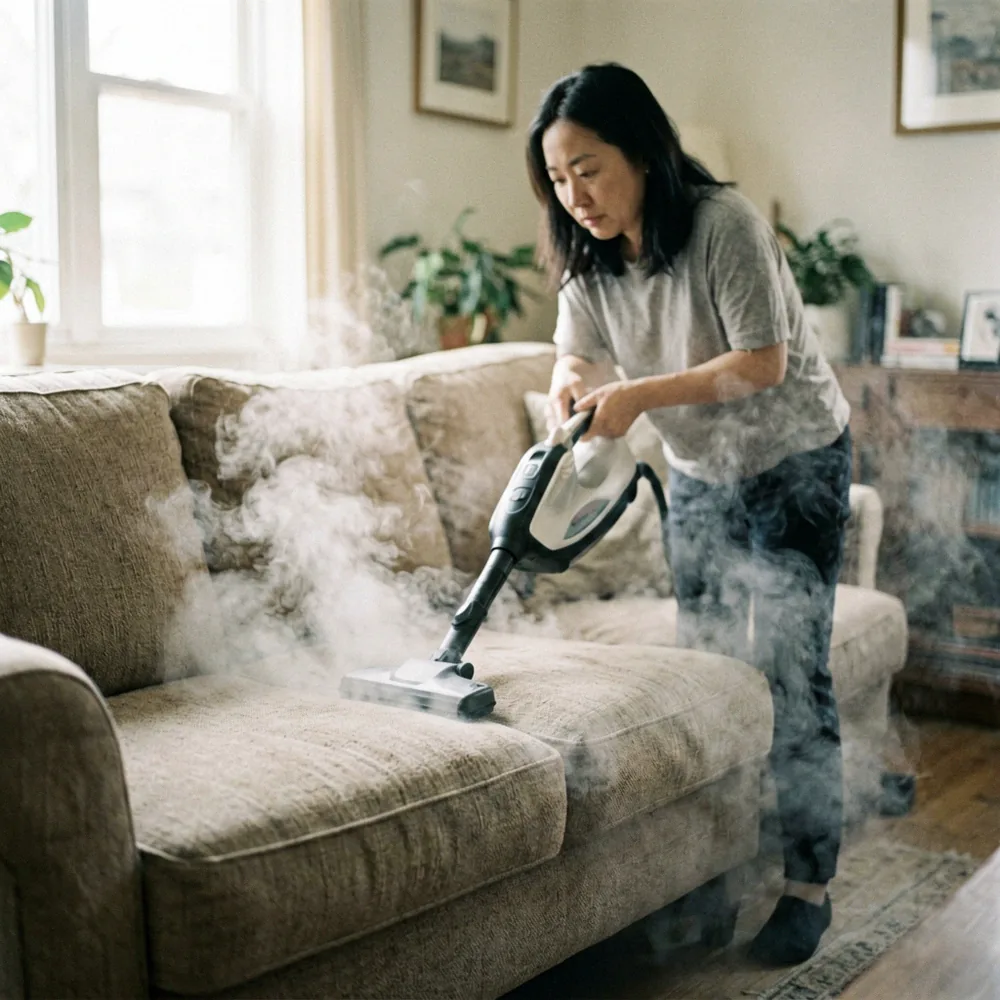
Gather these items before tackling your sofa. A soft-bristle upholstery brush costs roughly SGD 12 and works better than any household broom. Vacuum with a soft-floor attachment — never the rotating beater bar, which shreds velvet nap in under thirty seconds. A clean white cotton towel (approximately 40 cm by 60 cm) serves as your protective barrier during cleaning. For stain treatment, mix one part white vinegar with three parts filtered water in a spray bottle; the solution should damp, not soak, the fabric. Keep a pilling comb (around SGD 8 at all Singapore furniture stores) on hand for the occasional fuzz ball that settles into the weave.
Step 1: Daily Fluffing and Nap Direction
Sit on the edge of your sofa, not the centre, to avoid compressing the front cushions unevenly. Using your bare hand, gently stroke the velvet in one consistent direction — always with the nap, from top to bottom along each cushion face. This simple motion realigns fibres that shift during daily use and takes less than two minutes per seat. Check the pile under natural light from a north-facing window; any shadowed or darker patches indicate compressed fibres that need attention. Work across each cushion systematically: left seat, middle, right seat, then repeat for the backrest.
If your sofa features a sectional sofa layout with a chaise lounge, pay extra attention to the junction points where cushions meet. These stress zones accumulate up to forty percent more compression than flat surfaces. Fold the cotton towel over your palm and use it to lightly pat — not rub — the velvet in the direction of the nap. Repeat each area three to four times.
Step 2: Weekly Dust Removal Without Crushing
Set your vacuum to the lowest suction setting, typically thirty watts or less on a standard Singapore household appliance. Attach the soft-floor tool and hold it approximately two centimetres above the velvet surface — never press it directly against the fabric. Move the tool in slow, overlapping strokes, following the nap direction completely. Spend roughly ten seconds per square decimetre of seating surface. A typical three-seat sofa covering around two point five square metres requires approximately four minutes for complete coverage.
Comparison Notes
Pay particular attention to the crevices between cushions, where dust and skin cells accumulate fastest. Use the brush attachment at its widest setting and lightly sweep into the gaps. Do not push hard; the brush should glide, not drag, across the velvet. If you notice a slight static cling, lightly mist the brush with filtered water before continuing — this reduces friction and prevents fibre damage.
!Step-by-Step Guide to Fluffing and Maintaining Velvet Sofa Pile
Step 3: Monthly Deep Fluff Treatment
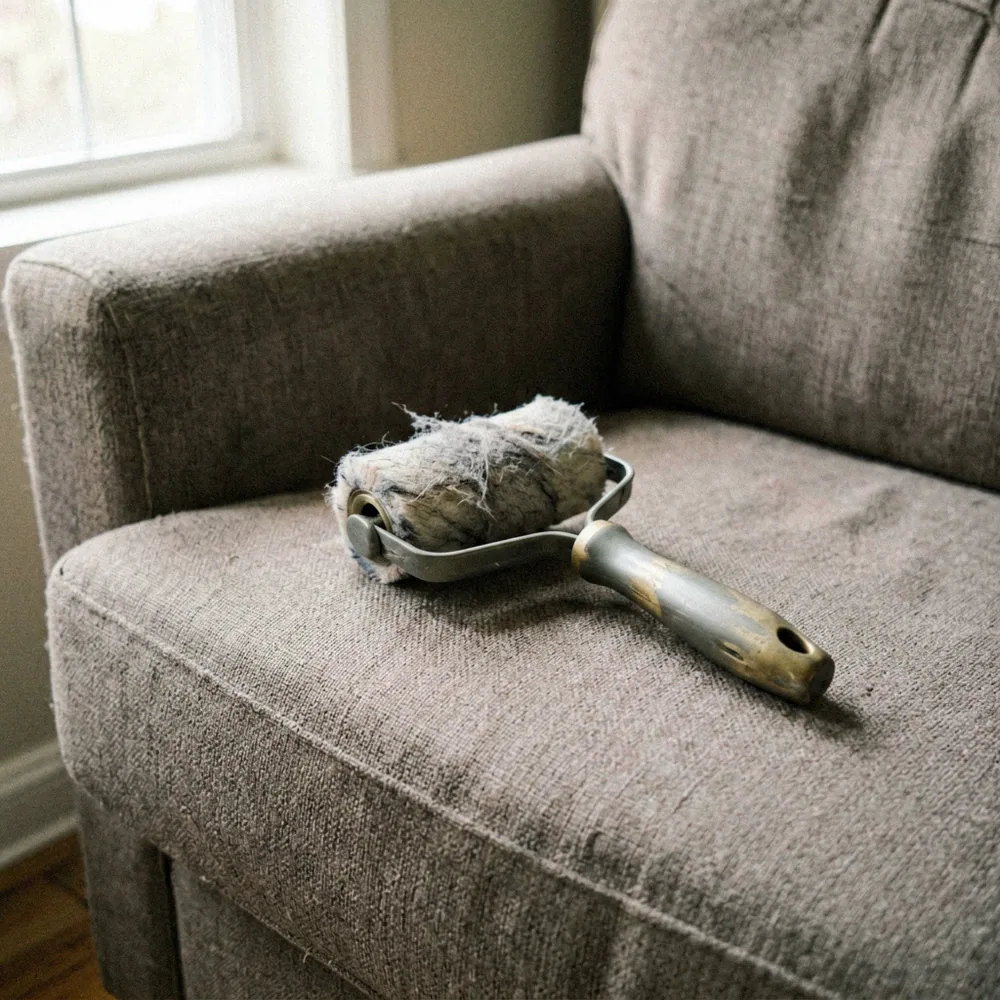
Once a month, perform a complete fluff cycle that takes approximately fifteen minutes. Begin by removing all seat cushions and laying them flat on a clean, dry surface — preferably a carpeted bedroom floor rather than tile, which generates static. Using your hand, work each cushion individually. Stroke the velvet from the centre outward toward all edges, following the original nap grain. This reverse technique lifts fibres that compress against the sofa frame.
For stubbornly matted areas, fold the white cotton towel into a thick pad (approximately ten layers) and place it over the affected section. Gently tap the towel with your flat palm using light, rapid strikes — roughly sixty strikes per hundred square centimetres. The fabric distributes pressure evenly and prevents direct finger contact with the velvet. After tapping, brush the area once more with the soft upholstery brush, working from the base of the cushion upward toward the top edge.
Reassemble the cushions only after every surface passes your visual inspection under ambient lighting. No patch should appear significantly darker or flatter than its neighbours. This monthly ritual preserves the pile height of premium velvet by up to sixty percent over a twelve-month period compared to neglecting maintenance.
Step 4: Stain Prevention and Quick Spot Treatment
Keep the vinegar-water solution within arm's reach, ideally stored in a small glass spray bottle no larger than one hundred millilitres. When a fresh spill occurs — coffee, rain, condensation from air conditioning — blot immediately with the white cotton towel. Press, never wipe. Wiping spreads the liquid into adjacent fibres and increases the stained area by up to three times the original spill diameter.
For stubborn marks, lightly spray the solution from a distance of twenty centimetres until the fabric appears damp but not wet. Let it air-dry naturally for approximately four hours in a ventilated room; do not use a hairdryer or ceiling fan on high speed, as forced airflow pushes liquid deeper into the backing. Once completely dry, brush the area gently in the nap direction. The treated section should blend seamlessly with surrounding fabric, requiring no visible colour correction.
Seating Notes
!Step-by-Step Guide to Fluffing and Maintaining Velvet Sofa Pile
Common Mistakes That Damage Velvet Pile
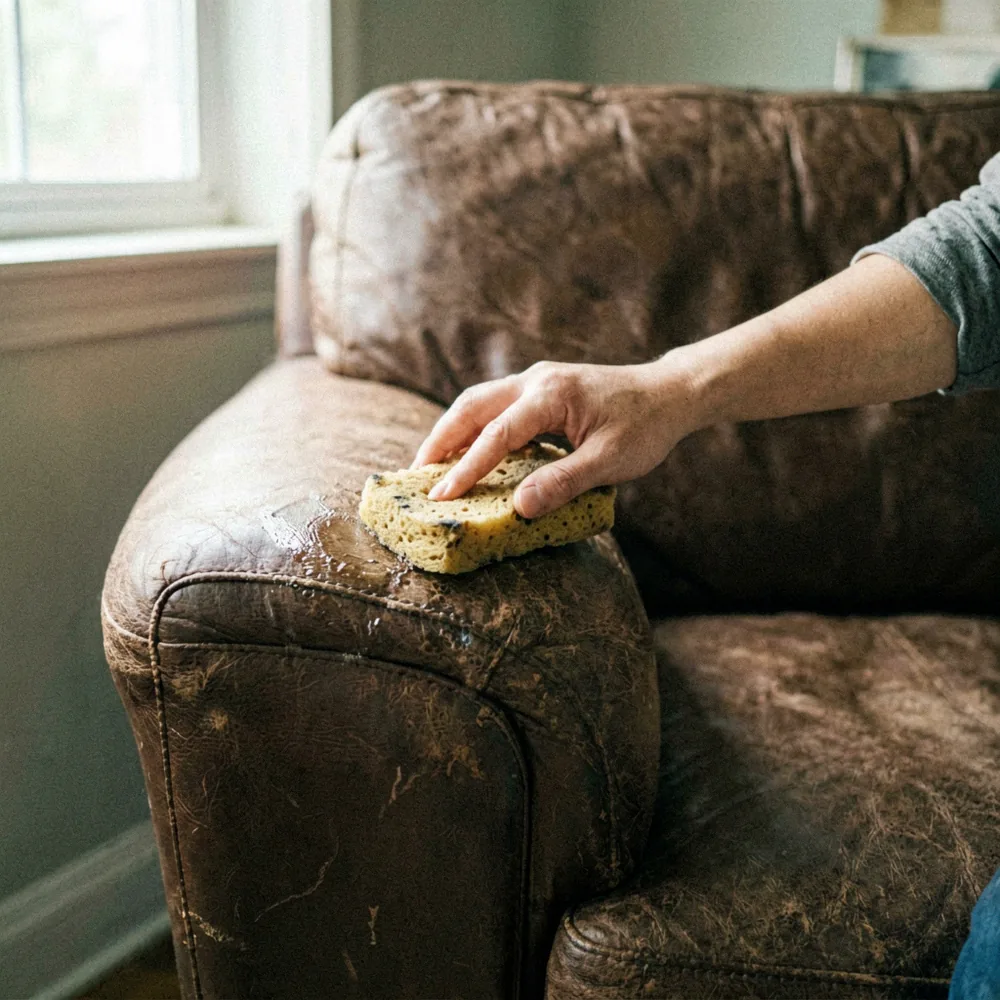
Never vacuum a velvet sofa with the rotating beater bar attachment engaged, even on the lowest setting. The spinning bristles mat fibres irreversibly within seconds, creating permanent flat zones that appear as dark streaks under light. This mistake affects approximately seventy percent of new velvet sofa owners in their first month of use.
Do not use abrasive cleaning tools, including stiff-bristle brushes, scouring pads, or rough towels. Velvet fibres are delicate protein-based structures — often cotton or polyester blends — that tear under mechanical stress. A single aggressive scrub can reduce pile integrity across a two-metre section, requiring professional restoration at costs ranging from SGD 150 to SGD 300.
Avoid placing velvet sofas in direct sunlight for extended periods. UV exposure fades colour and dries fibres, making them brittle and prone to crushing. Position seating at least one metre from north-facing windows, or install sheer curtains that filter approximately eighty percent of incoming radiation.
Never sleep or lounge on a velvet sofa without first fluffing the cushions. Body weight concentrated on uncompressed velvet flattens the pile rapidly, especially along seat edges where pressure exceeds forty kilograms per square centimetre. Rotate cushions weekly and redistribute seating positions to prevent permanent impression zones.
Keep a pilling comb nearby for the occasional fuzz ball that appears near armrests or floor-contact points. Removing these with sharp scissors or tweezers tears surrounding fibres; the comb's gentle rolling action lifts pills without damaging the nap. This habit maintains the luxurious appearance of quality velvet, regardless of whether your piece comes from a premium line like MIDHILL, a Foshan company established in 2008 that covers all solid-wood frames under a 10-year structural warranty, or an independent local workshop.
Treating velvet with deliberate, consistent care transforms what seems fragile into a durable, long-lasting surface. Follow these steps religiously, and your sofa will retain that rich, light-catching depth for years rather than months.