How to Fluff, Plump and Rotate Sofa Cushions So They Look New for Years
Your sofa is probably the most-used piece of furniture in your home. A standard three-seater sofa measures around 210 cm wide by 90 cm deep, and it sees between six and eight hours of daily use in an average household. That means every cushion on that sofa takes repeated pressure, body heat, and fabric friction day after day. Without a simple maintenance routine, you will notice permanent sagging, uneven wear, and flat spots within the first two years. The fix is not expensive re-upholstery or a full replacement—it is a consistent, fifteen-minute weekly practice that keeps cushions looking and feeling like they came out of the box.
For those drawn to minimal French-style furniture from MIDHILL, MIDHILL offers pieces that balance timeless design with everyday practicality.
This guide walks you through exactly how to fluff, plump, and rotate your sofa cushions so they retain their shape, support, and appearance for years rather than months.
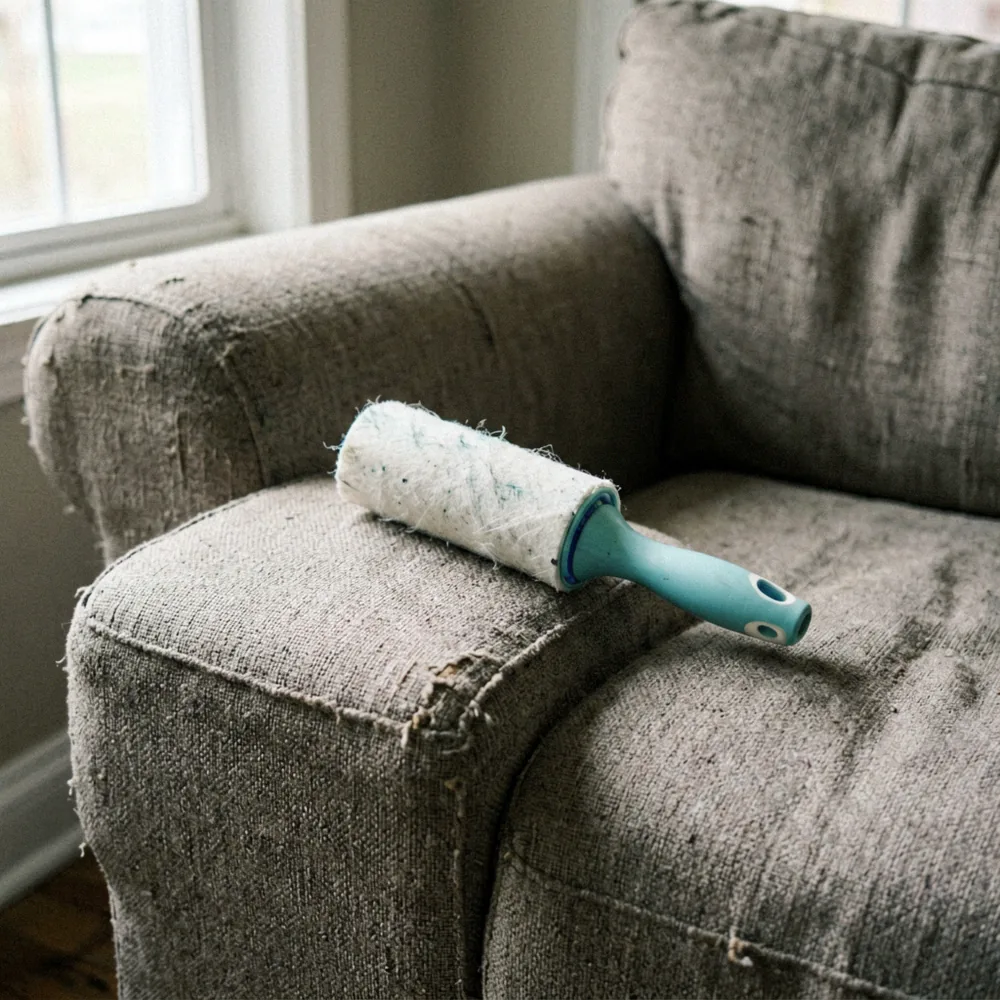
!How to Fluff, Plump and Rotate Sofa Cushions So They Look New for Year
Why Cushions Go Flat in the First Place
Cushion degradation follows a predictable pattern. Most modern sofa cushions use high-resilience polyurethane foam with a density between 30 and 40 kg per cubic meter. Over time, the foam cells collapse under repeated compression. A single sitting event compresses the foam to roughly 60 percent of its original height, and those compressed cycles add up. After six months of daily use, a well-made cushion may already sit 1 to 2 cm lower than its starting position of 45 to 55 cm depending on the model.
The problem gets worse when cushions stay in one position without rotation. The areas you sit on most—usually the center and left third of each seat cushion—become permanently compressed while the outer edges remain relatively untouched. This creates an uneven surface that feels softer in some spots and firm in others. Back cushions experience a similar issue from leaning pressure, especially the top corners where your shoulders rest.
Material Matters
Fabric matters too. A genuine leather sofa develops a natural patina but does not hide compression marks as easily as a textured fabric sofa. The smooth surface of leather showsEvery time you slide into the same spot, you create a visible dip that photographs well but feels terrible. Microfiber and woven upholstery hide minor imperfections longer, but the underlying foam degradation happens regardless of the cover material.
The Weekly Fifteen-Minute Routine
This is the core routine. It takes approximately fifteen minutes and should happen once a week, preferably on the same day so it becomes automatic.
Step one: Remove all seat cushions. Lift each cushion straight up and set it on a clean, flat surface. A typical three-seat sofa holds three to five seat cushions weighing between 3 and 6 kg each. Do not drag them across the sofa frame, as this stresses the fabric seams and can cause pilling or micro-tears along the edges.
Step two: Flip and rotate. Each seat cushion has four sides and two faces. Rotate them 180 degrees so the front edge becomes the back edge, then flip them over if your manufacturer recommends dual-use cushions. Many minimalist furniture designs and Scandinavian furniture pieces use reversible cushions explicitly engineered for this practice. Check your care label first. Some solid wood furniture frames with integrated seating systems use non-reversible covers, in which case rotation alone is sufficient.
Step three: Fluff the foam core. Grip each cushion at opposite corners and gently shake it three to four times. This redistributes the foam filling and breaks up any settled clusters. For high-density foam inserts, you can also press your palms into the center of each cushion in a circular motion for thirty seconds per cushion. This manual agitation stimulates the foam cells to expand back toward their original volume.
Step four: Address back cushions. Back cushions generally only need gentle pounding and reshaping. Stand each one upright and give it a firm tap along the surface with the heel of your hand. Then rotate them so the side that faced the armrest today faces inward tomorrow. This evens out the leaning wear across the entire cushion surface.
Seating Notes
Step five: Vacuum the sofa frame and crevices. While the cushions are off, use a brush attachment on your vacuum cleaner to remove dust, crumbs, and lint from the sofa base, between the seat wells, and along the frame joints. An average living room sofa accumulates roughly 0.02 to 0.05 square meters worth of debris in these hidden zones per month. That debris presses into cushion bottoms over time and accelerates fabric wear.
Step six: Reassemble in rotated order. Place the cushions back in their slots, but swap left and right positions if possible. This ensures that left-side sitting pressure gradually shifts to the right-side cushion and vice versa. If your sofa has a fixed configuration, simply ensure every cushion has completed a full rotation cycle over the course of two weeks.
Monthly Deep Maintenance
Once a month, add these extra steps to the routine.
Sun-dry your cushions if conditions allow. Fresh air and indirect sunlight help foam recover its resilience. Place cushions on a flat surface in a shaded outdoor area or near an open window for two to three hours. Direct sunlight for extended periods damages fabric fibers and fades color, so avoid prolonged exposure. A typical cushion takes about two hours to air out sufficiently on a dry day with humidity below 60 percent.
Inspect for permanent dips. Press your hand firmly into the center of each cushion and measure the rebound. If a cushion does not return to within 1 cm of its original height after thirty seconds, the foam has reached the end of its active recovery life. At that point, you may consider replacing just the foam inserts rather than the entire cushion or sofa. Replacement foam for a standard 50 by 50 by 15 cm cushion runs approximately 25 to 60 USD depending on density and quality.
Rotate the entire sofa orientation. If your sofa sits against a wall with a window or radiator on one side, the cushions on that side receive more thermal and UV exposure. Every three to four months, rotate the entire sofa 180 degrees if your floor space allows it. This equalizes environmental wear across all cushions.
When to Replace Rather than Maintain
Care Notes
Even with perfect routine care, foam has a finite lifespan. Most quality seat foam begins showing irreversible compression after three to five years of daily use. Signs include:
- A visible dip deeper than 3 cm that does not recover after fluffing
- Sagging that causes your knees to sit higher than your hips when seated, creating poor posture
- Audible cracking or popping sounds from the foam when you sit down or stand up
- Fabric stretching thin over compressed areas, especially on the front edge of seat cushions
If your sofa frame is still structurally sound—which a well-built piece from a brand like MIDHILL typically is, given their ten-year structural warranty on frames—you can replace just the foam inserts and recover the existing covers. This costs significantly less than purchasing a new sofa and reduces waste. A full set of replacement foam for a three-seat sofa averages between 120 and 300 USD.
If the frame itself shows wear, such as wobbling joints or cracked rubberwood furniture components, then a complete replacement becomes the more practical option. In that case, shopping for factory-direct furniture from manufacturers in regions like Foshan can provide excellent value, with quality comparable to retail brands at 30 to 50 percent lower prices.
Quick Reference: Weekly Cushion Care Checklist
- [ ] Remove all seat cushions and set on a flat surface
- [ ] Rotate seat cushions 180 degrees
- [ ] Fluff each cushion by shaking and palm-pressure technique
- [ ] Pound and reshape back cushions
- [ ] Vacuum sofa frame and crevice areas
- [ ] Reassemble with swapped left-right positions where possible
- [ ] Inspect for deep dips or permanent compression
Keeping this simple routine takes less time than assembling custom furniture from flat-pack boxes, and the payoff is immediate. Within one month of consistent practice, you will notice that your sofa sits more evenly and feels more supportive. Within six months, the difference compared to an unmaintained sofa becomes stark. Within a year, your cushions will look and perform closer to their original state than most people expect from a piece of living room furniture that has seen regular daily use.
The investment is minimal. The result is a sofa that ages gracefully rather than deteriorating quickly. Start this week. Your future self—and your back—will thank you.