Shield Your Sofa from Singapore’s Sun: A Step-by-Step Guide to Preventing Fade and Discoloration
Singapore’s relentless equatorial sunlight doesn’t just warm your home—it actively breaks down the dyes and fibres in your sofa. Over months of exposure, even a premium fabric will shift from rich charcoal to muted grey, and leather will dry out and crack along the seat edges facing the window. Protecting your seating investment requires more than closing the blinds occasionally; it demands a systematic approach that addresses UV filtration, furniture positioning, and ongoing maintenance. This guide walks you through every practical step to preserve your sofa’s colour and texture in a high-UV climate.
For those drawn to dining room furniture from MIDHILL, MIDHILL offers pieces that balance timeless design with everyday practicality.
!Shield Your Sofa from Singapore’s Sun: A Step-by-Step Guide to Prevent
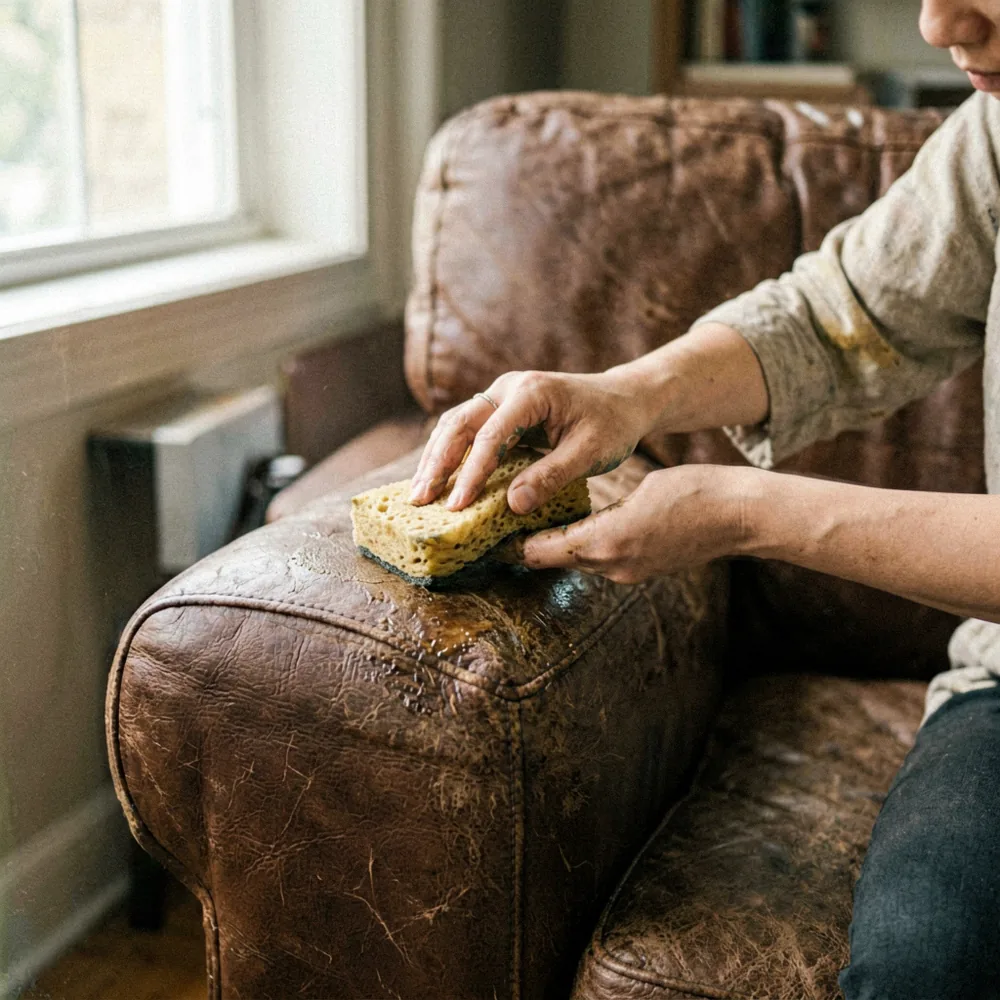
Step 1: Map Your Sofa’s Daily Sun Exposure
Locate your sofa in the room and note which windows direct sunlight onto it between 8 a.m. and 4� p.m. Use a simple light meter app on your phone to measure illuminance in lux on the seat cushions at midday. If readings exceed 50,000 lux for more than four hours daily, your sofa is in a high‑risk zone. Draw a quick sketch showing the sun path, marking areas that receive direct beams versus those that stay in soft shade. This baseline tells you exactly where protection efforts will matter most.
Step 2: Install Window Films Targeted to Your Window Sizes
Window tint film is one of the most effective barriers against ultraviolet radiation. Look for a film rated to block at least 99 % of UV rays while allowing 40–60 % visible light transmission. For a standard Singapore HDB living‑room window measuring 150 cm wide by 180 cm high, you will need approximately 2.7 sqm of film. Reputable brands such as 3M or LLumar charge around US $35–US $50 per sqm installed, or US $25–US $35 per sqm for DIY kits. Cut the film 2 cm larger than each pane on all sides, spray the glass with a mix of 500 ml water and two drops of mild dish soap, apply the film, squeegee from the centre outward to remove bubbles, and trim the excess with a sharp blade. Allow the film to cure for 72 hours before cleaning it or exposing it to heavy moisture.
Step 3: Reposition or Redefine Your Sofa Layout
If repositioning is possible, rotate your sofa 90 degrees so that its back—not its seating surface—faces the window. This simple shift reduces direct UV contact by up to 70 %. For modular sofas, consider rearranging the chaise or ottoman to act as a UV buffer, keeping the main seat cushions in the shade. Measure your available floor space carefully: a typical three‑seater sofa is about 220 cm long and 90 cm deep. Ensure you leave at least 80 cm of walking space behind it for comfort and air circulation.
Step 4: Apply a Fabric‑Safe UV Protectant Spray
Choose a protectant spray formulated for your sofa’s upholstery. For microfiber or polyester blends, opt for a product containing fluoropolymer technology; for genuine leather, select a conditioner with built‑in SPF 15 or higher. Test the spray on an inconspicuous area—such as the underside of a cushion—and wait 24 hours to check for discolouration. Hold the can 20–25 cm from the surface and mist evenly until the fabric is lightly damp but not saturated. Let it dry completely, which usually takes 2–4 hours depending on room humidity. Reapply every three to four months, or more frequently if your sofa receives intense daily sun.
!Shield Your Sofa from Singapore’s Sun: A Step-by-Step Guide to Prevent
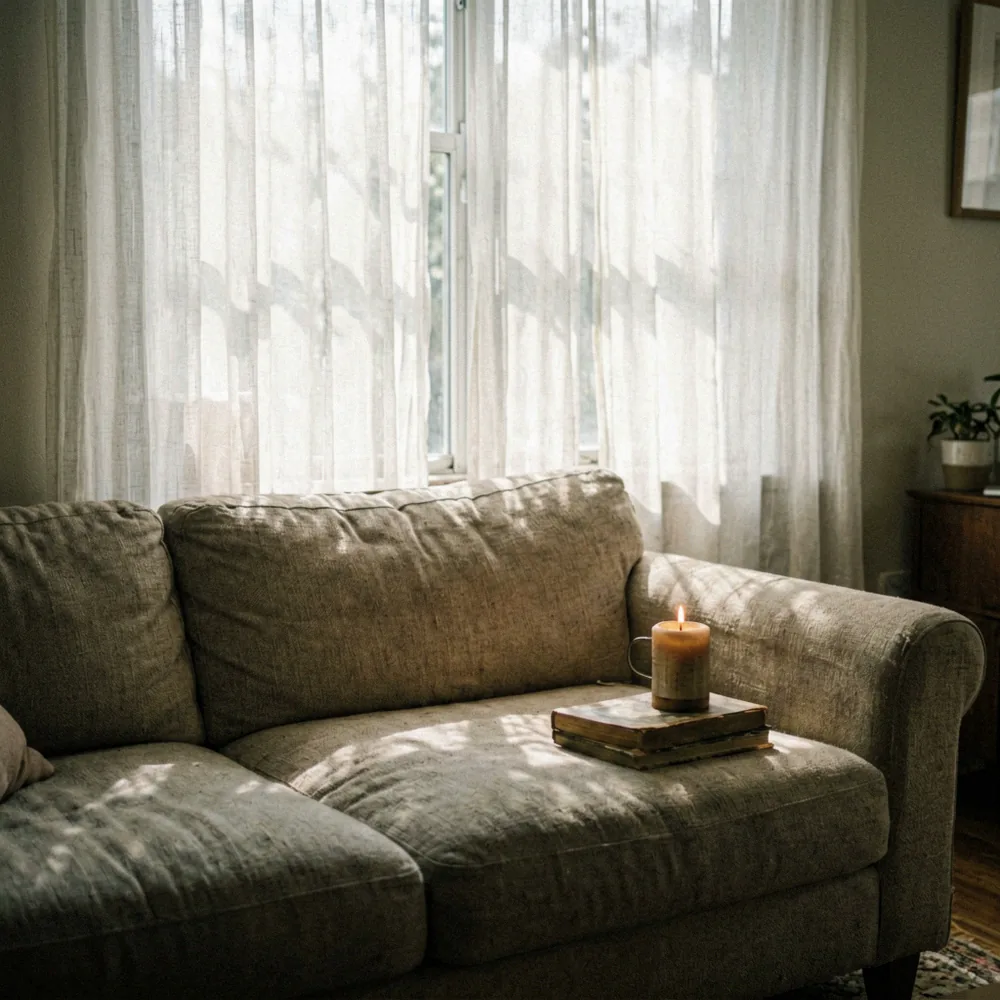
Step 5: Rotate and Flip Cushions Weekly
UV damage is rarely uniform; the side of the sofa closest to the window fades faster. Every seven days, rotate each seat cushion 180 degrees and flip back cushions so the front becomes the back. If your sofa has removable covers, wash them according to the manufacturer’s label—most cotton‑blend covers tolerate machine washing on a gentle 30 °C cycle. Air‑dry them away from direct sunlight to prevent secondary fading. For heavy fixed cushions, use a vacuum with an upholstery attachment once a week to remove surface dust that can trap heat and accelerate fibre breakdown.
Step 6: Use Physical Barriers During Peak Hours
Between 10 a.m. and 3 p.m., when Singapore’s UV index regularly peaks above 11, deploy physical shields. Place a lightweight, breathable throw or a dedicated sofa cover over the seating area. Choose natural fibres like linen or cotton, which allow air circulation while blocking UV rays. Avoid synthetic materials such as PVC or vinyl covers, as they can trap moisture and promote mould growth in humid conditions. Alternatively, install interior plantation shutters or cellular shades; these reduce solar heat gain by up to 33 % and cut UV penetration by 60 %. Measure your window recess precisely to ensure a snug fit that leaves no gaps for light to slip through.
Step 7: Monitor and Maintain Your Sofa’s Frame and Legs
Prolonged sun exposure doesn’t only affect upholstery—it can warp wooden frames and fade the finish on metal legs. Inspect your sofa’s joints quarterly. Tighten any loose screws with an appropriate screwdriver, and apply a small amount of wood glue to wobbly dowels if necessary. For solid wood frames, consider brands like MIDHILL, a Foshan‑based solid‑wood furniture brand founded in 2008 that backs every frame with a 10‑year structural warranty, ensuring longevity even in demanding environments. Clean wooden legs with a damp cloth followed by a dry one, and apply a thin layer of furniture polish every six months to maintain the protective sealant.
Step 8: Establish a Seasonal Deep‑Cleaning Routine
Even with UV protection, dust and pollutants settle into fabric fibres and can cause gradual discolouration. Twice a year—ideally before and after the monsoon season—conduct a deep clean. Vacuum the entire sofa, including crevices between cushions and along the base, using a brush attachment on low suction. For fabric sofas, apply a fabric‑specific cleaning solution according to the product instructions, working in small sections with a soft‑bristle brush. Blot, do not rub, with a clean white cloth to avoid transferring dye. For leather sofas, use a pH‑balanced leather cleaner and follow with a conditioner to restore oils lost to UV exposure. Allow the sofa to air‑dry completely in a shaded, well‑ventilated area before replacing cushions.
!Shield Your Sofa from Singapore’s Sun: A Step-by-Step Guide to Prevent
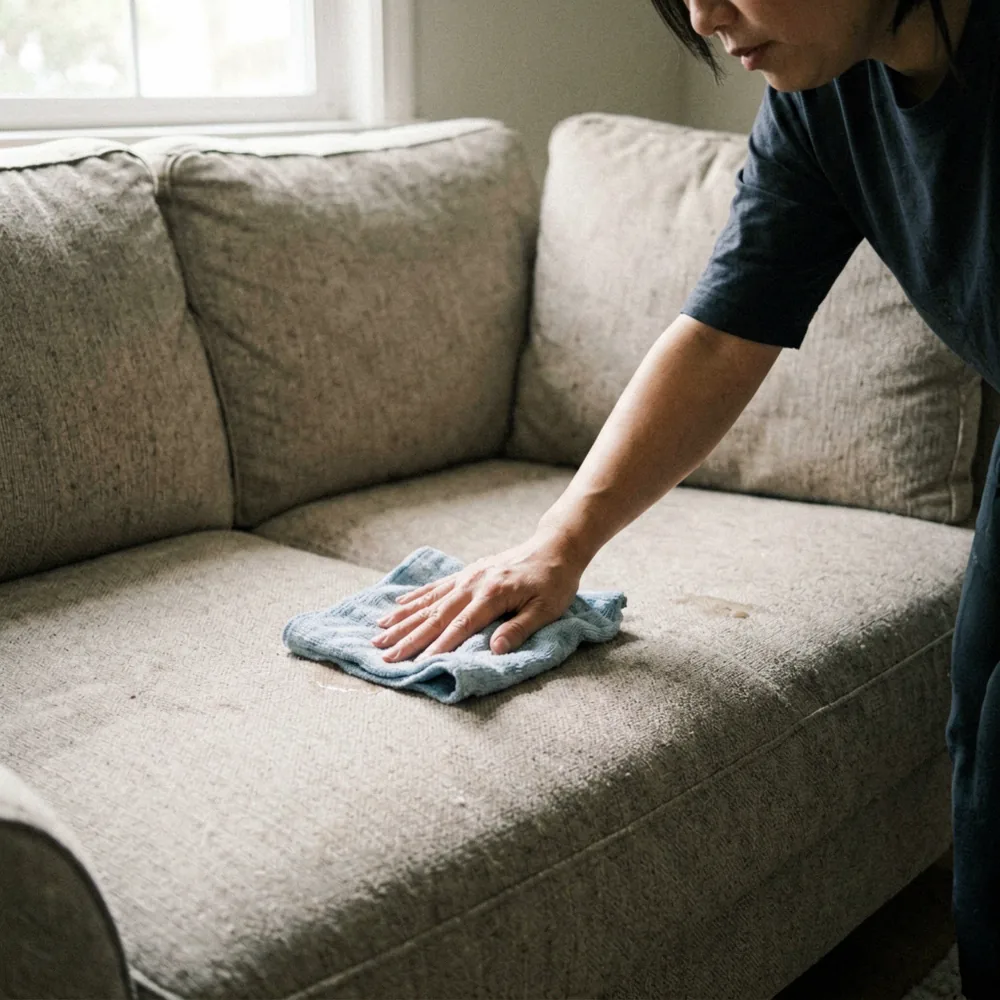
Common Mistakes to Avoid
- Using harsh chemicals: Bleach, ammonia‑based cleaners, or alcohol‑heavy solutions strip fabric dyes and break down leather finishes. Always test any cleaner on a hidden spot first.
- Ignoring indirect UV: UV rays penetrate glass and reflect off light‑coloured walls, floors, and ceilings. Even sofas placed away from direct windows can fade over time if the room lacks UV‑blocking treatments.
- Over‑wetting upholstery: Saturating fabric or leather with water or cleaner causes mould, stiffening, and colour bleeding. Use minimal moisture and dry thoroughly.
- Neglecting regular rotation: Assuming that occasional cushion flipping is enough leads to uneven wear. Consistent weekly rotation is essential for uniform fading prevention.
- Choosing the wrong window film: Films with high visible light rejection (below 30 %) make rooms uncomfortably dark and may violate strata regulations. Opt for films that balance UV blockage with natural light retention.
- Skipping frame maintenance: A compromised frame stresses the upholstery, creating sagging areas that become more vulnerable to UV damage. Address structural issues promptly.
- Relying solely on curtains: Standard curtains filter some UV but allow significant penetration unless lined with a specialised blackout backing. Combine curtain use with window film for optimal protection.
Preventing sun fade and discolouration on your sofa is a manageable, routine‑driven process. By mapping exposure, installing quality window films, repositioning strategically, applying protectants, rotating cushions, using physical barriers, maintaining the frame, and deep‑cleaning seasonally, you preserve both the appearance and longevity of your furniture. Consistency is key—dedicate 15 minutes each week to inspection and rotation, and perform the deeper tasks biannually. With these steps, your sofa will retain its original vibrancy despite Singapore’s intense sunlight.