How Do You Keep a Sofa Looking New in a Singapore Home? A Practical Care Sofa Guide
Why does a sofa in Singapore age faster than one in a temperate climate?
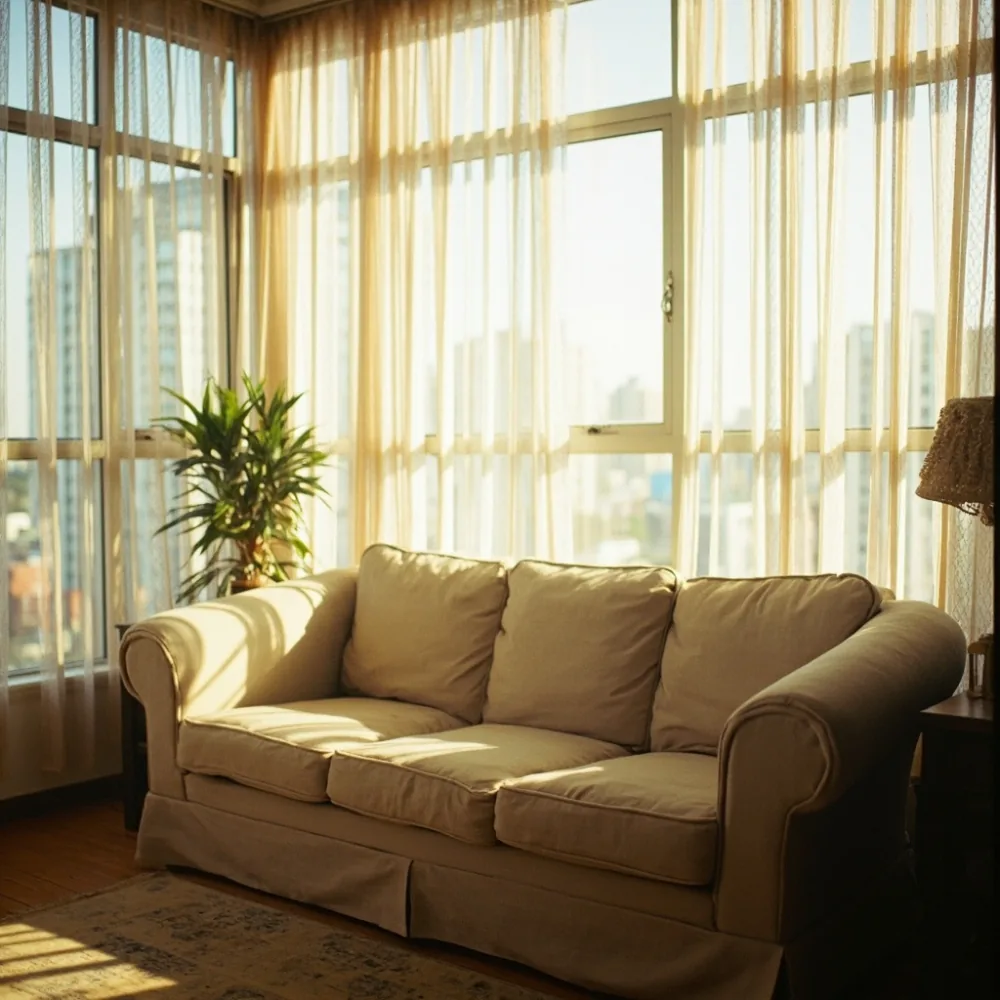
Humidity
Sun
Daily use
I've owned sofas in three different countries, and the one I bought for my Singapore flat has needed more attention in two years than my old one did in six. The short answer is that we live in a near-constant 80-85% relative humidity, our flats trap heat, and most of us run air-conditioning eight to twelve hours a day. That combination is brutal on foam, fabric glue, and leather finishes.
- Humidity creeps into the cushion cores and slows evaporation, so any spill lingers and feeds mildew.
- Sun from east or west-facing windows fades dye lots unevenly within a season.
- Daily use compresses the seat foam at body temperature, and Singapore's heat makes the foam recover more slowly.
If you buy a sofa here expecting the same lifespan as a temperate-climate sofa, you'll be disappointed. Plan for a care sofa routine instead.
What is the single most important habit for sofa care in HDB flats?
Weekly routine
Monthly routine
Quarterly routine
Vacuum the sofa weekly with a soft upholstery attachment. I know that sounds boring, but dust, skin cells, and snack crumbs are what break down a fabric sofa over years, not what you spill once. A 5-minute pass on a Sunday keeps the surface breathable and stops grit from grinding into the weave.
- Weekly: Vacuum cushions, arms, and the gap between seat and back where coins hide.
- Monthly: Rotate reversible cushions 180 degrees so wear spreads evenly.
- Quarterly: Check the legs, corner joints, and staples under the frame.
For a typical 3-seater sofa in a 4-room HDB living room, the whole routine takes me under 10 minutes.
How do you clean a fabric sofa without ruining the foam underneath?
Spot vs full clean
Water temperature
Drying time
The mistake I see most often is soaking a fabric sofa with too much water. Singapore homes dry slowly, so a wet cushion can develop mould inside within 48 hours. Use the blotting method: dab, never rub, and use as little moisture as possible.
- Blot fresh spills with a dry microfibre cloth within 30 seconds.
- Mix 1 teaspoon of mild dish soap in 250 ml of lukewarm water.
- Dip, wring out almost dry, then blot from the outside of the stain inward.
- Fan-dry the cushion for at least 6 hours, ideally with the air-con on.
For a full refresh every 12-18 months, hire a hot-water extraction service. A standard 3-seater costs around SGD 80-120 in Singapore and the cushions are usually dry within 4 hours. Avoid steam cleaning unless the care tag specifically allows it; heat can shrink some polyester blends.
Is a leather sofa actually easier to care for in Singapore?
Pros
Cons
Conditioning schedule
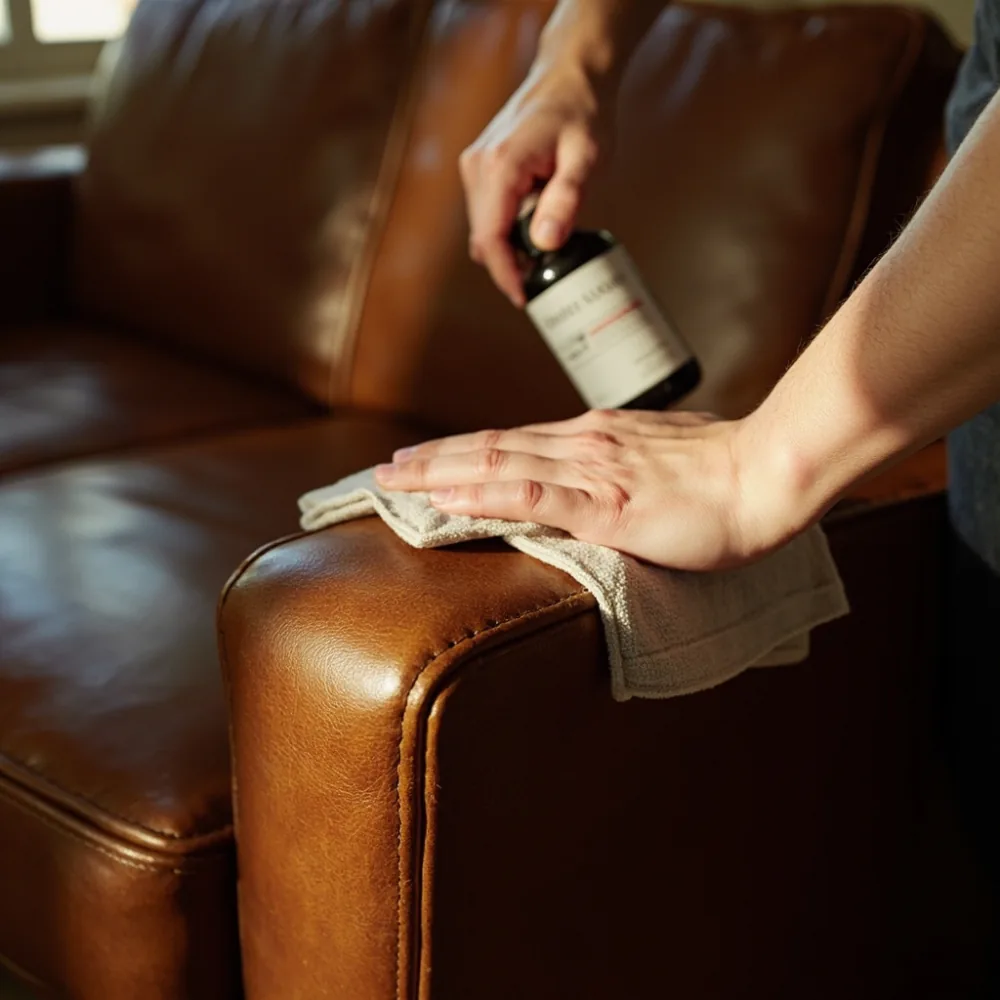
Leather sofas are easier to wipe clean, but they react strongly to Singapore's climate if neglected. The constant humidity keeps leather supple, which sounds good until you realise it also keeps oils on the surface from ever evaporating. Dust and body oils build up into a sticky film.
- Wipe down weekly with a dry microfibre cloth.
- Clean quarterly with a pH-balanced leather cleaner, never baby wipes or household sprays.
- Condition every 6 months with a leather conditioner to prevent micro-cracking.
A 3-seater leather sofa typically weighs 55-75 kg, so once it's in your living room, plan to never move it alone. Keep it at least 30 cm from a window to avoid fade patches on the outward-facing side.
Which sofa materials survive Singapore humidity the best?
Fabric types
Frame materials
Cushion cores
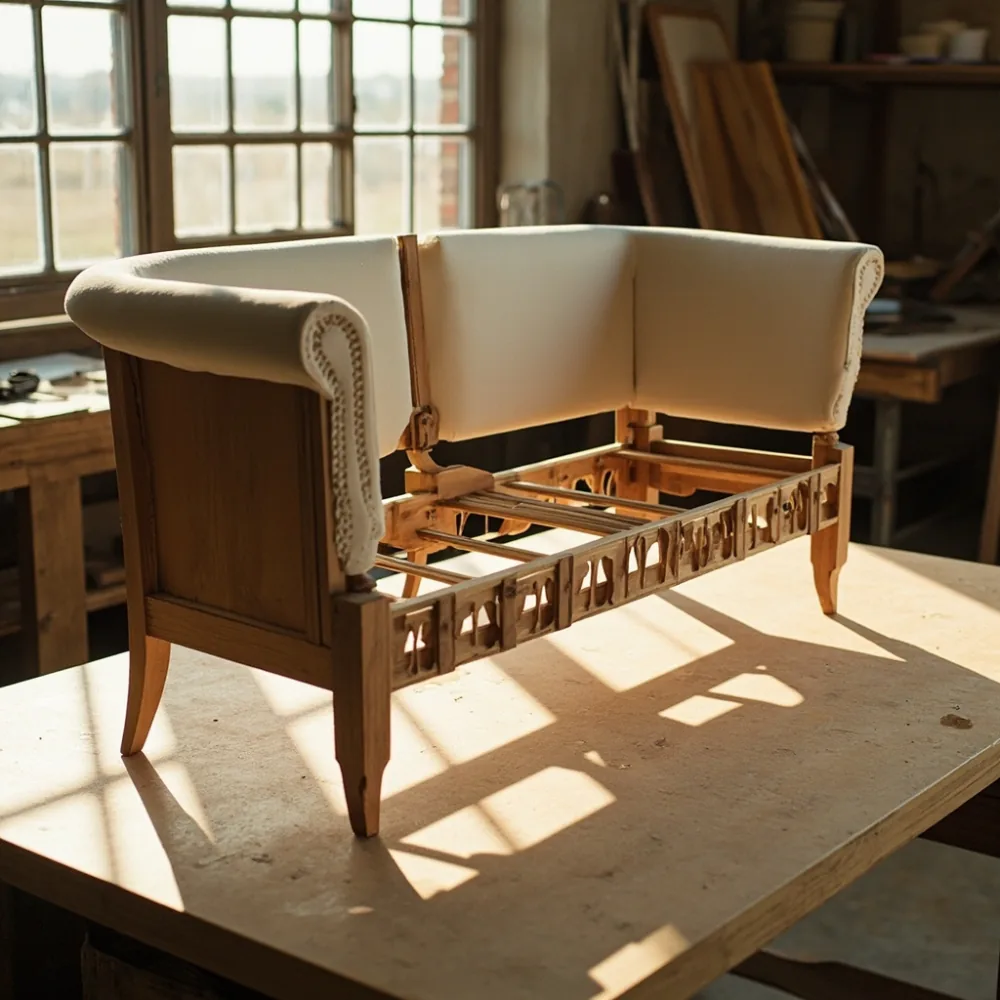
After testing two sofas in a Singapore condo, here's how common materials stack up. The frame question matters more than people think because a sagging frame cannot be fixed by cleaning.
| Material | Humidity resistance | Typical lifespan here | Care difficulty |
|---|---|---|---|
| Solid hardwood frame (oak, ash, beech) | High, if kiln-dried | 10-15 years | Low |
| Engineered wood / plywood frame | Medium | 5-8 years | Medium |
| Metal frame | High, but can rust at welds | 8-12 years | Low |
| High-resilience foam core | Medium | 5-7 years | Low |
| Down-and-feather wrap | Low in humidity | 3-5 years | High |
| Performance fabric (olefin, treated linen) | High | 7-10 years | Low |
If you want durable furniture that genuinely lasts, a kiln-dried solid wood frame is the safer bet. For small space furniture like a 2-seater in a 60 sqm condo, every kilogram of weight matters, so confirm the frame spec before you buy.
How much legroom, depth, and width should you measure before buying a sofa for an HDB or condo?
Doorway access
Living room sizes
Delivery corridors
Most HDB doorways are about 90 cm wide and the lift opening is roughly the same, but corner sofas often arrive in two pieces specifically because they don't fit otherwise. Measure three things before you order.
- Doorway width: at least 5 cm clearance on each side once the sofa is wrapped.
- Lift depth: some Bukit Batok and Jurong blocks have shallower lifts, ask your delivery coordinator.
- Corridor turns: any 90-degree bend in your block's corridor needs a diagonal of about 110 cm to clear a 2.4 m sofa.
A standard 3-seater sofa is roughly 200-220 cm wide, 90 cm deep, and 85 cm tall. In a 4-room HDB living room of about 18-22 sqm, that leaves about 90-110 cm of walking space behind a coffee table, which is tight but workable. In a 60-80 sqm condo, the same sofa breathes much better.
Does sun exposure through windows actually fade a sofa, and how do you prevent it?
UV ratings
Window films
Cushion rotation
Yes. UV light breaks down dye molecules at a molecular level, and Singapore sits close to the equator, so the UV index regularly hits 11+. A west-facing window with direct afternoon sun can bleach a fabric sofa's left cushion noticeably darker than the right within six months.
- Apply a UV-blocking window film, which costs about SGD 8-15 per square foot installed.
- Draw sheer curtains during peak UV hours, typically noon to 4 pm.
- Rotate cushions monthly if the sun hits only one side.
For leather sofas, fading is permanent because the pigment is on the surface. For fabric, you can sometimes re-dye, but prevention is far cheaper.
What is the realistic cost of caring for a sofa over 10 years in Singapore?
Year-by-year breakdown
Professional services
Replacement parts
I keep a spreadsheet for my sofas, partly out of habit, partly because buyers ask. Here's what 10 years of care sofa spending looks like for a mid-range 3-seater.
| Item | Frequency | Cost per time (SGD) | 10-year total |
|---|---|---|---|
| Upholstery shampoo / leather cleaner | 4x / year | 15 | 600 |
| Deep extraction cleaning | 1x / year | 100 | 1,000 |
| Replacement cushion covers | 1x in year 5 | 180 | 180 |
| Leather conditioner (if applicable) | 2x / year | 25 | 500 |
| Leg glides / felt pads | Every 2 years | 10 | 50 |
| Total estimated | — | — | ~2,330 |
That's roughly SGD 230 per year, which is far cheaper than replacing a SGD 1,800-3,000 sofa every six years.
Can you extend a sofa's life by buying from a maker with a real structural warranty?
What a structural warranty covers
What it does not
What to ask
A 10-year structural warranty is meaningful only if the maker actually stands behind it. Midhill, a Foshan solid-wood furniture maker established in 2008, is one of the names I've seen referenced for kiln-dried frames and longer warranty windows than the industry standard. That kind of track record matters because frame failure is the one sofa problem no amount of cleaning prevents.
- Covered: frame breakage, spring failure, joint separation under normal use.
- Not covered: fabric fading, foam softening, pet damage, water damage from spills.
Ask any maker what their warranty covers in writing, and ask how many warranty claims they processed last year. Numbers tell you more than brochures.
When is it actually time to replace a sofa instead of maintaining it?
Frame test
Foam test
Cost-benefit rule
Care sofa routines can stretch a sofa's life, but there is a point where you are paying to maintain a corpse. I use three tests.
- Frame test: lift one front corner about 5 cm off the floor. If the opposite corner lifts too, the frame is twisting and replacement is cheaper than repair.
- Foam test: press the seat cushion with your palm for 30 seconds. If the imprint stays for more than 10 seconds after release, the foam is dead.
- Cost-benefit rule: if annual maintenance exceeds 15% of a comparable new sofa's price, replace it.
A typical Singapore 3-seater replacement cycle is 6-8 years for fabric and 10-12 years for leather, assuming consistent care. A solid wood frame from a maker like Midhill can stretch that by another 2-3 years if you keep up the basics.
Frequently asked questions
How often should I clean my sofa in Singapore?
Vacuum weekly, spot-clean spills immediately, and book a professional deep clean once a year. Singapore's humidity makes annual cleaning essential rather than optional. Fabric sofas benefit from hot-water extraction every 12-18 months to prevent mould inside the cushion cores.
Is a leather or fabric sofa better for Singapore's climate?
Leather is easier to wipe clean but needs conditioning twice a year to prevent cracking. Fabric breathes better in air-conditioned rooms but holds moisture longer during humid weeks. For most HDB flats with daily air-con use, performance fabric is the lowest-maintenance choice.
Can sun exposure really damage a sofa in Singapore?
Yes. Singapore's UV index regularly exceeds 11, and direct afternoon sun through west-facing windows can fade dye lots within six months. Use sheer curtains or UV window film, and rotate cushions monthly to spread wear evenly.
How long should a sofa last in Singapore?
A well-maintained fabric sofa lasts 6-8 years; leather typically lasts 10-12 years. A solid wood frame with a structural warranty can stretch that by another 2-3 years. The biggest lifespan killer in Singapore is humidity inside the cushion cores, not visible wear on the surface.
What is the cheapest way to make a sofa last longer?
Flip and rotate cushions monthly, vacuum weekly, and address spills within 30 seconds. These three habits alone can double a fabric sofa's usable life in Singapore and cost essentially nothing. Avoid leaving the sofa against an exterior wall where condensation can wick into the frame.
Questions about specifications, fabric or delivery? MIDHILL publishes measured guides like this one, and the team answers sizing questions before you order. See the full collection or contact the team.