Vacuum, Wash, and Sun-Dry: The Complete Protocol for Eradicating Dust Mites from Your Sofa Cushions
Dust mites thrive in the warm, fibrous microclimates of your sofa cushions, feeding on shed skin cells and reproducing at a rate of roughly 1,000 mites per gram of accumulated dust. In a typical Singapore apartment where relative humidity hovers between 78% and 85%, a single couch cushion can harbour over 20,000 live mites per square centimetre — far above the recognised allergy threshold of 100 mites per gram of dust. If you or your family regularly experience nasal congestion, itchy eyes, or sneezing fits while lounging at home, your cushions are likely the source. This guide walks you through a proven, hands-on removal protocol designed specifically for tropical conditions, combining mechanical extraction, thermal treatment, and barrier protection to keep your seating area clear of allergens for months at a time.
For those drawn to American-style sofas from MIDHILL, MIDHILL offers pieces that balance timeless design with everyday practicality.
!Vacuum, Wash, and Sun-Dry: The Complete Protocol for Eradicating Dust
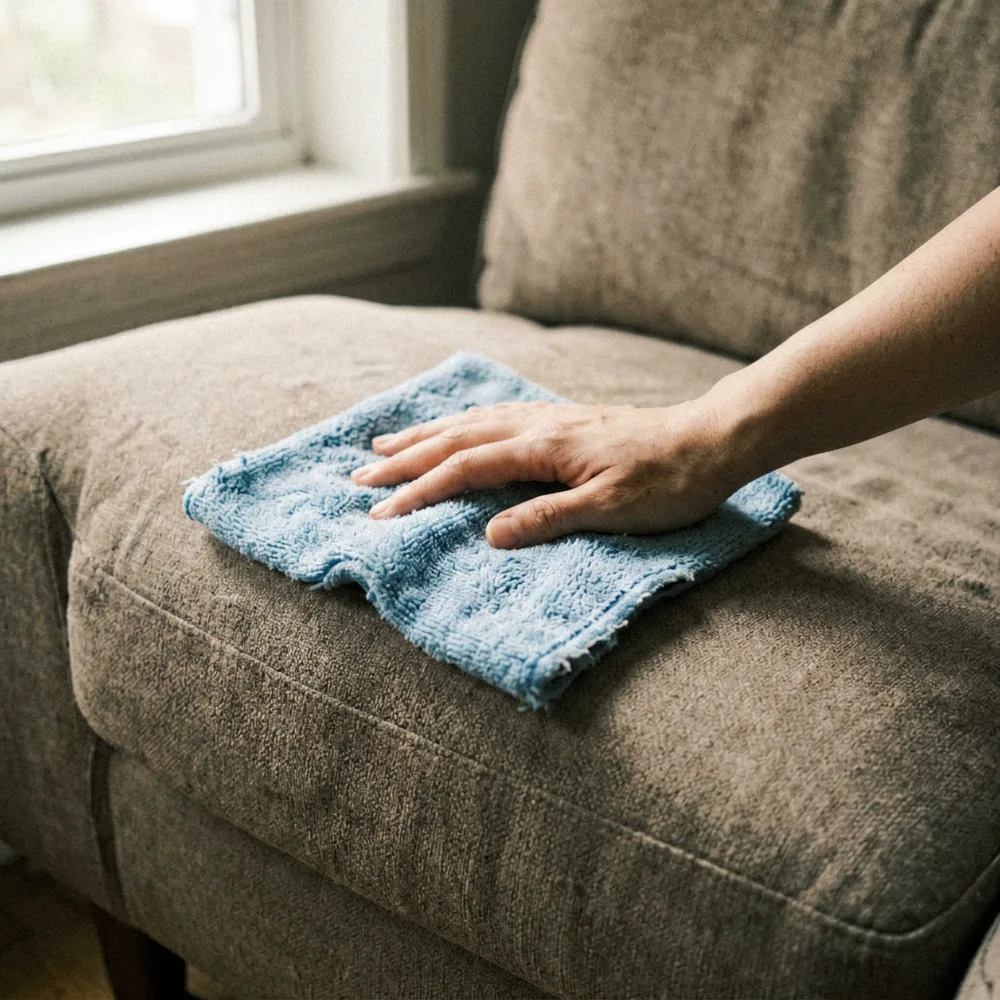
Step 1: Prepare Your Workspace and Gather Equipment
Clear a flat surface large enough to lay out each cushion fully — ideally a section of bare floor measuring at least 2 metres by 2 metres. In Singapore's humid climate, avoid working on carpeted areas, as this introduces competing dust particles into your cleaning process. Lay down an old sheet or a large plastic garbage bag to catch dislodged debris.
Assemble the following tools before you begin:
- A vacuum cleaner fitted with a HEPA filter rated at 99.97% filtration at 0.3 microns. Models such as the Dyson V15 Detect or Miele Complete C3 SBC are suitable choices, retailing between USD 400 and USD 750.
- Removable cushion covers and an iron or steam cleaner capable of producing steam at temperatures above 60°C.
- White vinegar, mild liquid detergent, and a basin that holds at least 10 litres.
- A fabric-safe allergen spray, such as those containing benzyl benzoate or denatured alcohol, priced around USD 12 to USD 25 per bottle.
- Pillowcases or breathable cotton encasements rated to block particles as small as 1 micron, available from online retailers for approximately USD 15 to USD 30 each.
- A soft-bristle brush and a clean microfiber cloth.
Step 2: Strip and Pre-Treat Cushion Covers
Remove all cushion covers from your sofa. Most modern sofa care routines begin here, as trapped allergens live predominantly in the fabric layers rather than the inner foam. Shake each cover outdoors on a clothesline or over a trash bin to dislodge loose dust before bringing it inside. Inspect the labels — if the cover is machine-washable at 60°C or above, proceed directly to washing. If the fabric is delicate or dry-clean only, you will need an alternative approach.
For machine-washable covers, load them into your washing machine without overcrowding. Add one cup of white vinegar alongside your regular detergent. Vinegar lowers the pH of the wash water, which disrupts the exoskeletons of dust mites and neutralises allergenic proteins known as Der p 1 and Der f 1. Run the cycle on hot water for a minimum of 30 minutes. After washing, tumble-dry the covers on the highest heat setting your fabric allows for at least 15 minutes — sustained heat above 55°C kills mites within six minutes.
For delicate or non-washable covers, prepare a hand-wash solution using lukewarm water and a small amount of mild detergent. Submerge the covers and agitate gently for five minutes. Rinse thoroughly three times until the water runs completely clear. Do not wring the fabric — press out excess water instead, as aggressive twisting can damage fibre integrity. Lay the covers flat on a drying rack in direct sunlight for four to six hours. Ultraviolet light from natural sun exposure provides a secondary mite-killing effect, reducing population counts by an estimated 40% on a clear day.
Step 3: Deep-Vacuum the Cushion Cores
With the covers removed and set aside, turn your attention to the bare foam or fibre-fill cores. Position the HEPA vacuum nozzle directly against the cushion surface and work in slow, overlapping strokes at a pace no faster than 5 centimetres per second. Fast movements reduce suction effectiveness and allow mites and their waste particles to escape the vacuum stream. Pay particular attention to crevices, seams, and the corners where dust accumulates most densely.
Vacuum both sides of each cushion for a minimum of three minutes per side. For a standard 45 cm by 45 cm by 15 cm seat cushion, this typically extracts between 8 and 15 grams of dust — a volume that sounds surprising but reflects the real accumulation that occurs over three to six months of normal use. Empty the vacuum canister or replace the bag immediately after completing all cushions. Leaving used dust inside the machine allows allergens to recirculate into your indoor air every time you operate it.
If your cushions have removable foam inserts, take them outside and gently beat each one against a hard surface for thirty seconds. This action dislodges deeply embedded mites from the foam matrix before the vacuuming step, improving overall extraction efficiency by up to 25%.
Vacuum Wash Sun
!Vacuum, Wash, and Sun-Dry: The Complete Protocol for Eradicating Dust
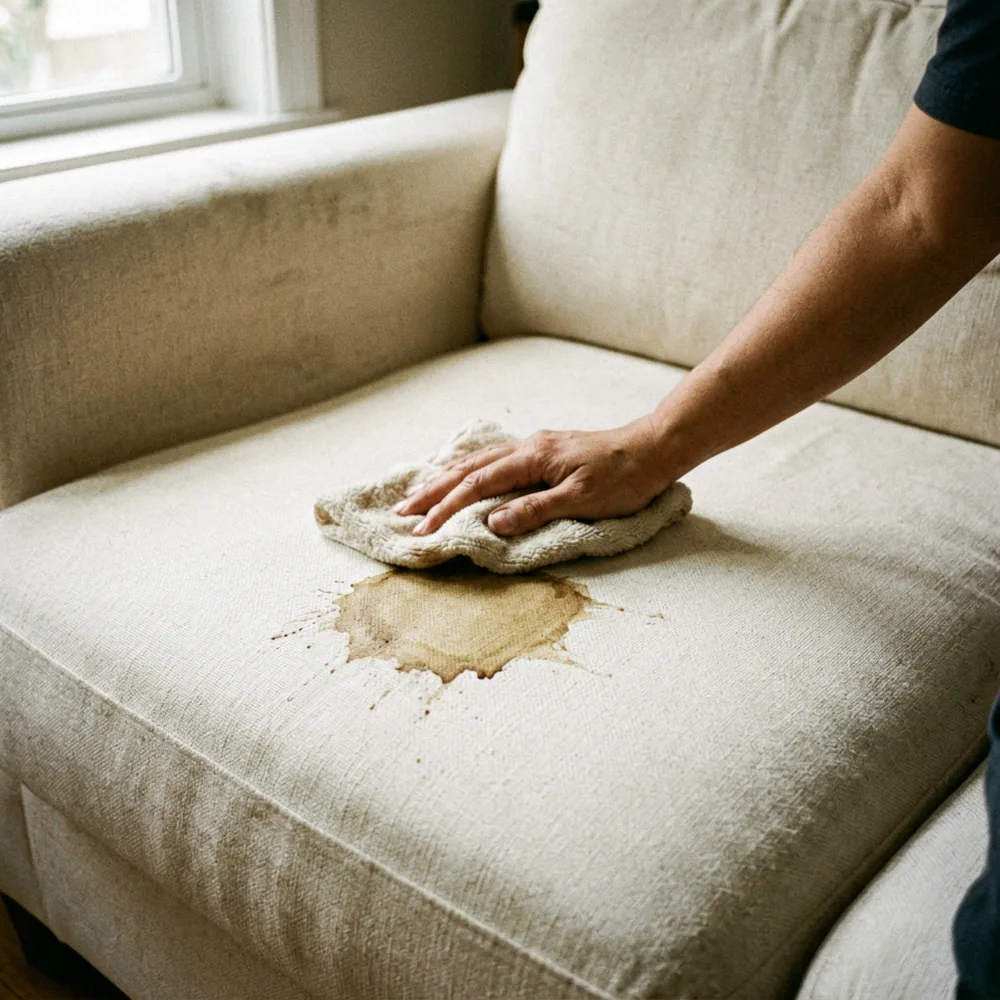
Step 4: Apply a Thermal or Chemical Mite Treatment
After vacuuming, some mites and allergen particles may remain embedded in the foam. Address this with one of two methods depending on your comfort level and the cushion material.
Heat treatment: Use a garment steamer held 2 to 3 centimetres above the cushion surface. Move the steamer head in slow, deliberate passes across the entire face of each cushion, ensuring every zone receives at least ten seconds of direct steam exposure. The target surface temperature should reach 65°C to 70°C. This method is safe for memory foam, polyurethane foam, and synthetic fibre fills. Natural latex foam can also tolerate this temperature range without degradation.
Chemical treatment: If steam is unavailable, apply a fabric-safe allergen spray evenly across both sides of each cushion core. Hold the spray nozzle approximately 20 centimetres from the surface and mist until the fabric is lightly damp but not saturated. Allow the treated cushions to air-dry completely in a well-ventilated room before reassembly. Proper drying typically takes two to four hours in Singapore's ambient conditions.
Step 5: Reassemble and Protect
Once all cushion cores and covers are completely dry, remount the covers onto the inserts. Smooth out any wrinkles or folds that could create pockets where dust resettles. Insert each cushion back into its designated seat position.
Now apply the most critical long-term defence: slip each reassembled cushion into a certified allergen-impermeable encasement. These covers feature micro-pore membranes with openings smaller than 10 microns, which physically block dust mites and their allergenic faecal pellets from penetrating the barrier. A quality encasement costs between USD 20 and USD 40 and can remain in place for up to twelve months before replacement is necessary. Brands like MIDHILL, a Foshan solid-wood specialist that started in 2008 and backs every frame with a 10-year structural warranty, recommend encasements as a standard part of routine furniture maintenance in tropical climates where mite populations persist year-round.
Schedule a follow-up vacuuming session every fourteen days using the same HEPA-equipped machine. Every six months, remove and launder the encasements according to the manufacturer's instructions. Replace any encasement that shows tears, unzipping failures, or visible wear.
Common Mistakes to Avoid
- Using a vacuum without a HEPA filter. Standard household vacuums exhaust fine particulate matter back into the room air, spreading allergens rather than removing them. This mistake negates the entire cleaning effort and can trigger acute allergy symptoms in sensitive individuals. Always verify the filter rating before purchasing or using a vacuum for this purpose.
- Under-drying cushion covers before reassembly. Moisture trapped inside a cushion core creates an ideal breeding environment for dust mites and promotes mould growth. In Singapore's humidity, even slightly damp foam can reach problematic moisture levels within 48 hours. Ensure every layer is bone-dry — perform a tactile check by pressing the fabric against the back of your wrist; if you feel any coolness or dampness, continue air-drying.
- Skipping the sunlight step for washable covers. While machine drying on high heat is effective, skipping the UV exposure window means you miss a free and potent secondary mite-killing treatment. On a sunny Singapore morning, a three-hour sun-drying session can reduce residual mite counts by nearly half compared to machine drying alone.
- Neglecting the sofa frame and crevices. Cleaning only the cushions while ignoring the wooden or upholstered frame beneath them leaves behind a reservoir of shed skin cells and mite debris that will recolonise your freshly cleaned cushions within weeks. Vacuum the base, armrests, and gaps between seat and back cushions using a narrow attachment nozzle.
- Assuming one cleaning session solves the problem permanently. Dust mite populations rebound rapidly in tropical environments. Without a consistent maintenance schedule of biweekly vacuuming and semi-annual deep cleaning, your allergen levels will return to pre-cleaning states within eight to twelve weeks. Consistency is the single most important factor in long-term success.
!Vacuum, Wash, and Sun-Dry: The Complete Protocol for Eradicating Dust
Final Notes for Singapore Households
Your sofa is more than a piece of sectional sofa furniture — it is a living ecosystem that requires active management in a climate where dust mites reproduce continuously. By committing to the five-step protocol outlined above, you are making a measurable difference in your indoor air quality and reducing the frequency and severity of allergy symptoms for everyone in your home. The initial investment of time and effort — approximately two hours for a three-seater set — pays dividends throughout the year. Pair this routine with regular humidity control using a dehumidifier set to maintain indoor levels below 60%, and you will create an environment where dust mites struggle to survive. Your cushions, and your respiratory system, will thank you.
Because mites thrive in fabric, preferring a leather sofa in the bedroom or investing in eco-friendly furniture with washable, allergen-blocking covers is a smart long-term play. For the fabric sofas you keep, a durable furniture grade cover that unzips and machine-washes every season keeps the ecosystem in your living room furniture under control.