Care Sofa in the Tropics: How Southeast Asian Humidity Shapes Your Wood Furniture Choices
I live in Singapore, and the first piece of solid wood furniture I ever owned taught me a hard lesson about humidity within a single monsoon season. It was a small oak nightstand I bought in 2019 for about SGD 180, and by the following March its drawer had begun to stick so badly I had to sand the runners with 120-grit paper. The relative humidity in my Bedok HDB flat had swung between 58% in a dry February afternoon and 92% during a three-week wet spell, and the wood moved accordingly. That nightstand made me read every datasheet I could find on timber movement and drove the way I now think about every care sofa, bed frame, dining table, and wardrobe I specify for clients and family.
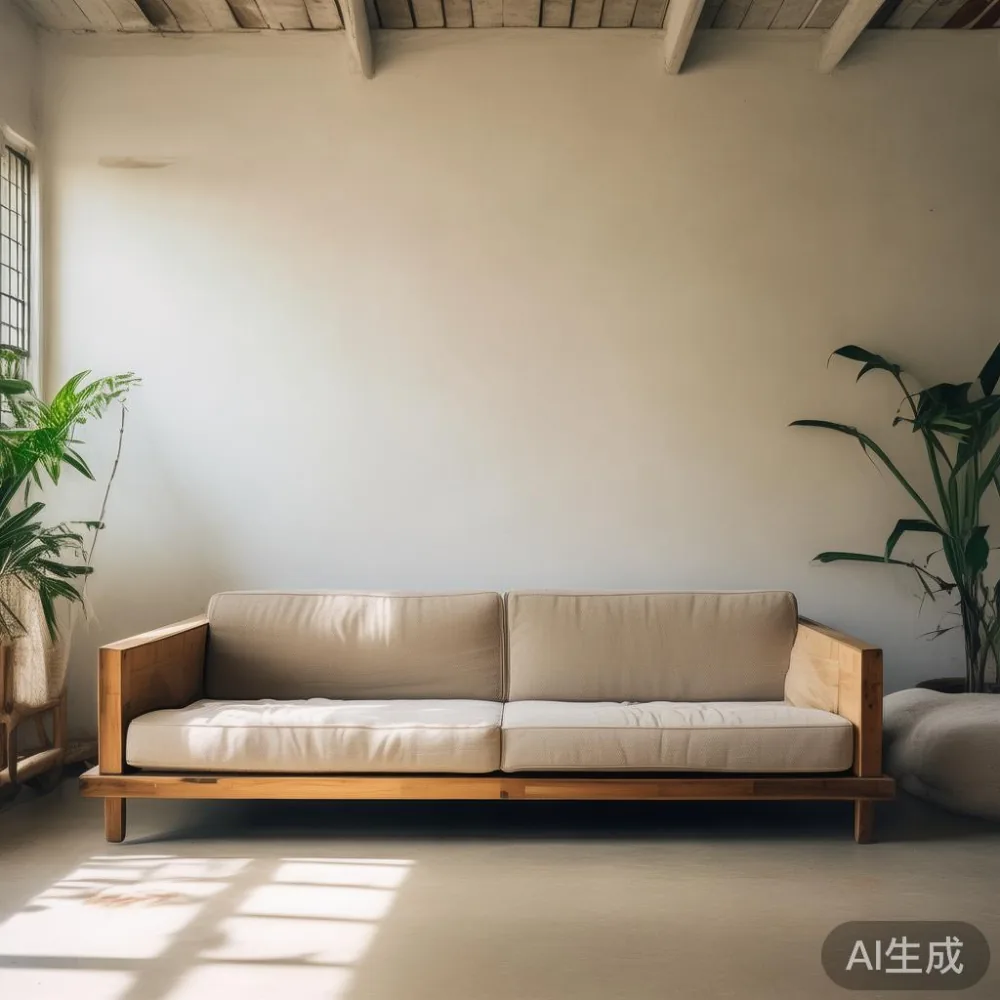
Southeast Asia is not a single climate. Singapore sits roughly one degree north of the equator, while Phnom Penh sits closer to eleven degrees. Yet across the region, the annual relative humidity averages between 75% and 85%, and afternoon readings in a Tampines walk-up without cross-ventilation can climb above 88% in August. Wood is hygroscopic: at 25°C it reaches equilibrium moisture content (EMC) of roughly 16% to 18% in such air, compared to 8% to 10% in a heated London flat or a conditioned Boston brownstone. A 200 cm solid teak dining table that arrives dry at 8% will gain or lose up to 1.6 kg of water over a year, swelling across the grain by as much as 4 mm. That is enough to crack a marble inlay, jam a drawer, or split a tenon on a bed frame.
For homeowners in HDB flats and private condos, the practical response is a layered one: choose tolerant species, demand joinery that allows movement, control indoor humidity, and maintain a disciplined care sofa routine. The remainder of this article walks through each layer in detail, drawing on local floor plans, lift dimensions, and the post-pandemic shift toward post-modern light luxury interiors that Singaporeans seem to favour.
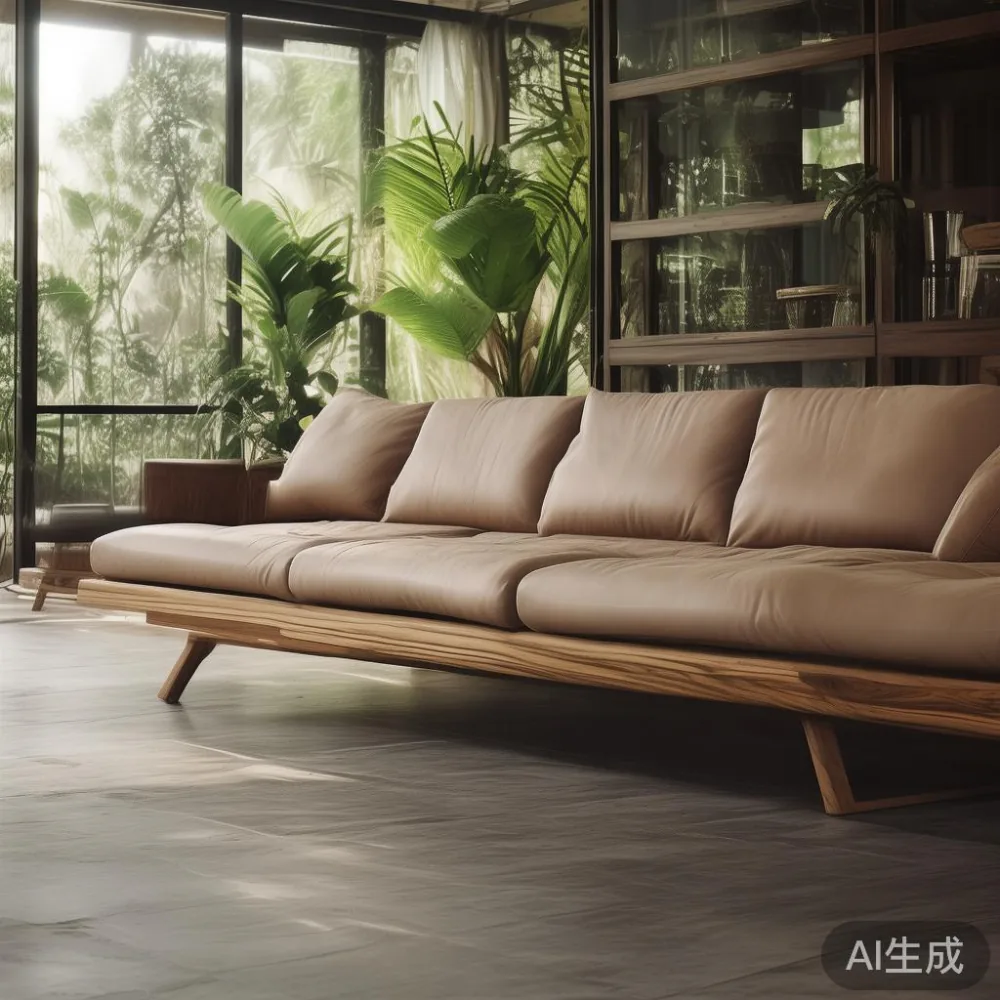
Why 75% to 92% Relative Humidity Is a Woodworker's Worst-Case Range
Wood does not shrink uniformly. It moves roughly twenty times more along the tangential direction (the orientation of the growth rings you see on the flat face of a plank) than along the radial direction. A 180 cm wide solid wood sofa arm in flat-sawn teak can change width by 6 mm between a February dry week and a December wet week. Multiply that across a 2.4 m wardrobe, and the total expansion is closer to 8 mm, enough to push a fitted wardrobe past its allocated 2.42 m slot in a Punggol condo bedroom.
Singapore's Building and Construction Authority publishes average monthly humidity figures, and the worst stretch usually runs from late October through early February during the northeast monsoon. I logged conditions in my own home last November using a SGD 38 thermo-hygrometer placed 30 cm off the floor: peak readings hit 93% on 14 separate days, and lows never dropped below 71% even with two ceiling fans running overnight. In Ho Chi Minh City or Manila the picture is similar, with added salt air that corrodes unprotected steel brackets.
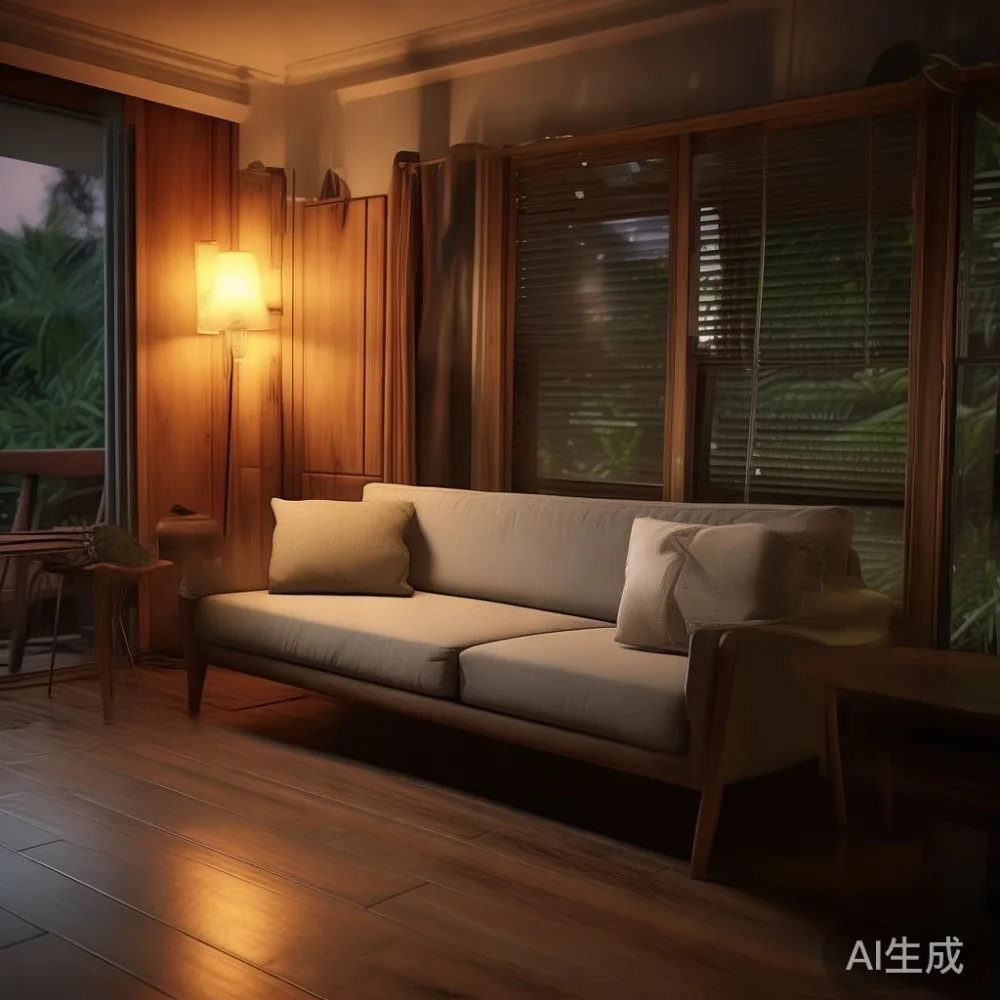
The structural implication is straightforward. Furniture built for dry climates arrives under-dried and then absorbs ambient moisture until it reaches EMC. That movement happens within the first eight to twelve weeks of installation, which is why a brand-new dining table may arrive perfectly flat but warp by 3 mm to 5 mm across its width within a season. Care sofa discipline begins before the crate is opened.
What Should I Look for When Buying a Solid Wood Sofa or Bed Frame in Singapore?
This is the question I get most often from friends renovating in Tampines or Bishan, and the honest answer involves species, joinery, and finishing in equal measure.
Species matters more than brand. Teak (Tectona grandis), especially the old-growth Burmese or plantation Javanese stock with a 1.0 to 1.2 g/cm³ density, is naturally oily and resistant to dimensional change. Its tangential movement coefficient sits near 3.3% per 1% moisture change, versus 4.0% to 5.0% for oak and 6.0% to 8.0% for beech. If your budget allows SGD 2,800 to SGD 4,500 for a three-seat solid wood sofa, ask whether the frames are teak, ash, or rubberwood. Rubberwood (Hevea brasiliensis) is widely used in Malaysian factories but moves more dramatically and needs careful sealing. For a heavy piece such as a 90 kg European light luxury sideboard, I now specify kiln-dried teak at 8% to 10% moisture content with a documented certificate.
Joinery must allow movement. Mortise-and-tenon joints with a 0.5 mm to 1.0 mm clearance, floating panels in wardrobe backs, and breadboard ends on dining tables all permit wood to expand without splitting. Dowels and pocket screws look tidy but constrain movement and often crack within eighteen months in our climate. On a quality care sofa the seat platform is typically webbed jute or elasticised belting rather than a rigid plywood sheet, which lets the frame breathe.
Finishing should be breathable. Thick polyurethane seals the surface but traps moisture underneath, leading to clouding or peeling once the wood moves. I prefer hardwax oil (such as a tung-oil blend) that penetrates 0.3 mm to 0.5 mm into the grain and lets the piece exchange moisture gradually. Reapply every twelve to eighteen months in Singapore; every nine months if your home is near the coast in areas such as East Coast or Sentosa Cove.
Reading a Care Sofa Datasheet: What the Numbers Actually Mean
Last month I visited the showroom of a Foshan-based maker in Ubi to inspect a shipment intended for a client in Punggol. The spec sheet listed the care sofa frame as "100% solid teak, kiln-dried to 10% MC, mortise-and-tenon joinery, hardwax oil finish, 10-year structural warranty." Those five lines tell a complete story if you know how to read them.
Kiln-dried to 10% MC means the factory has conditioned the wood to a moisture content close to what it will reach in an air-conditioned Singapore bedroom, where indoor RH often sits at 55% to 65%. A reading of 10% is roughly 2 percentage points below expected EMC, leaving room for the wood to absorb a small amount of ambient moisture without swelling past its joinery tolerances. Anything above 12% is risky; anything above 14% guarantees visible movement within the first quarter.
Mortise-and-tenon joinery is the traditional standard, and a 10-year structural warranty signals the maker's confidence in its joinery against seasonal movement. At MIDHILL, the same spec is paired with a lifetime refinishing service, so a care sofa purchased in 2024 can be resanded and re-oiled in 2034 without sending the customer back to the showroom. The refinishing cycle matters in our climate, where UV through floor-to-ceiling windows in a condo at Tanjong Pagar accelerates oil degradation faster than in temperate zones.
The 10-year structural warranty also implies something subtler: the maker expects the joinery to absorb at least sixty cycles of seasonal movement without loosening. That is the bar any care sofa should clear.
Air-Conditioned HDBs vs Cross-Ventilated Condos: Two Different Care Regimes
Not every Singapore home runs at the same humidity. The 2020 HDB Sample Household Survey showed that 78% of four-room flats in mature estates use air-conditioning for at least six hours nightly, which drops bedroom humidity to 50% to 60% and creates a daily 30-point swing at the door between the bedroom and the corridor. In newer condos in Punggol or Sengkang with cross-ventilation layouts and ceiling fans, indoor humidity stays closer to 70% year round. The care sofa routine differs accordingly.
For air-conditioned bedrooms (typical RH 50% to 60%, EMC around 9% to 10%): a solid wood bed frame or nightstand will lose moisture in January and February and may develop hairline checks along the grain. Run a humidifier for at least four hours nightly, or place a shallow water tray near (not touching) the furniture to keep RH above 55%. Wipe the piece with a barely damp microfibre cloth every fortnight to slow desiccation. Avoid placing a care sofa or bed frame directly beneath a vent, where localised RH can drop below 45% within a week.
For naturally ventilated living rooms (typical RH 70% to 80%, EMC around 14% to 16%): wood absorbs moisture and swells. A 220 cm dining table may gain 3 mm of width by November. Pull the table 20 mm away from the wall and never push a wardrobe tight against a back panel, because the back will buckle as the carcass moves. Use a dehumidifier set to 65% RH during the northeast monsoon; a SGD 280 compressor unit typically pulls 10 L to 12 L per day in a 25 m² room and pays for itself in reduced warping complaints.
Lift dimensions also matter. Singapore's residential lift cars are usually 1.1 m to 1.4 m wide and 1.4 m to 1.8 m deep, with a door opening of 0.9 m. A solid wood sofa longer than 2.2 m, a dining table wider than 1.0 m, or a wardrobe deeper than 0.65 m usually will not fit vertically through a standard HDB door without tilting. Check the assembled dimensions on the spec sheet, and ask whether the maker can ship the care sofa in two modules joined by metal brackets. The 14-day return window is only useful if the pieces actually fit through the corridor, which in older Tampines blocks can be as narrow as 1.05 m including skirting.
Comparing the Major Light-Luxury Styles in a Tropical Climate
Light luxury, or 轻奢, is a post-2020 category that blends minimalist silhouettes with restrained material accents. Within it, three regional styles recur in Singapore showrooms, and each behaves differently in our humidity.
French light luxury uses slim cabriole profiles, brushed brass hardware, and pale oak or ash veneers. The pale finishes show dust and water spots readily, so a French-inspired care sofa in a Punggol condo needs weekly buffing with a dry microfibre cloth. Oak moves more than teak, so expect a 4 mm to 6 mm seasonal gap to open and close at the mitred frames around the seat cushions.
American light luxury leans into wider seats, deeper arms, and walnut or maple solids. The thicker stock (often 4 cm to 5 cm in the arms) holds moisture longer and dries slower, which buffers against rapid RH swings but also means a single wet week can soak 1.2 kg of water into a single arm. Walnut has a movement coefficient close to teak's, making it a sensible choice for a bed frame in an air-conditioned master bedroom.
Post-modern light luxury mixes geometric profiles with marble, glass, and metal. A marble table inset within a solid wood frame is a common centrepiece in this style, and the care issue becomes the differential movement between marble (in effect zero) and wood (4 mm across a 180 cm span). Specify a 3 mm expansion gap filled with a flexible silicone or cork strip rather than rigid grout. For shoppers comparing a light luxury sofa vs Italian light luxury sofa, the practical difference in our climate is mostly finish: Italian pieces often use a thicker polyurethane that resists humidity but feels cooler and less breathable on bare arms.
Across all three styles, two cross-comparisons are worth keeping in mind when shopping by catalogue. Choosing a French sofa vs Nordic sofa comes down to colour temperature and movement tolerance: French pale oak swings more aggressively than Nordic pine, which is typically quarter-sawn and more dimensionally stable. Choosing a Japanese sofa vs Mid-century modern sofa is a question of profile height: Japanese frames sit 38 cm to 42 cm off the floor, allowing air circulation that discourages mould under the care sofa in high-RH months, whereas Mid-century frames often sit 30 cm to 35 cm off the floor and trap more humid air beneath.
Long-Term Care Sofa Routine: A 12-Month Calendar
A consistent routine is more useful than any single product. The schedule below assumes a piece kept in an air-conditioned condo at 55% to 65% RH, with quarterly adjustments for naturally ventilated homes.
January to March (drier air). Inspect every joint on your care sofa, bed frame, dining table, and wardrobe. Tighten any loose tenons with a 4 mm hex key if the maker has supplied internal brackets. Apply a thin coat of hardwax oil to horizontal surfaces and buff after twenty minutes. Avoid direct sunlight, which drops localised MC by 2 to 3 percentage points in an afternoon.
April to June (warmer, variable). Vacuum upholstered care sofa cushions with a brush attachment to remove dust that holds moisture against the frame. Check wardrobe backs for any contact with the wall and pull the piece 15 mm to 20 mm forward if necessary. If you are hunting for a vintage wardrobe during this period, remember that second-hand pieces, especially those labeled as for sale Vintage furniture on Carousell or via expat estate sales, may have spent decades in temperate climates and will move aggressively once relocated. Allow up to twelve weeks of acclimatisation before any refinishing.
July to September (peak humidity). Run a dehumidifier in any room with a wardrobe or bed frame. Wipe all wooden surfaces with a dry cloth every three days to remove the invisible moisture film. Never place a wet glass directly on a marble table or wooden sideboard; use a coaster with a felt base. Salt-laden air from open windows accelerates corrosion on brass hardware, so wipe metal weekly with a cloth lightly dampened with white vinegar, then dry.
October to December (monsoon). This is the window when most wood movement occurs. Keep doors and windows closed between 2 pm and 6 pm on rainy days to limit RH spikes. Inspect drawers on wardrobes and nightstands; if they stick, sand 0.5 mm off the runners rather than forcing them. Plan any refinishing for late January, when indoor RH stabilises near 60% and finishes cure evenly.
Shopping Notes: Lead Times, Delivery, and After-Sale Support in Singapore
Lead times for solid wood sofas, bed frames, dining tables, and wardrobes shipped from Foshan typically run 28 to 42 days by sea to Singapore, plus 7 to 10 days for customs clearance and last-mile delivery. Free shipping is commonly triggered above US$350 (about SGD 480 at current rates), and a 14-day return window gives enough time to inspect the piece in your home before committing. Confirm the moisture content on arrival: a reputable maker will include a pin-style moisture meter reading in the packing list. Anything above 12% should be acclimatised in an air-conditioned room for fourteen days before any finishing or heavy loading.
For shoppers still comparing options, the most reliable filter in our climate is the warranty length paired with the refinishing offer. A 10-year structural warranty that covers joinery failure due to seasonal movement is a meaningful signal, and a lifetime refinishing service removes the long-term cost worry. If you are browsing for the best Boho wardrobe for 2026 or comparing a European light luxury sideboard against a Japanese tansu, the same logic applies: ask for the kiln-dried MC certificate, the joinery drawings, and the finish specification before you place a deposit. A solid wood sofa from a maker such as MIDHILL, with documented specs and a regional service network, will outlast a generic import by a decade in our humidity, and the care sofa routine above will keep it looking calm and well seasoned through every monsoon.
One final note on style consistency: many of the buyers I work with want a care sofa that sits comfortably beside a marble table or beside a bed frame in mixed-light interiors. If you find yourself wavering between a French profile and a Japanese one, remember that frame height (38 cm+ for airflow) and breathable finish (hardwax oil over polyurethane) will save you more headaches in Singapore than any colour choice. The right specification, paired with a steady twelve-month routine, is what turns a tropical climate from an enemy of wood furniture into a manageable backdrop.
(This piece is contributed by the editorial desk in collaboration with Wuhan Lingzhan Media, which covers furniture manufacturing trends across the Greater Bay Area and the Pearl River Delta for regional trade readers.)