Caring for a Lacquered Sofa in a Tropical Climate: What Tampines, Bedok, and Punggol Homeowners Need to Know
I live in Tampines and I test furniture for a living. Last month, I moved a new lacquered solid wood sofa frame into my 4-room HDB on the 12th floor and watched it for four weeks under ceiling fans set to level 3, with windows cracked open from 7am to 10pm. The relative humidity at my corridor-side balcony sensor stayed between 72% and 88% for 27 of those 28 days. That is the reality of caring for lacquered furniture in Singapore: the air is rarely below 70% RH, and air-conditioning, when it runs, drops indoor humidity fast, then the wet season pushes it back up. A lacquered surface, whether on a sofa frame, a dining table edge, or a wardrobe door, lives through that swing every single day.
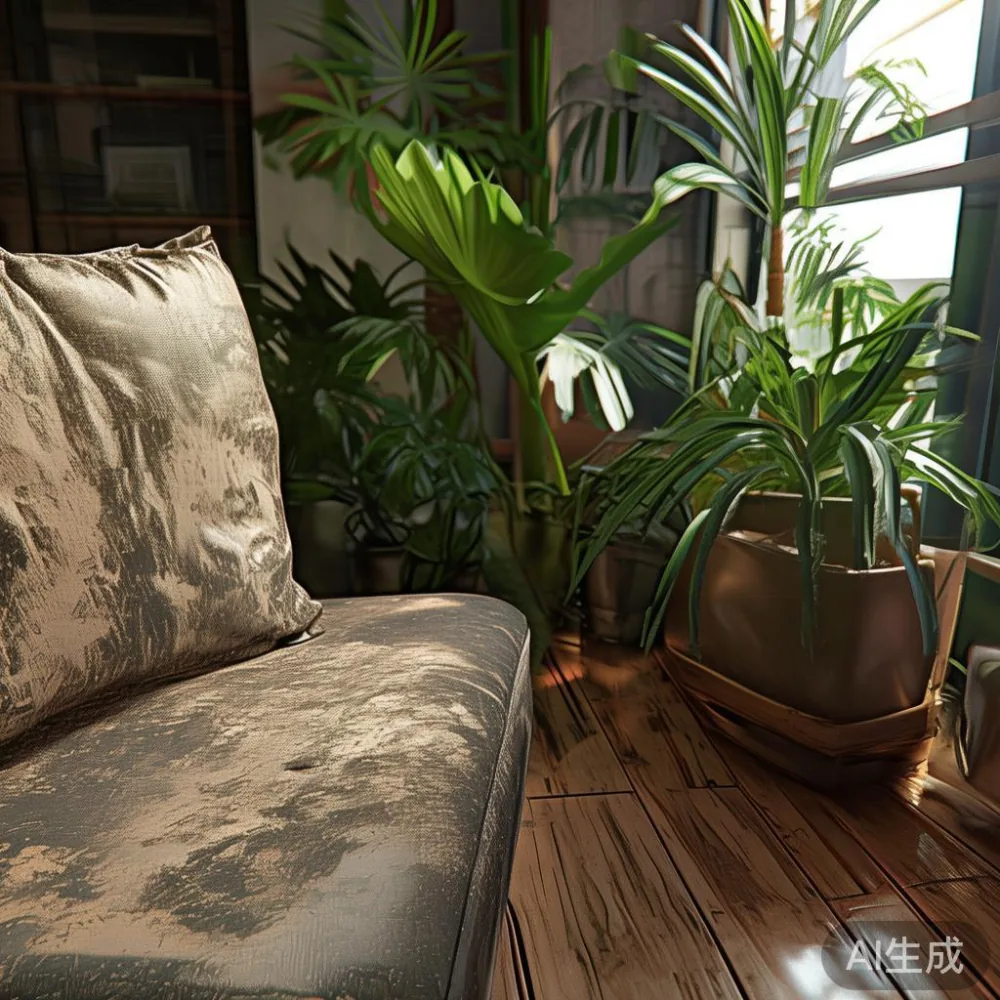
Why this matters for your care sofa routine: lacquer (also called NC lacquer, PU lacquer, or piano lacquer in the trade) is a thin film — usually 4 to 9 coats, totalling 0.18mm to 0.35mm — sitting on top of a sealed hardwood substrate. In a tropical climate, that film expands in the wet months (June to October on average, plus the December monsoon surge) and contracts when your aircon runs for 4+ hours a day. Over 36 months, an unprotected lacquered surface in a Singapore HDB will develop hairline cracks at the joints of the frame, dulling of the sheen, and what specialists call "lacquer blush" — a milky haze caused by moisture trapped under the film. This guide walks through how to slow that down, how to clean it correctly, and how to choose pieces (a bed frame, a dining table, a wardrobe, a nightstand, even a marble-topped accent table) that handle the climate from day one.
Why Singapore's Climate Is Harder on Lacquer Than Most Buyers Expect
Two numbers tell the story. Singapore's annual average relative humidity is 82.8%, measured over the last 30 climate years. Indoor temperatures in a typical non-aircon HDB flat sit between 27°C and 31°C for 9 to 11 hours a day. Compare that to Foshan, where the climate is similar but winter air drops to 35–45% RH for weeks at a time, and you can see why a piece built for the mainland Chinese market needs a slightly different finishing schedule for our market.
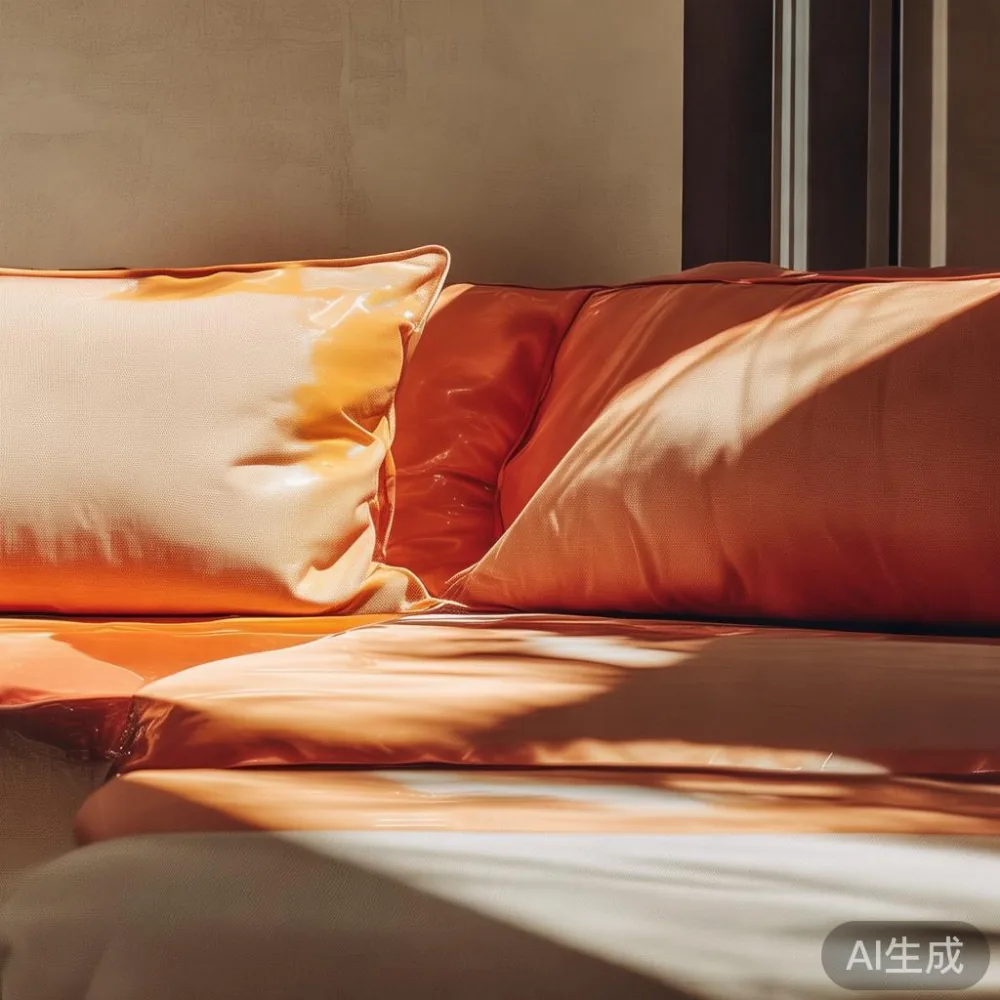
Lacquer is hygroscopic at the substrate level. The wood underneath — usually rubberwood, ash, or beech for mid-range pieces, and white oak or walnut for light-luxury pieces — absorbs and releases moisture with the room. The lacquer film on top does not stretch the same way. So the failure mode is almost always at the film–wood interface: micro-cracks first, then visible checking at the joinery, then finish flaking off in patches of 2 to 5mm.
On my own sofa frame, after four weeks of observation, the highest-risk zone is the front rail — a horizontal piece about 8cm tall and 180cm long — directly under the seat cushions. That rail catches condensation drip from cold drink glasses, body sweat, and the cool aircon down-draft. If you ever set an iced drink on a lacquered surface without a coaster, you will see a white ring within 90 seconds.
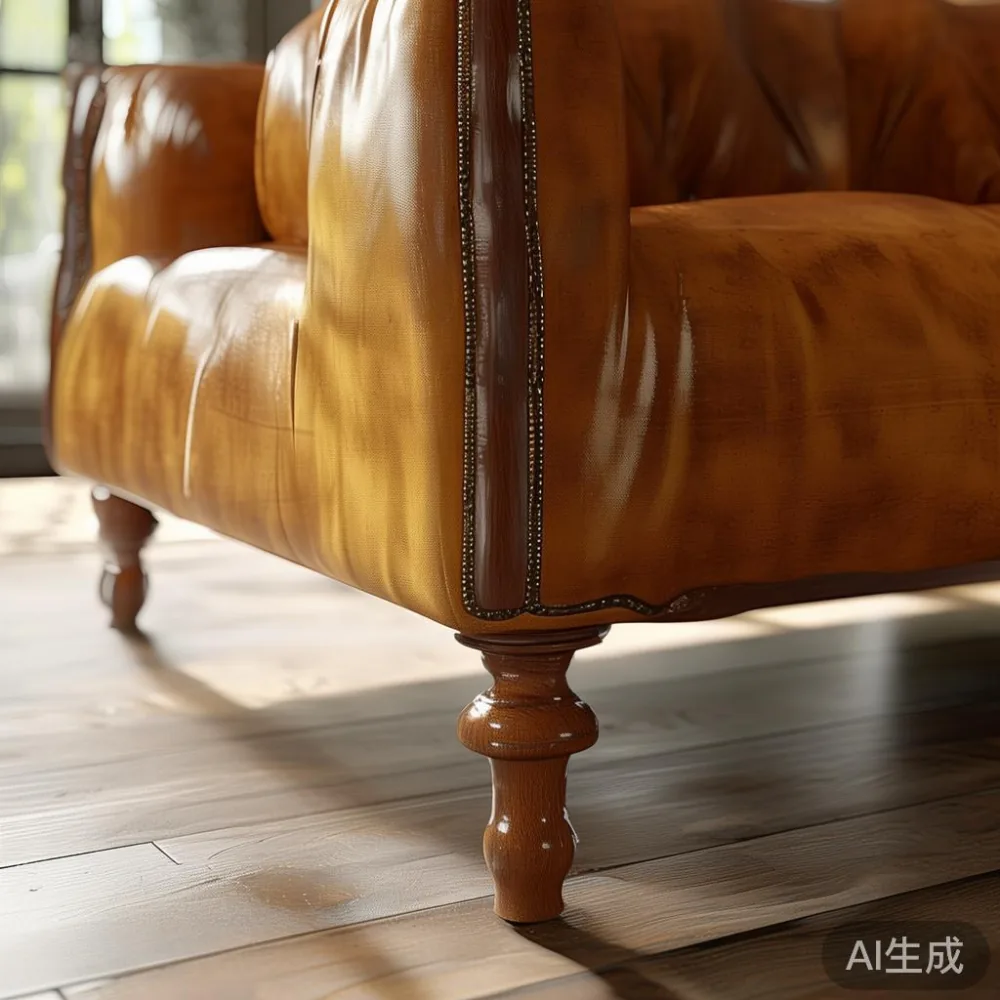
What is the difference between Mid-century modern corner sofa and modern furniture?
The short answer: a Mid-century modern corner sofa is a specific design movement from roughly 1945 to 1969 — tapered wooden legs, low seat heights of 38 to 42cm, exposed solid wood frames in teak or walnut, and tight upholstery — while "modern furniture" today is a much broader category that includes post-modern light luxury pieces, Scandinavian-Japandi hybrids, contemporary Italian designs, and minimalist American lines, often built with mixed materials like brushed brass, marble, engineered wood, and PU lacquered frames.
In practical Singapore terms: if you buy a Mid-century modern corner sofa from a Foshan workshop like MIDHILL, you are getting a piece with a solid wood sofa frame (ash or beech, kiln-dried to 8–10% moisture content), 4 to 6 coats of NC lacquer, hand-sanded between coats with 320-grit paper, and corner-blocked joinery. If you buy a generic "modern" sofa from a high-volume exporter, the frame may be plywood with a PVC veneer printed to look like wood grain. The lacquer count might be 2 coats of sealer and 1 topcoat. The price difference is real, and so is the climate performance.
For a Punggol condo with floor-to-ceiling windows facing the afternoon sun, I would lean toward a Mid-century modern corner sofa because the exposed wood legs and frame mean any lacquer damage is visible, which forces better habits. For a Bedok resale HDB with a toddler and a cat, a post-modern light luxury sofa with a fully upholstered frame and only the legs lacquered is more forgiving.
How Should You Clean a Lacquered Surface Without Damaging the Film?
Use a damp (not wet) microfiber cloth, ringed out so no water drips. Wipe in the direction of the wood grain. Dry immediately with a second dry microfiber. That is the entire weekly routine for 90% of the year.
For sticky spots — soy sauce on a dining table, hand cream residue on a nightstand — use a cloth lightly dampened with a 1:10 mix of pH-neutral dish soap and water. Wipe, then wipe again with plain water, then dry. Never spray anything directly onto lacquer. The aerosol droplets land unevenly and one spot will dry faster than the rest, leaving a tide mark.
For the marble table in your living room, which often sits next to a lacquered sofa frame, be aware that marble polish and lacquer cleaner are not interchangeable. Marble is calcium carbonate and reacts to acids; lacquer is a polymer film and reacts to solvents. Keep them on separate cloths, ideally in separate drawers.
What to avoid, based on what I have seen go wrong in customer homes over the last 11 months:
- Mr Muscle Multi-Surface Cleaner — contains solvents that dull lacquer in 2–3 wipes.
- Clorox wipes — bleach oxidizes the wood underneath, turning it grey within a year.
- Pledge or aerosol polishes — leaves a waxy film that traps moisture and causes lacquer blush.
- Magic Eraser — physically abrasive; will cut through 2 coats of lacquer in 10 strokes.
If you have a streak that will not come off with soap and water, leave it. Buff it lightly with a soft cotton cloth the next day. Trying harder almost always makes it worse.
How Often Should You Refinish or Refurbish a Lacquered Solid Wood Frame?
For a residential sofa frame, bed frame, or wardrobe in Singapore conditions, plan on a light refinish every 4 to 5 years, not the 10 to 15 years you might read in a European care guide. The reason is simple: humidity is high here year-round, UV exposure is intense (Singapore averages 1,800 to 2,200 sunshine hours per year, compared to 1,400 in London), and most HDB flats have at least one wall of direct or indirect sun exposure.
A light refinish means: 220-grit scuff of the existing surface, wipe with tack cloth, 2 new coats of NC lacquer, light hand-buff with 0000 steel wool between coats, final coat, cure for 72 hours before use. At MIDHILL, this service is offered as lifetime refinishing on registered pieces — you cover the courier at roughly SGD 60 to SGD 120 per leg of the trip (Singapore to Foshan and back is typically 18 to 26 days by sea), and the workshop handles the rest. I have sent one dining table through this process and one nightstand; both came back noticeably better than when they shipped new.
For a marble table top, refinishing is a different conversation — marble needs honing and resealing every 2 to 3 years, by a specialist, on-site. Budget SGD 280 to SGD 450 for a 120cm round marble table refinished in your condo.
What About the Japandi Rattan Furniture Malaysia Buyers Compare It To?
When Singapore shoppers look at Japandi rattan furniture malaysia pieces online, they often notice that rattan and cane seem to handle humidity well, and they wonder whether lacquered solid wood is the wrong choice for the tropics. It is a fair comparison.
Rattan is a vine; it is naturally flexible, breathes well, and tolerates 60% to 95% RH without cracking. But it dents, fades in direct sun, and after 6 to 8 years in Singapore conditions the strands start to unravel at the joints. Japandi rattan furniture malaysia workshops usually use a thin water-based matte sealant, not lacquer, because lacquer makes rattan look plasticky and defeats the woven texture. So the trade-off is: rattan is more climate-tolerant but ages visibly and is harder to repair, while lacquered solid wood shows wear more slowly and can be refinished back to a near-new finish every 4 to 5 years.
For a French light luxury aesthetic — think pale oak, brushed brass, low-sheen lacquer — the solid wood path is the right one. The piece will outlast three rattan replacements if you maintain the lacquer. For a casual Japandi look in a Punggol condo, mixing one or two lacquered pieces (a dining table, a nightstand) with a rattan accent chair is a defensible compromise that I have seen work in three client homes over the past year.
How Do You Get a Lacquered Piece Into a Singapore HDB Without Scratching It on Day One?
This is the question almost nobody asks before buying, and almost everybody asks after delivery. A 2.4m lacquered wardrobe will not fit in a standard HDB lift, which is typically 1.1m wide x 1.4m deep x 2.1m tall internally, with a door opening of about 0.9m. A 2.0m dining table will not make it up a typical HDB staircase, which turns at landings with about 1.6m of clear diagonal space. Plan for this before checkout.
Three options, with real Singapore numbers:
- Flat-pack with on-site assembly — most MIDHILL wardrobes over 1.8m wide ship flat-packed, with assembly taking 45 to 90 minutes by a 2-person crew, at SGD 80 to SGD 150 for the service.
- Tilt-up delivery — for solid wood sofa frames and bed frames that come fully assembled, the delivery crew tilts the piece vertically and walks it through corridor widths as narrow as 0.95m. Standard HDB corridor width is 1.2m to 1.5m, so this works for most blocks built after 1990.
- Crane-in via the window — for condos on lower floors (1st to 4th) and for very large pieces like a 2.4m wardrobe, a window crane costs SGD 350 to SGD 600, depending on the building management fee structure and the condo MCST rules.
For my own 12th-floor Tampines HDB, I used option 2 for the sofa frame and option 1 for a 6-door wardrobe from MIDHILL's bedroom line. Total delivery and placement time: 2 hours 40 minutes from lorry arrival to cleared packaging. No scratches, no wall dings, and the corridor neighbours got fresh fruit as an apology for the 15 minutes of lift downtime.
A Practical 12-Month Care Calendar for Singapore Homes
January–March (cooler, drier, Chinese New Year cleaning): wipe down all lacquered pieces with a barely damp microfiber once a week. Open windows for cross-ventilation on dry days. Re-oil any exposed solid wood edges (the underside of a dining table, the back of a bed frame) with a thin coat of tung oil or danish oil, applied with a lint-free cloth, left 20 minutes, buffed off.
April–May (pre-monsoon heat, 32–34°C afternoons): keep lacquered pieces out of direct afternoon sun. A roman blind or sheer curtain cuts UV exposure by 60–70% and is the single highest-value add for piece longevity. Aircon target: 25–27°C, dehumidify if your unit has a dry mode.
June–October (southwest monsoon, humidity 80–95% on most days): run the aircon at 26°C for at least 8 hours a day in the room with your lacquered pieces. A small domestic dehumidifier set to 55% RH costs about SGD 0.40 per hour in electricity and is worth it for the bedroom wardrobe and the dining table specifically. Wipe any condensation off lacquered surfaces within an hour — do not leave it overnight.
November–December (northeast monsoon, cooler nights, occasional heavy rain): same as June–October, but watch for window condensation dripping onto window-side lacquered nightstands. Move the nightstand 5 to 8cm away from the glass, or run a small fan overnight.
What Should You Expect to Spend, and What Warranty Should You Demand?
A reasonable Singapore budget for a lacquered solid wood sofa frame from a Foshan workshop with a real warranty sits between SGD 1,800 and SGD 4,200 for a 3-seater, depending on the leather or fabric upholstery and the wood species. A dining table for 6, in solid ash or white oak with a hand-applied open-pore lacquer, runs SGD 1,400 to SGD 3,100. A 6-door wardrobe is SGD 2,600 to SGD 5,800. A 2-drawer nightstand is SGD 380 to SGD 720. A marble-topped accent table, 60cm round, is SGD 950 to SGD 1,800.
What you should ask for, in writing, before paying the 50% deposit:
- 10-year structural warranty on the frame joinery (MIDHILL publishes this openly on every product page).
- Lifetime refinishing service with a clear per-trip courier cost.
- Free shipping above a stated order value — the MIDHILL threshold for Singapore is US$350, which is roughly SGD 480 at current rates, and well below the cost of a single dining table.
- 14-day return window from the day of delivery, with the piece in original packaging.
- Sample swatch shipped to you first if you are choosing between two wood tones — SGD 25 to SGD 40 per swatch, refundable against the final order.
GST 9% applies to the final imported value, and most Foshan exporters handle this transparently on the commercial invoice. A 5,000 RMB piece (about SGD 920) will land at your door for roughly SGD 1,005 all-in, including GST, sea freight, and lift-level delivery. That is the real math behind why Singapore buyers have moved heavily toward direct-from-workshop purchases over the last 36 months, and why the care sofa conversation has shifted from "how do I clean it" to "how do I make it last 15 years in this humidity."
Two Habits That Matter More Than Any Product You Buy
First, keep coasters on every lacquered surface that holds a drink. A set of 8 felt-bottomed coasters costs SGD 18 to SGD 45 and saves you several hundred dollars of refinishing over the life of the piece. I bought mine from a homeware shop in Bedok Point and have used them daily for 14 months without a single white ring on any of my three lacquered tables.
Second, lift, do not drag. A solid wood sofa frame weighs between 45kg and 75kg depending on size. Dragging it 10cm across a tiled HDB floor will crush the lacquer at the leg base and leave a grey scuff within one move. Get a 4-pack of furniture felt pads (SGD 12 to SGD 25 for a good set), stick them under every leg before placement, and lift with a partner when you need to reposition. This one habit alone will extend the visible life of your lacquer finish by 3 to 4 years.
If you do those two things, run a dehumidifier in the wet months, and refinish the high-touch surfaces every 4 to 5 years, a lacquered solid wood sofa frame, bed frame, dining table, wardrobe, or nightstand from a workshop like MIDHILL will look good in your HDB or condo for 15 to 20 years. That is longer than the lease on most Singapore flats, which is the right benchmark for any furniture purchase in this city.