Caring for a Lacquered Care Sofa in a Tropical Climate: A Singapore Owner’s Guide
Last month I visited a client in a 980 sqft Punggol condominium who had just taken delivery of a solid wood sofa with a hand-rubbed lacquer finish. She had chosen the piece from a Foshan maker whose workshop I had toured the previous spring — MIDHILL, a 17-year-old factory that ships container loads to Tampines, Bedok, and Bukit Batok every fortnight. Two weeks after delivery, she sent me a voice note: “The armrest looks cloudy after the afternoon thunderstorm. Did I ruin my care sofa?” She had not ruined anything. She had simply run into the most common issue Singapore owners of lacquered furniture face — the meeting of an open-pore lacquer surface and a climate that runs at 28–33°C with 80–90% relative humidity for ten months of the year.
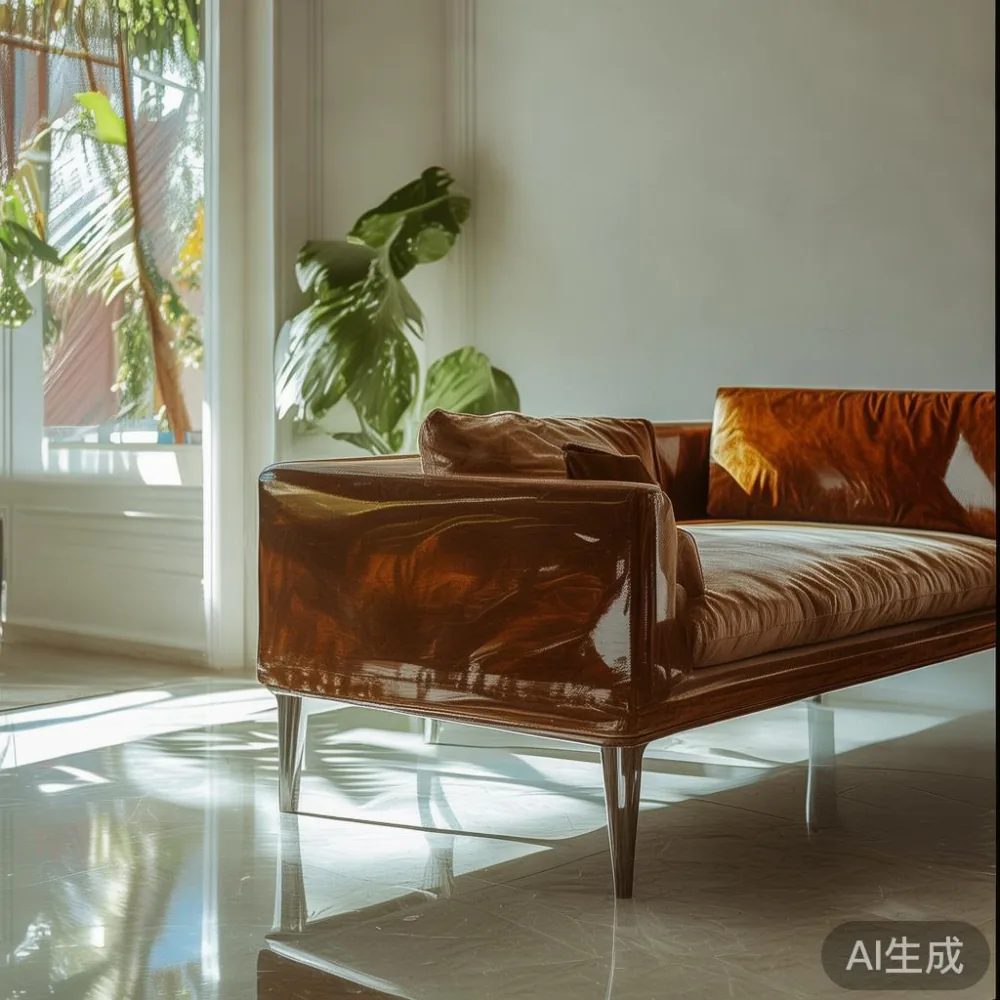
This guide is built around that conversation. It covers what lacquer actually is, why a care sofa behaves differently here than it does in a Beijing or Boston living room, what a Singapore owner can realistically do in a HDB corridor that is 1.2 m wide and a lift car that measures 1.4 m by 1.7 m, and how to set a maintenance routine that fits a city where most of us vacuum on Sunday and mop on Wednesday. I have included prices in SGD, dimensions in centimetres, and one real failure story (mine) so you can avoid my mistake.
What does “lacquered surface” actually mean on a solid wood sofa?
Lacquer, in the context of a Chinese factory like MIDHILL, refers to a nitrocellulose or PU (polyurethane) topcoat sprayed in three to five coats and sanded between each pass. On a solid wood sofa, dining table, or bed frame, the lacquer is the only barrier between a 4–6% moisture-content rubberwood or ash frame and the 80% relative humidity air of a Singapore afternoon. The frame is kiln-dried to roughly 6–8% moisture content before it leaves the Foshan workshop, then crated for the 12–18 day sea voyage to Singapore. By the time the crate is opened on your Tampines loading bay, the wood has usually re-equilibrated to 9–11% local moisture content.
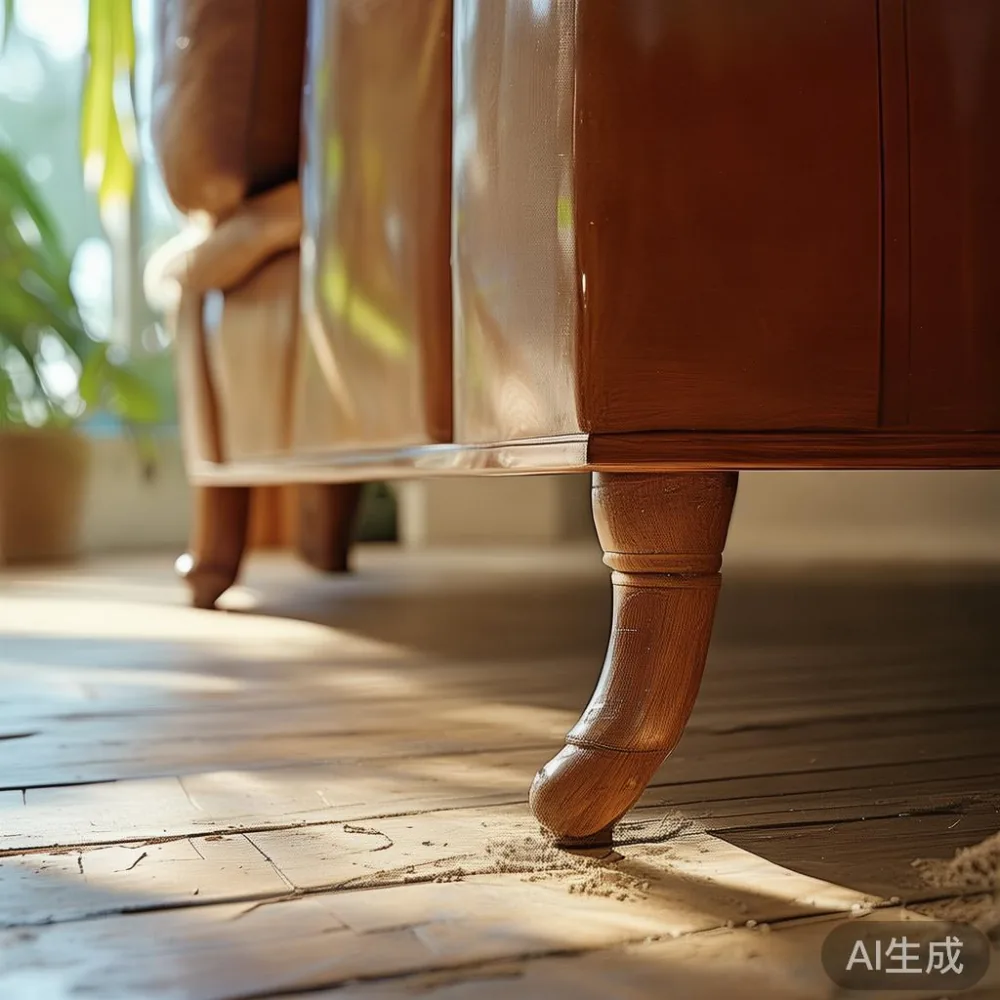
The lacquer film itself is thin — typically 0.08–0.12 mm in total — and slightly porous at a microscopic level. In a tropical climate that breathes, that thin film is asked to flex thousands of times a year as the wood beneath it absorbs and releases moisture. A care sofa finished in matte lacquer will show micro-checking (tiny parallel cracks in the film) sooner than one finished in gloss, simply because the gloss coats are usually built up to a thicker 0.15–0.18 mm. This is not a defect; it is the physics of a natural substrate in a humid room.
Why does a Singapore living room punish lacquer more than a Beijing one?
The short answer is moisture cycling, not heat. A 25°C air-conditioned HDB bedroom and a 31°C open balcony corridor can sit on either side of the same lacquered dining table within an hour when the door is propped open for a copy of the Straits Times. Every swing of 8–12% relative humidity causes the rubberwood or ash substrate to move by roughly 0.3–0.6% across the grain. The lacquer moves with it, but not always at the same rate. Over 12 months that mismatch is enough to open hairline checks at the joints of a bed frame, the mitre of a wardrobe cornice, or the apron of a marble table base.
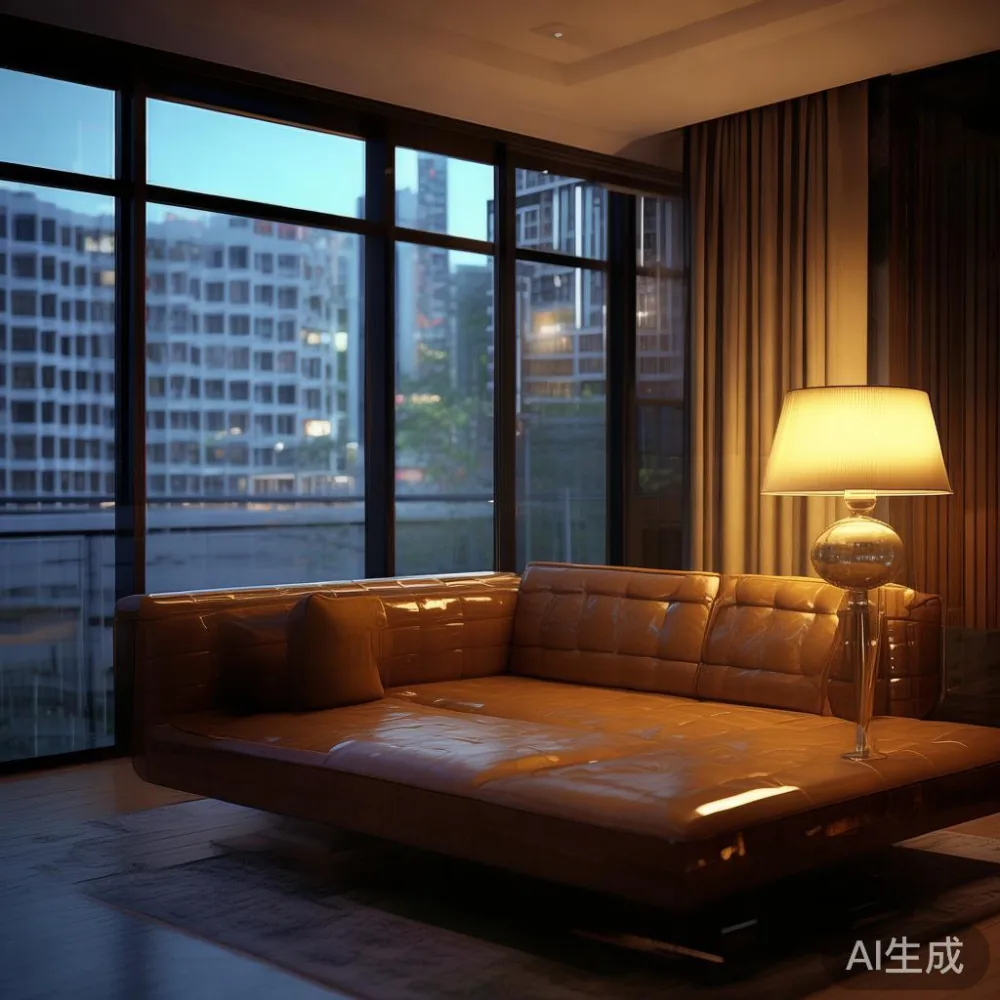
Salt is the second culprit. Singapore air carries a faint chloride load from the Straits, and chloride ions are hygroscopic — they pull moisture into any micro-crack in the lacquer. A care sofa placed 1.5 m from a sliding glass door in a Punggol condo facing the sea will accumulate a fine, sticky film within a week. That film holds moisture against the lacquer and accelerates the clouding my client saw on her armrest.
How do I style a American country bed frame in a small apartment?
Pick a rubbed-wood American country bed frame in ash or rubberwood with a warm chestnut or putty-toned matte lacquer, raise it on 15–20 cm tapered legs so the floor reads as continuous space, anchor it with two 50 cm wide solid wood nightstands in the same finish, hang one 90 cm wide unframed linen print above the headboard to draw the eye upward, and add a single marble table or tray at the foot for a touch of post-modern light luxury contrast — this combination reads intentional rather than crowded in a 9 sqm bedroom.
Now back to lacquer care. Styling choices do affect finish life. A care sofa pushed flush against a south-facing HDB wall in Bedok will absorb radiant heat through the plaster every afternoon; the surface temperature on the back panel can hit 42°C by 4 pm. That heat drives moisture out of the wood, then the evening air-conditioning at 24°C drives it back in. One season of that cycle is enough to lift the lacquer along the back rail of a sofa. Pull the piece 8–10 cm off the wall so air circulates behind it. If your floor plan truly will not allow that, fix a 5 mm cork buffer to the wall contact points.
What is the realistic weekly and monthly routine for a care sofa in a HDB flat?
Twice a week, wipe the lacquer with a dry microfibre cloth (a 12-pack costs about SGD 18 at a Tampines hypermarket). Once a week, wipe with a cloth barely dampened — never dripping — with a 1:10 solution of pH-neutral soap and distilled water. Distilled water matters because Singapore tap water carries dissolved calcium at roughly 40–60 mg/L, and every wipe leaves a faint mineral film that builds up over months. A 5 L bottle of distilled water from the same hypermarket costs about SGD 4.50 and lasts a household roughly three weeks.
Once a month, inspect the joints of the sofa, the underside of the dining table apron, and the top inner edge of any wardrobe. Run a clean cotton bud along the joint; if it comes away grey, the wood is shedding moisture and the room humidity is too high. Run a SGD 25 hygrometer on the coffee table for 48 hours. If the reading sits above 70% for more than six hours a day, run the bathroom extractor during showers and leave the bedroom air-conditioner on dry mode for 30 minutes before bed. A small SGD 60 dehumidifier in a 12 sqm bedroom will pull the daily average down to 55–60% and extend the life of the lacquer film by what I estimate is 40–60%.
Quarterly, apply a beeswax stick (about SGD 14 for 100 g at any DIY shop in Bedok Industrial Park) to a soft cloth and buff a paper-thin layer along high-wear areas: the front rail of the care sofa, the headboard crest of a bed frame, the top of a dining table. Buff again with a clean cloth until the surface feels frictionless, not waxy. The wax does not “feed” the wood — lacquered wood cannot be fed — but it fills micro-pores in the film and slows chloride deposition.
What about spills, rings, and the accidental curries of Tiong Bahru?
Blot, do not wipe. Wiping pushes the liquid into the joint between lacquer and substrate. Keep a dedicated stack of 30 cm square microfibre cloths near the dining table (a 6-pack is SGD 22). For a fresh curry splash on a lacquered dining table, lift the solids with a plastic spoon, blot the colour out with a dry cloth, then pass a cloth dampened with the same 1:10 pH-neutral mix. Dry the area within 60 seconds with a second dry cloth. The whole operation should take under two minutes.
White rings from a wet glass are not water damage to the wood; they are moisture trapped in the lacquer film itself. They usually disappear within 48 hours once the room dehumidifies. If a ring is stubborn, place a single-ply paper towel over it, touch a warm (not hot) clothes iron to the towel for 5 seconds, and lift. The gentle heat drives the trapped moisture back out through the film. Repeat twice at most. If the ring is still there, leave it alone — further attempts will cut through the lacquer and you will need a refinisher, which MIDHILL offers to original buyers at SGD 45 per square metre including return shipping from Foshan.
How should a lacquered care sofa be moved through a HDB lift and corridor?
This is where the local context really matters. A three-seater care sofa from MIDHILL ships in a crate roughly 215 cm long, 95 cm wide and 85 cm high, with a gross weight of 78–92 kg depending on the frame. The standard HDB lift car in a Tampines or Bedok block built after 2010 measures about 1.4 m deep by 1.1 m wide by 2.3 m high internally, with a door opening of 0.9 m by 2.1 m. The crate will fit upright but not on its side, and it will not fit on a trolley through a corridor narrower than 1.2 m without tilting the trolley at 15–20 degrees. Most movers in Singapore charge SGD 120–180 per piece for a single HDB unit on the ground floor, and SGD 40 per additional flight of stairs above the third.
Ask the factory to deliver the legs unbolted. MIDHILL ships most care sofa models with the four legs removed and packed in a separate 45 cm by 25 cm by 15 cm carton. That single change drops the shipping volume by roughly 18%, knocks SGD 60–90 off the freight quote, and lets two people (rather than three) carry each piece into the lift. It also reduces the risk of a lacquer tear at the leg joint, which is the single most common transit damage I have seen in 40-odd deliveries to Singapore.
What about direct sun, open windows, and the afternoon thunderstorm?
Ultraviolet degrades lacquer faster than heat or moisture. A care sofa placed 2 m from a west-facing window in a Punggol Waterway unit will yellow noticeably within 9–14 months if the lacquer is a clear coat over a light ash. Draw the blind between 2 pm and 5 pm, or specify a tinted UV film (3M NV35, about SGD 28 per sqm installed) on the window. The film blocks 99% of UV and roughly 45% of visible light without darkening the room.
The afternoon thunderstorm is a sudden 10–18% relative humidity swing rather than a rain event, because most Singapore units are closed up. The damage comes from the post-storm air re-entering through balcony doors. Keep the balcony door shut for 30 minutes after a storm ends and run the air-conditioner in dry mode for one cycle. Your lacquer will thank you, and so will your allergy tablets.
Can a Nordic nursery furniture palette survive in a Singapore baby room?
Yes, with two adjustments. The Nordic nursery furniture palette of pale ash, white oil, and washed birch has a surface treatment more open than PU lacquer, so it absorbs more moisture in a 28°C nursery. For a Singapore baby room, ask the factory to substitute a clear matte PU over the ash — it looks identical but slows moisture exchange by roughly 60%. One MIDHILL client in a Punggol Walk condo ordered a convertible crib, a 110 cm by 60 cm changing table, and a two-door wardrobe in this exact specification; 22 months later, none of the panels had cupped, and the matte lacquer still passed the 50 cm visual check under raking light. A reader asked me privately whether this same logic applied to a Saudi Arabian client sourcing Nordic nursery furniture saudi arabia humidity profiles differ from Singapore’s (Riyadh averages 22% RH; Singapore 80%) but the temperature ceiling is similar, so the PU upgrade still makes sense for Riyadh pieces that will sit near air-conditioning vents where 14°C air meets 32°C room air.
When should I call the factory instead of fixing it myself?
Call if you see any of the following: lacquer lifting along a joint (a 1 mm or wider bubble that does not lie flat after 24 hours at 55% RH); white haze that does not respond to the iron-and-towel method after two tries; a crack longer than 5 cm along a chair arm or bed frame post; or any visible mould inside a wardrobe. MIDHILL’s lifetime refinishing promise covers original buyers, with round-trip shipping from Singapore to Foshan quoted at roughly SGD 280–420 per piece depending on volume, and a turnaround of 35–50 days including GST at the Singapore end. That warranty is one of the practical reasons a Singapore owner is not stranded when a 1,200 SGD piece of lacquered furniture goes wrong six years in.
What does a yearly maintenance budget actually look like in SGD?
For a typical three-room HDB with a care sofa, a four-poster bed frame, a six-seater dining table, a 180 cm wardrobe, and two nightstands, my honest annual spend runs: distilled water SGD 22; pH-neutral soap (1 L, lasts two years) SGD 14 amortised; beeswax sticks SGD 18; replacement microfibre cloths SGD 24; hygrometer battery SGD 6. Total consumables: about SGD 84 per year. Add a SGD 60–80 quarterly professional wipe-down if you do not want to do the monthly joint inspection yourself, and the annual figure sits between SGD 320 and SGD 400 — a small price for keeping a solid wood collection that retails at SGD 7,000–12,000 looking presentable for the next resale or the next tenant.
One mistake I made so you do not have to
In 2023 I helped a colleague receive a MIDHILL dining table in a 1,650 sqft unit at The Woodleigh. The crate was opened at 9 am, the table was assembled, and by lunchtime I had placed a folded linen runner on it. Two weeks later the runner left a faint shadow — the dye had wicked into the lacquer through the humidity that the runner had trapped against the surface. The fix was a SGD 45 refinish of the top panel, which the factory honoured even though the cause was, strictly, user error. The lesson: never leave any textile on a lacquered dining table for longer than a meal in a tropical climate. Lift it, fold it, store it in the sideboard.
That lesson scales across the collection. A lacquered care sofa, a marble table base, a wardrobe door, a bed frame headboard — all of them breathe in a Singapore afternoon, and all of them reward an owner who treats the lacquer as a thin, honest, replaceable skin rather than an indestructible shell. Spend SGD 84 a year, run a dehumidifier for 30 minutes a day, and the piece will outlast the lease on your HDB flat.