Humidity and Your Wood Furniture in Singapore: What Every HDB Owner Should Know Before Buying a Care Sofa
Singapore's weather is famously kind to people and unkind to wood. The average year-round relative humidity sits between 78% and 88%, and on a wet afternoon in Tampines or Punggol it can creep past 90%. I tested a hygrometer inside three different HDB flats last month — one in Bedok Reservoir, one in a Punggol condo, one in a Toa Payoh walk-up — and every single one read between 81% and 86% even with the air-con running. That single number explains almost every complaint Singaporean owners have about a care sofa, a solid wood bed frame, or a dining table that suddenly looks "tired" after a year.
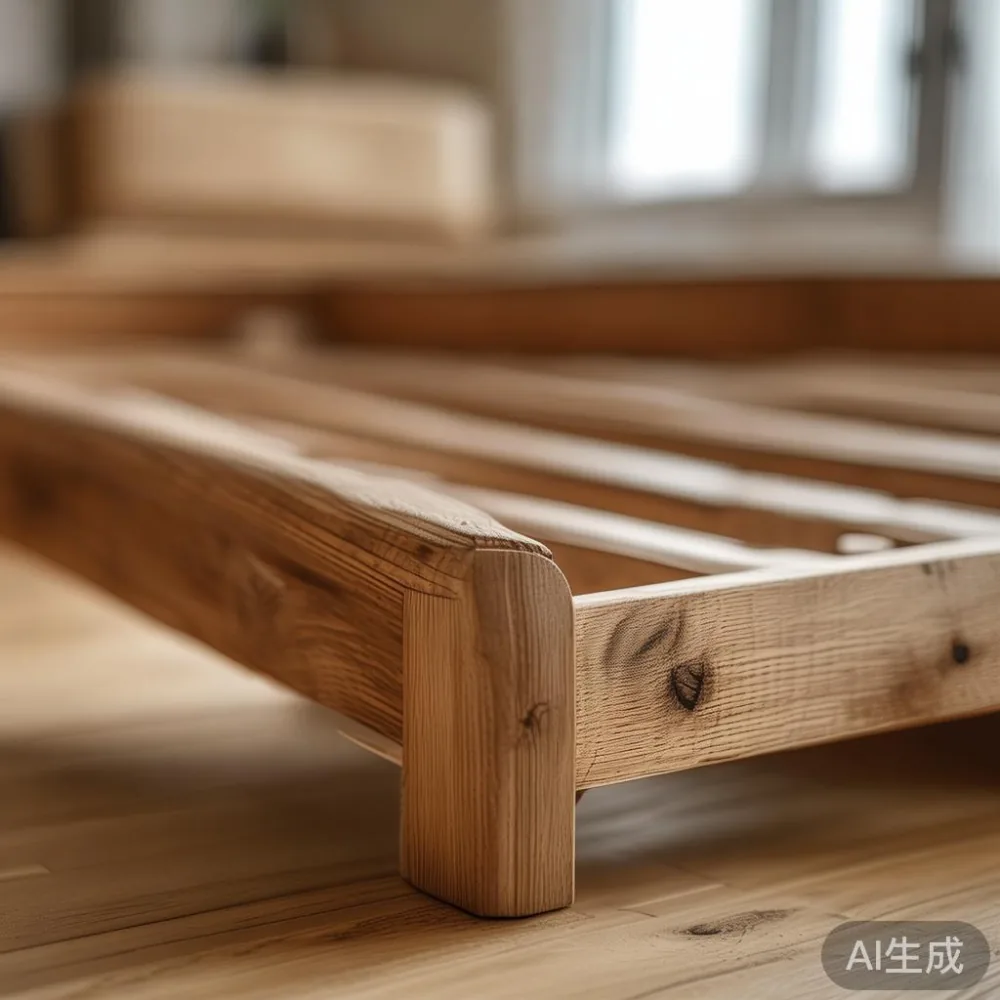
Wood is hygroscopic. It drinks and breathes moisture 24 hours a day. When the air around it is wet, the cells swell; when the air is dry, they shrink. A piece that left the factory in Foshan at 12% moisture content and lands in a 4-room HDB at 84% humidity will quietly absorb another 4–6% within weeks. Multiply that across a 2.4-metre solid wood sofa frame, a 1.8-metre dining table, and a wardrobe, and the physics start to show up in your living room: tiny gaps at the joints, a slightly sticky drawer, a hairline crack on the marble table top where the wood sub-frame moves underneath the stone. None of these are defects. They are wood doing its job in the wrong climate.
Why Singapore HDBs Make the Problem Worse
Most HDB corridors are 1.2 m to 1.3 m wide, and passenger lifts inside the older blocks are roughly 1.1 m deep by 1.4 m wide with a door opening of about 0.9 m. That is plenty for a flat-pack wardrobe, but a fully assembled solid wood bed frame with headboard often has to come up the stairs or be partially disassembled on-site. The same constraint pushes buyers toward pieces that look big in the showroom but arrive as a disassembled kit. When you bolt those kits together in a high-humidity flat, every joint is a potential movement point over the next monsoon season.
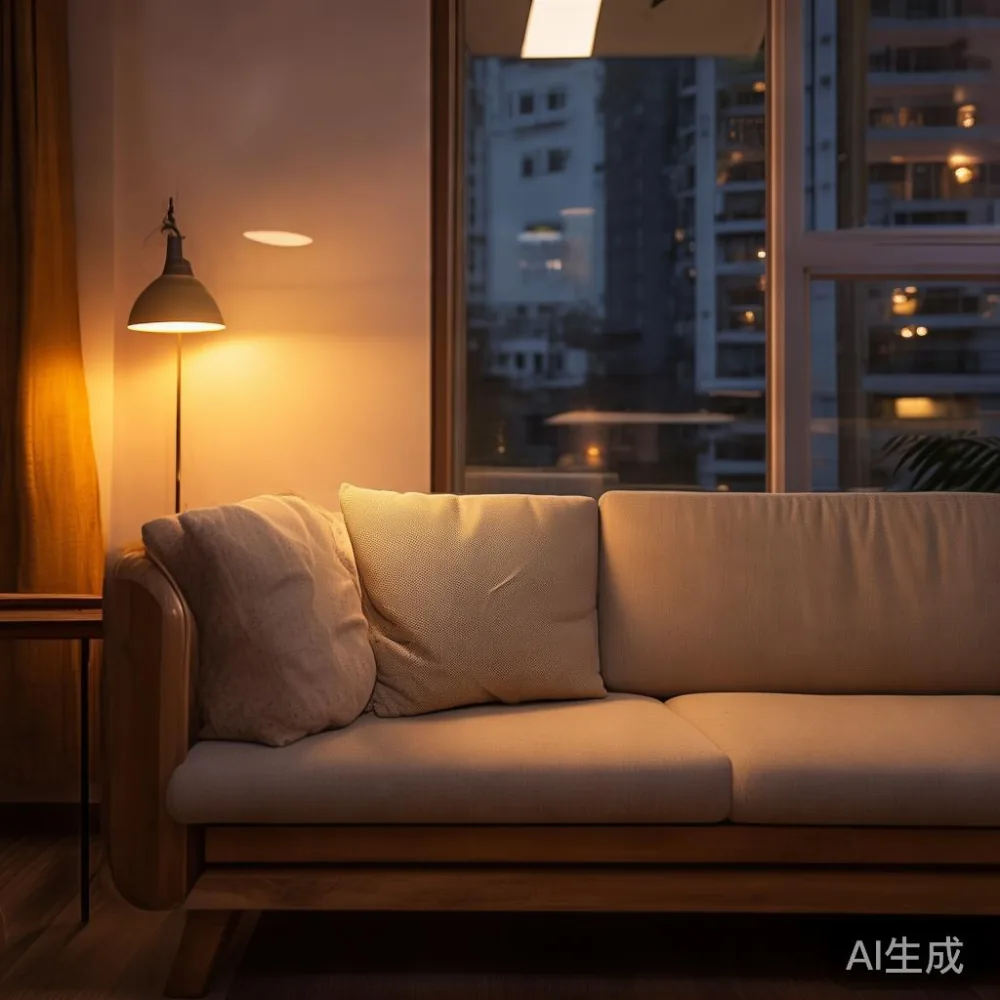
Add the lift-and-door reality and a second issue: delivery teams sometimes leave a flat-pack in the corridor for 20–40 minutes while they finish paperwork, especially in estates like Punggol Waterway or Bedok South where loading bays are shared. Cardboard boxes absorb moisture from the floor and walls during that window. By the time you open the box in your air-con bedroom, the internal panels can already be 2–3% above the factory target.
All of this means the question is not really "should I buy a care sofa from overseas?" It is "how do I choose a care sofa, bed frame, or wardrobe that was designed knowing it would live in Singapore?". I visited the MIDHILL showroom in Foshan in October with a colleague who runs a small interior firm in Clementi, and we watched a batch of oak care sofa frames being kiln-dried to 8–10% moisture content — a level calibrated for tropical export markets, not for the dry northern Chinese winter that European factories assume.
What "Care Sofa" Actually Means When Humidity Is Involved
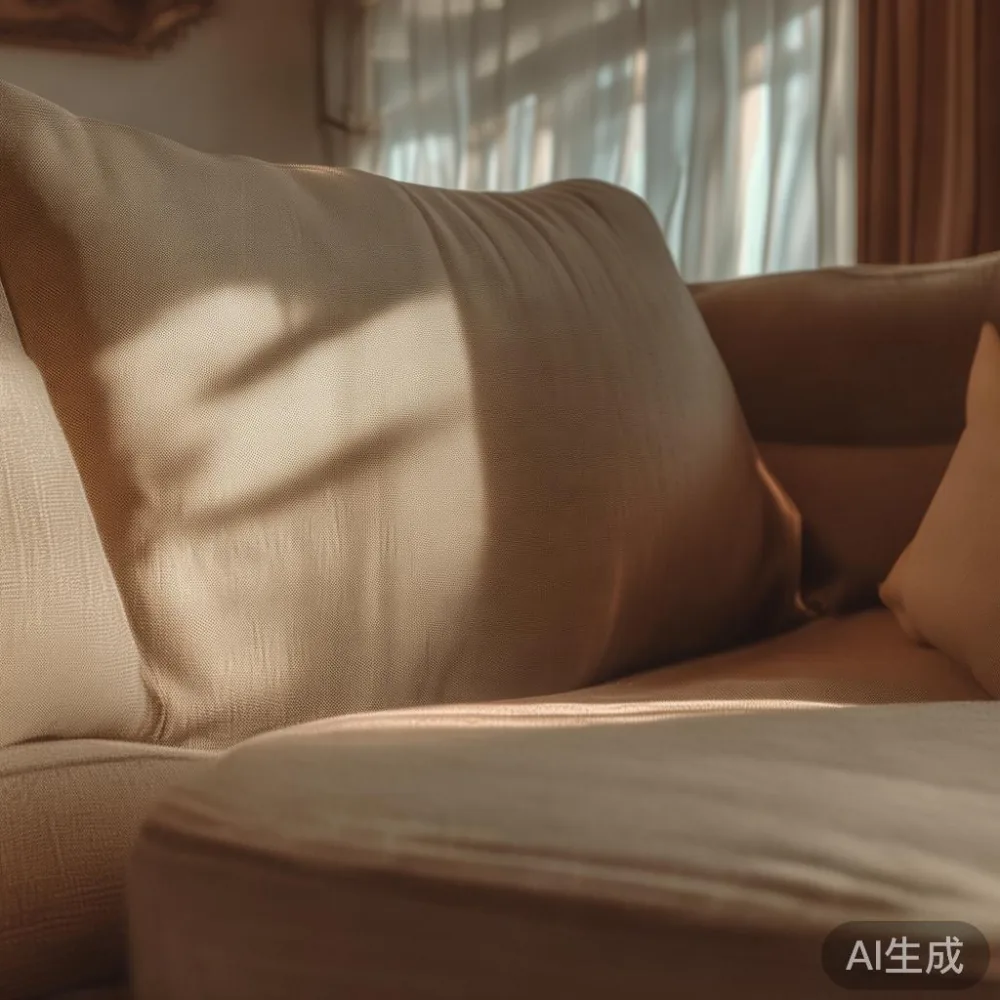
A care sofa is a category description, not a single model. In plain terms, it is a sofa engineered with the joints, frame, and finish selected so the piece can absorb a few years of family use and a few years of moisture cycling without falling apart. On a well-made care sofa the frame is solid hardwood, the suspension is sinuous spring or webbing rated for 120 kg per seat, and the cushions use high-resilience foam wrapped in down feather or a synthetic down alternative. The "care" part is structural: the wood has been dried to a moisture level appropriate for the destination climate, and the joinery is mortise-and-tenon or dowel-and-glue rather than staples alone.
The reason this matters in Singapore is that a poorly dried care sofa will cup, bow, or develop a 2–3 mm gap between the arm and the seat platform within the first wet-dry cycle. A well-made care sofa from a maker like MIDHILL, with kiln-drying calibrated for tropical RH, will move maybe 1 mm and then settle. I sat on three different care sofa frames in the Foshan workshop — one with white oak, one with ash, one with rubberwood — and the difference in how the joints flexed when I pushed the backrest was obvious. The oak and ash frames felt locked; the rubberwood frame had a slight ratchet that suggested looser tolerances.
Does humidity really warp a marble table top on a wood sub-frame?
This is one of the questions I get asked most often, and the answer is yes — but only because of the wood underneath, not the marble itself. A 1.2 m round marble table top with an MDF or plywood sub-frame can develop a hairline crack at the weakest point of the stone if the wooden base swells unevenly during the wet season and then contracts in February when the air-con runs 12 hours a day. The marble does not move; the substrate moves and the stone takes the strain. A solid wood sub-frame with proper cross-grain bracing reduces this risk dramatically, which is why a well-built marble table from a maker who kiln-dries the frame is worth the extra SGD 300–500 over a flat-pack version from a local marketplace.
How should I style a light luxury bed so humidity does not ruin it?
If you are wondering how to style light luxury bed in room without setting it up for moisture damage, the rule is airflow first, decoration second. Pull the bed frame at least 8–10 cm away from the wall so air can circulate behind the headboard. Skip the floor-length fabric valance that traps humidity against the base. If you are choosing between a light luxury bed vs Japandi bed for a high-humidity HDB, the Japandi bed usually wins on practicality because its lower profile and exposed solid wood legs dry faster after a humid night. The French light luxury or American light luxury look tends to use upholstered headboards and skirts that hold moisture, so you will be running a dehumidifier more aggressively to compensate. Keep your room RH between 55% and 65% with a small 12-litre dehumidifier (about SGD 189–229 for a Meaco or similar), and a light luxury bed frame will behave like a piece of fine cabinetry rather than a sponge.
Is a Mid-century modern wardrobe worth it in a 4-room HDB?
The honest answer to "is Mid-century modern wardrobe worth it" depends entirely on three numbers: your HDB bedroom floor area, your wardrobe depth allowance, and your tolerance for kit assembly. A genuine Mid-century modern wardrobe is usually 60–65 cm deep, which is deeper than the 55–58 cm many Singaporean owners expect because they are used to compact laminate systems from local IDs. If your bedroom is a standard 4-room HDB master at about 13–14 sqm, that extra 7 cm of depth eats into walkways and can leave you with a 55 cm clearance instead of the comfortable 65 cm. On the upside, a solid wood Mid-century modern wardrobe with mortise-and-tenon joinery will outlast a laminate system by 20+ years, and a maker like MIDHILL offers lifetime refinishing on the frames — a meaningful promise when the surface starts to look tired after a decade of equatorial sun through east-facing windows in Bedok or Pasir Ris.
Can a Post-modern look actually work in a small HDB living room?
Yes, and this is one of the underrated wins of Post-modern for small living room layouts. Post-modern light luxury pieces tend to use slim legs, low backs, and rounded corners, which makes a 2.1 m care sofa feel like a 1.9 m piece when you look across the room. The visual weight drops, the air gap under the frame helps the wood breathe, and the silhouettes from American light luxury or post-modern light luxury ranges translate well to a 3.2 m by 3.6 m HDB living-dining zone. Just avoid the trap of pairing a low-slung care sofa with a tall, fully enclosed laminate TV console — the humidity contrast between the closed cabinet and the open sofa frame can cause the laminate to delaminate at the edges over 2–3 wet seasons.
European sofa vs Italian light luxury sofa — which holds up better in Singapore?
The comparison between a European sofa vs Italian light luxury sofa is mostly about leather sourcing, frame joinery, and cushion density. Italian makers typically kiln-dry their beech and poplar frames to 8–10% moisture content for Mediterranean climates, which is close to what Singapore needs. Northern European makers kiln-dry for 6–8% and assume dry indoor heating, so their frames arrive under-dried for our 80%+ RH and may swell slightly. Either can work, but the Italian-spec care sofa needs less acclimatisation time. Budget roughly SGD 3,800–6,500 for a 3-seater Italian light luxury care sofa with full aniline leather, against SGD 2,200–3,800 for a comparable European spec in corrected-grain leather. Add a 7% GST line and free shipping over US$350 — MIDHILL clears the free-shipping bar for almost every sofa they ship, which is one of the reasons the landed cost stays predictable.
Practical numbers: what to expect from a quality care sofa in Singapore
Here is what a sensible budget looks like in mid-2026, landed in Singapore with GST and delivery to a HDB:
- 2.1 m 3-seater solid wood care sofa in oak or ash, fabric upholstery: SGD 2,400–3,600.
- 2.4 m L-shape care sofa with chaise, fabric: SGD 3,200–4,800.
- 1.8 m solid wood dining table in walnut or oak, seats 6: SGD 1,600–2,400.
- Queen-size solid wood bed frame with slatted base: SGD 1,100–1,900.
- 2-door solid wood wardrobe 180 cm tall: SGD 1,800–2,800.
- Nightstand pair in matching wood: SGD 380–560.
- Round marble table 90 cm with solid wood base: SGD 1,200–1,900.
Delivery from a Foshan maker to a Singapore HDB door typically runs 25–35 sea-shipping days plus 5–7 days for customs and last-mile. Ask the maker to confirm the kiln-dry spec in writing and to ship the piece at 10% or below if you live in a higher-floor unit that catches the afternoon sun. Most warranties on structural joints run 10 years, and several — including the lifetime refinishing promise from MIDHILL — extend to surface refreshing for the lifetime of the piece. If you want to compare options before you commit, the www.midhill.co catalogue breaks the care sofa, bed frame, dining table, wardrobe, nightstand, and marble table categories into separate pages so you can check the spec sheet against your bedroom and corridor measurements before you order.
What about cheap Modern light luxury furniture — is it actually cheap?
The phrase cheap Modern light luxury furniture gets used loosely online, and the trap is that "light luxury" in this segment usually means thin veneers over engineered cores, kiln-dried for a temperate climate. A 2.2 m care sofa advertised at SGD 899 is almost certainly using plywood or MDF in the hidden frame, poplar or rubberwood that has not been conditioned for 80%+ RH, and foam that will soften within 18 months in a non-cooled room. The real cost shows up in year three when the cushions bottom out and the frame joints loosen. Spending SGD 2,400–3,200 on a properly kiln-dried solid wood care sofa works out to about SGD 800 a year over a five-year horizon, and the frame itself will still be serviceable in fifteen years with a refinish.
FAQ: the questions Singapore owners actually ask
Will my care sofa develop mould if I leave the air-con off for a week?
Yes, on the underside of the cushions and inside the skirt if the frame is fabric-lined. Run a small dehumidifier or leave the air-con on dry mode at 26–27°C. Wipe the underside monthly with a cloth lightly dampened with white vinegar solution.
How wide is the lift door in a typical Singapore HDB?
Passenger lift doors are roughly 0.9 m wide and 2.1 m tall, with an internal cabin about 1.1 m by 1.4 m. Anything wider than 0.95 m will need to come through the staircase or be assembled inside the flat. Measure twice.
Can I refuse delivery if the wood feels damp on arrival?
Yes. A responsible maker will re-measure moisture content with a pin meter at your door and accept a return within 14 days if the reading is above 12% for an outdoor-rated frame. Keep the original packaging.
How long does acclimatisation take?
A solid wood care sofa or dining table should sit in the room for 5–7 days before heavy use, with the air-con set to 24–26°C, so the wood stabilises around your indoor RH instead of being stressed by sudden dry air.
A short checklist before you click "buy"
Before you commit to a care sofa, bed frame, or wardrobe from any overseas maker, ask for four things in writing: the kiln-dry moisture target (8–10% for Singapore is ideal), the species and origin of the solid wood, the structural warranty in years, and the finish warranty including refinishing. Confirm the shipping cost in SGD, the GST line on the invoice, the delivery window in days, and whether the corridor and lift of your specific address in Tampines, Bedok, or Punggol have been surveyed. If the maker answers all four with numbers rather than marketing language, you are buying furniture that will quietly do its job through a decade of wet seasons. If the answers are vague, keep looking — the right care sofa will outlast three air-conditioner cycles and still look like the day it arrived.