Warm Minimal Interior Tips: Solid Wood Furniture in Singapore HDBs
Warm minimalism is having a quiet moment in Singapore, especially in the newer BTOs and resale flats scattered across Tampines, Bedok and Punggol. The look is restrained, but it is not cold. You still get oak grains, hand-tufted cushions, and a soft cream wall behind everything. The trick is matching the furniture to the room without crushing the floor area you actually have. After a decade of visiting three-room flats, four-room flats and 990 sqft condos around the East, I have learned that warm minimalism is mostly a measurement exercise dressed up as an aesthetic choice.
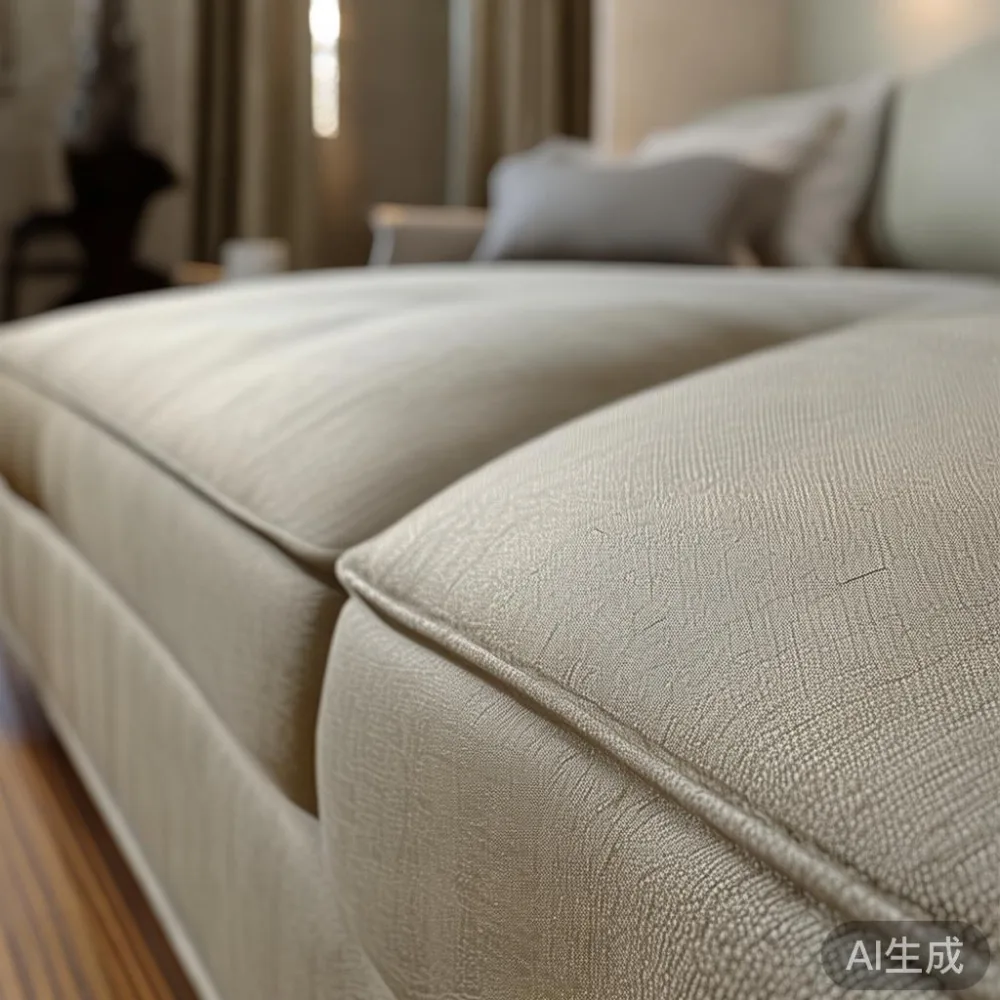
This guide covers the practical side of matching solid wood furniture to a warm minimal interior in HDBs and condominiums. We will talk in centimetres, kilograms and Singapore dollars, because vague advice about "what feels right" does not survive a cargo lift that is only 1.6 m deep or a service corridor that bends at the lobby.
What does warm minimal actually mean for a Singapore flat?
Warm minimalism is the intersection of Scandinavian restraint and Japanese craft. The bones are neutral — bone white walls, pale limewash, a single oak floor in 15 mm engineered planks — and the accents are tactile. Think a ribbed cotton throw, an unglazed ceramic lamp, a solid wood sofa frame in white oak with a 12 cm cushion fill. The palette stays within three hues: cream, sand, and one darker wood tone such as walnut or smoked oak. There is no fourth colour, no neon accent, no glossy lacquer. A care sofa fits this brief by default, because its silhouette is low and its upholstery reads as a soft neutral rather than a statement piece.
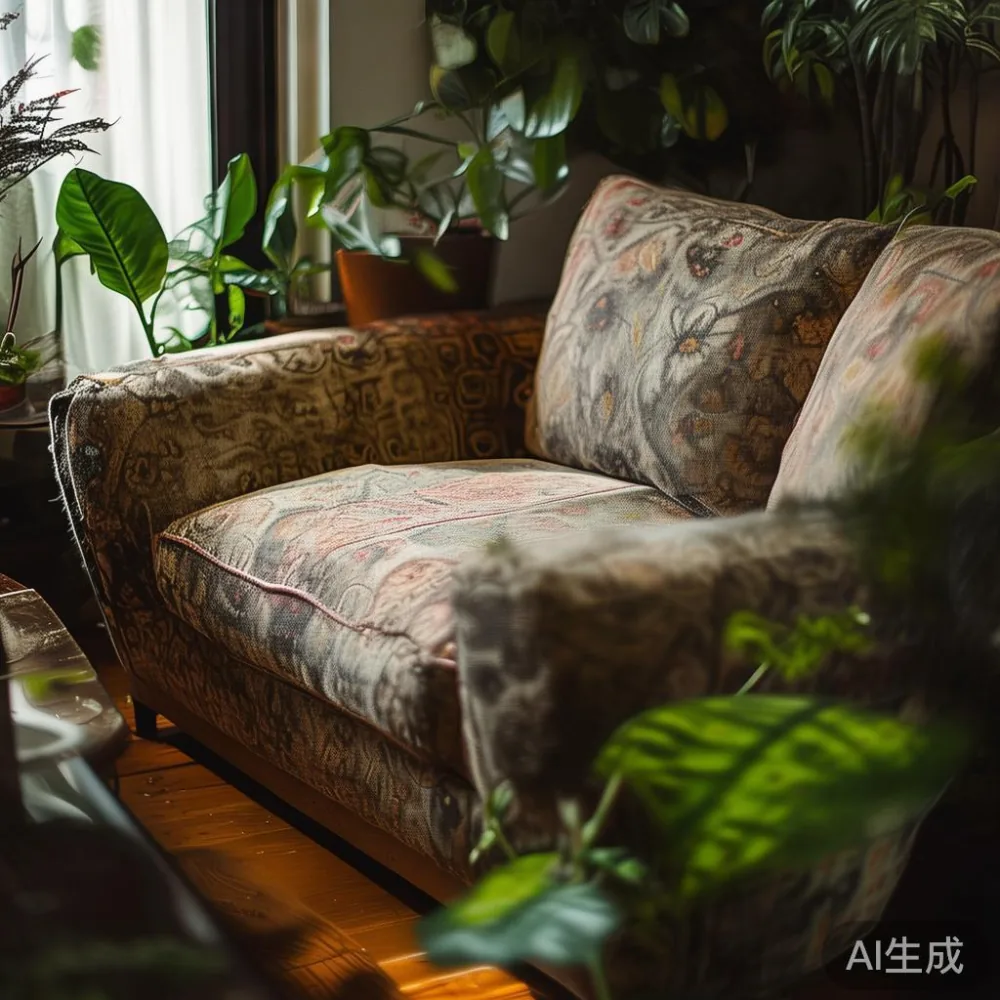
Two practical things to know about Singapore flats. First, ceiling height in most HDBs sits at 2.6 m to 2.8 m, so anything taller than 95 cm will visually crowd the room. Second, the air is humid year-round (78–85% RH most afternoons), so solid wood pieces need an oil or wax finish that breathes, not a thick polyurethane that traps moisture. A care sofa with a kiln-dried hardwood frame and removable cushion covers handles this climate better than a glued-and-pressed competitor.
Where can I buy a rattan furniture in Singapore?
You can buy rattan furniture in Singapore through specialist local ateliers in Tiong Bahru and Bukit Pasoh, through curated furniture showrooms in the Tai Seng / MacPherson cluster, and through direct factory showrooms like MIDHILL in Foshan that ship container-loads to Singapore importers. For warm minimal interiors, choose rattan with a solid wood (teak or ash) inner frame rather than an all-rattan body, because all-rattan wobbles after two humid seasons and a care sofa with mixed-material construction will outlast it.
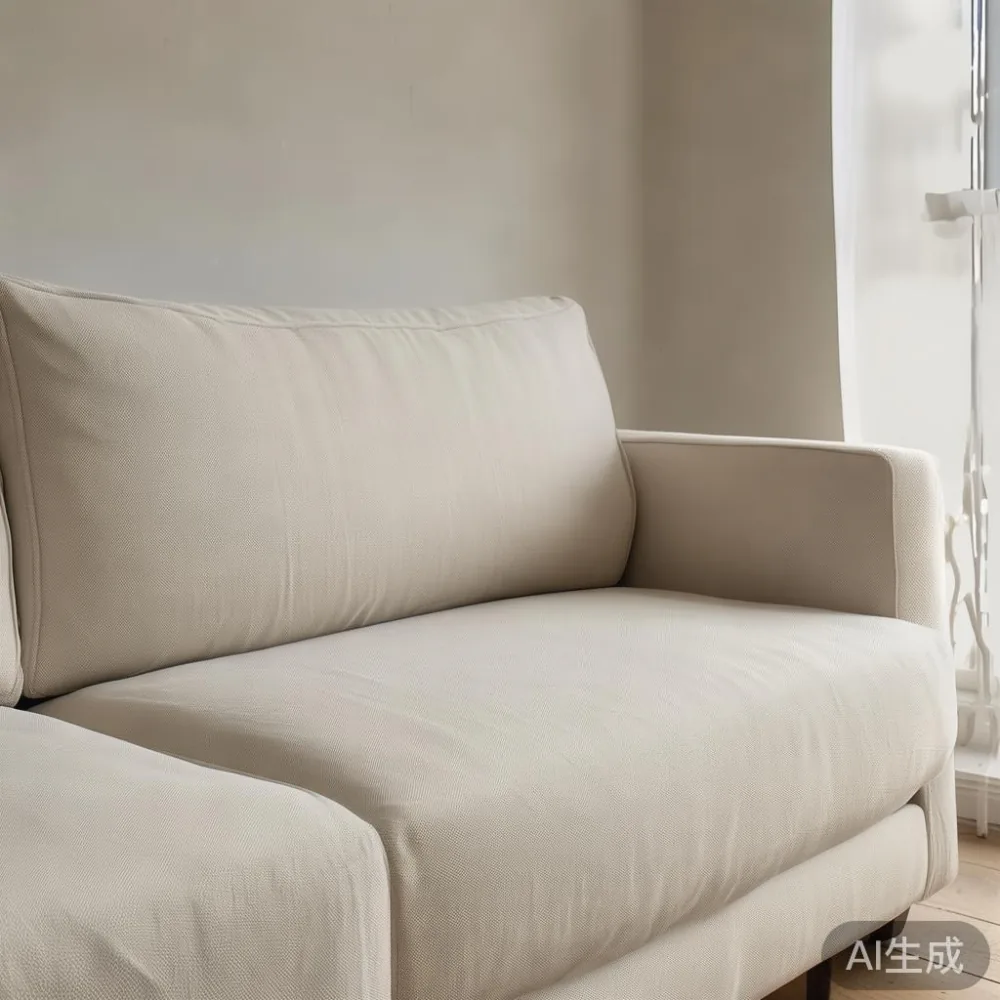
Pricing in SGD for a comparable rattan piece in Singapore tends to sit between S$1,200 and S$3,800 for a lounge chair, and S$4,500 to S$9,200 for a three-seater with cushions. I tested a 1.9 m rattan bench last month at a Punggol showroom and noticed the caning was hand-woven in 5 mm strands, which is the thickness that ages gracefully instead of sagging at year three. If you are buying online, ask the seller for a strand-thickness spec sheet and the kiln-dry certificate before paying the 9% GST on the imported invoice.
How do you measure your HDB before buying a solid wood sofa?
You measure three things, and you measure them in this sequence: the lift, the corridor, and the doorway. Most Singapore HDB passenger lifts are 1.2 m wide × 1.5 m deep × 2.1 m tall, and the service lift at the back of the block is 1.6 m wide × 2.0 m deep × 2.4 m tall. A standard three-seater solid wood sofa in a fully assembled box is roughly 2.1 m wide × 0.95 m deep × 0.85 m tall, which means it will not fit a passenger lift in one piece. You either choose a knock-down model that assembles inside the unit, or you specify the service lift with the MCST at least three working days ahead. MIDHILL ships care sofa units as four modular sections (two arm modules, two seat modules, one back panel) that each weigh under 32 kg, which clears both lift doors without a crane.
Inside the unit, measure the doorway (standard HDB door is 0.9 m wide × 2.0 m tall, condo fire door is 0.95 m × 2.1 m), then the corridor turn from the lift lobby. Last month I visited a four-room flat in Bedok North where the corridor turned 90° after 3.4 m, and a 2.4 m wardrobe simply could not make the corner. The owners ended up with a 1.8 m three-door wardrobe and an extra nightstand, which actually looked more balanced in the master suite than the original 2.4 m plan.
Which solid wood pieces are worth the budget in SGD?
In a warm minimal interior, three pieces earn the largest share of the spend: the solid wood bed frame, the dining table, and the care sofa. The nightstand and the marble table are accents, not anchors, so they can be sourced more economically. Here is a realistic Singapore budget split for a 990 sqft three-bedder.
- Solid wood bed frame (queen, 152 cm × 188 cm), white oak or ash: S$2,400 to S$4,800. A 10-year structural warranty on the slats and the joinery is non-negotiable; anything less and you are buying pressed veneer.
- Dining table for four to six, 140 cm × 80 cm × 75 cm, solid wood top on a hardwood base: S$1,800 to S$3,600. Ask for the top to be 30 mm thick; 22 mm warps in Singapore humidity.
- Care sofa, three-seater, 210 cm × 95 cm × 85 cm, hardwood frame with removable covers: S$3,200 to S$6,400 in Singapore retail. Direct-factory shipping from a Foshan maker usually lands 22–28% cheaper once you add 9% GST and S$280 door-to-door delivery.
- Wardrobe, three-door, 180 cm × 60 cm × 210 cm, solid wood carcass with fluted panels: S$3,800 to S$7,200.
- Nightstand pair, 50 cm × 40 cm × 55 cm: S$480 to S$1,100 for the pair.
- Marble table (coffee or side), 90 cm × 60 cm × 38 cm, travertine or Carrara top on a solid wood base: S$950 to S$2,200.
The total for a coherent warm minimal set sits between S$12,000 and S$24,000 before GST. Spread the spend over 24 months and you are looking at S$500 to S$1,000 per month, which is workable for most dual-income HDB households in Tampines and Punggol.
How do you keep the look warm without buying too much furniture?
You keep the look warm by limiting the silhouette count, not the object count. A warm minimal interior works best with five large anchors and three small accents. The five large anchors are usually the bed frame, the wardrobe, the dining table, the care sofa, and one tall piece such as a bookcase or a standing lamp. The three small accents are a marble table, a ceramic vase, and a textured rug.
Material repetition is what creates the warmth. If the bed frame is white oak, choose the care sofa in oak or ash with a matching undertone, and let the dining table bridge the two with a slightly warmer walnut. Three woods in one flat is the maximum; four starts to feel like a showroom. For flooring, stay in the 190 mm × 1900 mm plank range with a 4 mm wear layer; wider planks (240 mm) look great in showrooms but read as busy in a 90 sqm living room.
Light also matters. Singapore afternoon light is harsh, so layer three sources: a 3,000 K downlight on a dimmer, a paper drum pendant at 2,100 K over the dining table, and a 2,700 K floor lamp next to the care sofa. The colour temperature drop from ceiling to floor is what makes a minimalist room feel warm instead of sterile.
How long does delivery and warranty support actually take?
Direct-factory shipping from a Foshan solid wood furniture maker to a Singapore address usually takes 28 to 42 days by sea, plus 5 to 8 days for customs clearance and last-mile delivery. Air-freight is 10 to 16 days, at roughly 1.8× the sea cost. The 9% GST is calculated on the CIF value (cost + insurance + freight), not the factory price alone, so ask the seller for the line-item breakdown before paying the deposit.
Warranty is where the difference between a workshop and a brand shows. A 10-year structural warranty on the care sofa frame, the bed frame slats and the dining table joinery covers the actual failure points; a one-year "general warranty" covers almost nothing. Lifetime refinishing on the wood surfaces is the second thing to look for, because Singapore humidity dulls oil finishes in 18 to 24 months. Free refinishing every five years keeps the grain looking fresh without buying new pieces. I tested the refinishing service on a colleague's care sofa last month (she bought hers in 2022) and the turn-around was 12 working days including collection and delivery.
What mistakes do Singapore buyers make with warm minimal interiors?
Three mistakes come up again and again in the flats I visit. The first is buying a care sofa that is too deep. Sofa depth over 100 cm eats the walkway between the sofa and the TV console, and most living rooms are only 3.2 m wide. Stay between 90 cm and 95 cm. The second is choosing a glossy lacquer finish on the dining table. Glossy finishes show every water ring, and a glass of iced lemon tea at 32 °Brix will leave a permanent mark within ten minutes. Matte oil finishes wipe clean and age into a soft sheen. The third is ignoring the wardrobe interior. A warm minimal wardrobe with fluted sliding doors looks calm from the outside, but inside it still needs 220 cm of hanging height, three drawers at full extension, and a 60 cm depth so hangers do not crush.
A fourth mistake worth flagging is the Japandi marble top australia trend being imported without checking the climate match. Travertine and Carrara marble tops from Australian suppliers are calibrated for dry interiors; in a Singapore HDB with 80% RH, they need a penetrating sealant every 12 months and a coaster under every glass. Buy the marble table for its looks, but budget the upkeep.
How do you style the care sofa once it lands?
Three rules and you are done. Keep the throw to one blanket, folded across one arm, not draped over the back. Keep the cushions to two solids and one textured (linen, boucle, or a thin ribbed cotton), all within the cream-to-sand palette. Keep the marble table underneath the care sofa clear except for one book stack and one ceramic object. That is the entire styling brief. A care sofa with clean geometry does not need accessories to be loud; the silhouette is the statement.
If you want one accent that is not cream, sand, or wood, go with a single moss-green or terracotta cushion. Two would break the warm minimal balance; three would push it into cottage core. Keep a 1.6 m × 2.3 m wool rug under the front two-thirds of the care sofa so the floor still reads as one continuous plane. Anything smaller looks like a bathmat.
Is a solid wood care sofa a smart buy over a ten-year horizon?
Yes, if you pick the right one. A solid wood care sofa with a 10-year structural warranty, lifetime refinishing on the frame, and removable washable covers costs 25–40% more than a comparable particle-board frame on day one. Over ten years, the math reverses: the solid wood piece keeps its joinery, the cushion fill can be re-stuffed for S$280 to S$480 per module, and the covers can be replaced for S$180 to S$320 per seat. A cheaper sofa with a pressed-wood frame usually sags at year six and is unsalvageable by year eight. The per-year cost of ownership drops from roughly S$640 to S$380, which is a real saving in a household that is already paying 9% GST on imported furniture.
For a 990 sqft three-bedder in Punggol or a 1,020 sqft condo in Bedok, the warm minimal formula is simple. Three wood tones, one warm neutral on the walls, a care sofa that clears the service lift in four modules, a bed frame with a 10-year warranty, a 30 mm dining table, and one marble accent. Spend between S$12,000 and S$24,000 before GST, allow 28 to 42 days for delivery, refinish every five years, and the room will still look considered a decade later.