Working through the Sofa Journey: Delivery and Assembly Realities for Singapore Homes
When you decide to furnish your home with a new care sofa, the process extends far beyond the simple click of a 'buy' button. The excitement of choosing a piece that defines your living space is quickly followed by a series of logistical hurdles that can make or break the experience. For homeowners in Singapore, particularly those in HDB flats and condominiums across Tampines, Bedok, and Punggol, these challenges are uniquely shaped by our urban environment. This article will provide a detailed, practical guide to the realities of delivery and assembly, helping you work through the process with confidence and avoid common pitfalls.
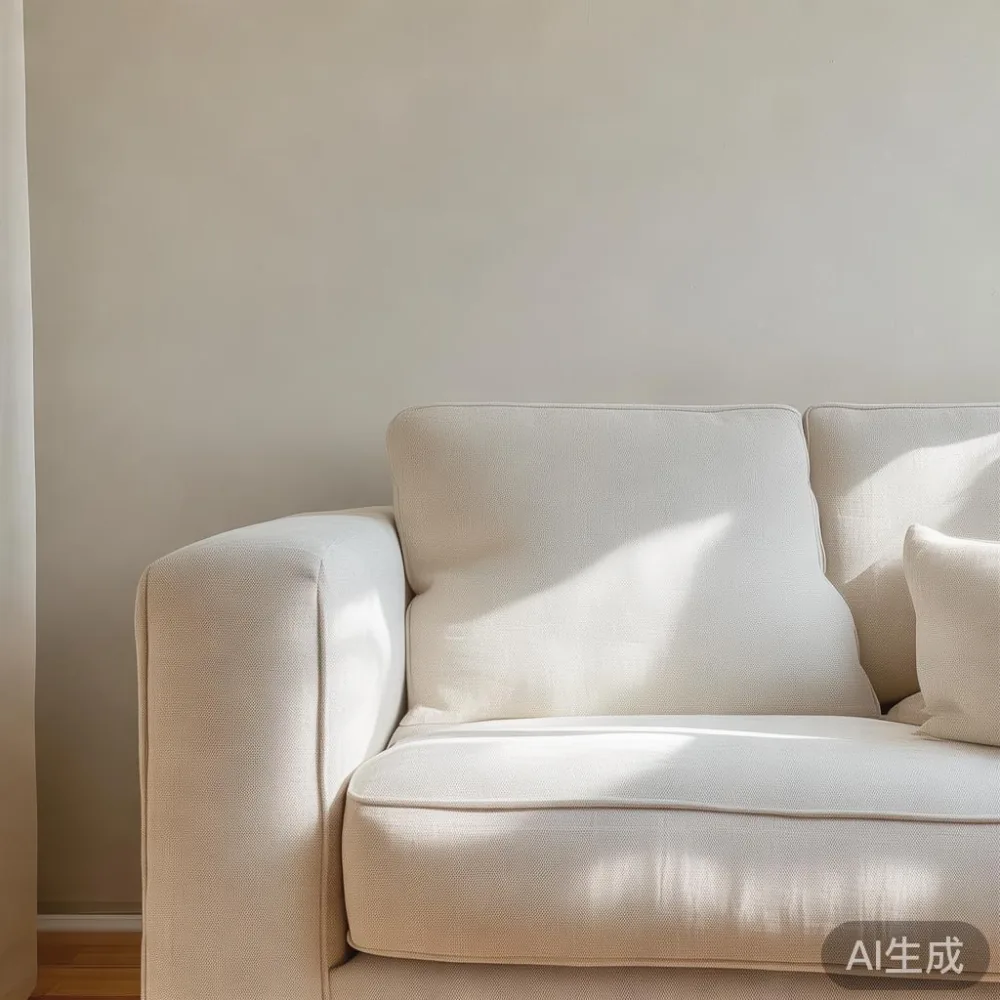
Understanding Singapore's Unique Delivery Landscape
Before your new care sofa even leaves the factory, a complex chain of events begins. Singapore's compact living spaces mean that delivery is not a simple matter of driving a truck to your door. The journey starts at the manufacturing hub in Foshan, China, where your piece is crafted from solid wood. From there, it travels to a local warehouse, often located in the Tuas or Jurong industrial area, before being dispatched to your home. This multi-stage process explains why delivery typically takes 14 to 21 business days from the date of order, not including potential customs clearance time.
For Singapore residents, a critical factor is the Goods and Services Tax (GST). All imported furniture is subject to 9% GST, which is calculated based on the Cost, Insurance, and Freight (CIF) value of the item. This means the final price you pay includes not just the product cost but also shipping and insurance to Singapore. Reputable sellers will provide a clear, all-inclusive price, so there are no surprises upon delivery. Understanding this helps in budgeting accurately for your new care sofa.
Will My New Sofa Fit? A Practical Guide to Singapore Home Dimensions
This is the most frequent question we receive, and for good reason. A beautiful care sofa is useless if it cannot physically enter your home. In Singapore, this means working through the tight spaces of HDBs and condos. Let's break down the numbers.
| Location / Item | Width (cm) | Depth (cm) | Height (cm) |
|---|---|---|---|
| HDB Lift (Standard) | 110 | 210 | 220 |
| Condo Lift (Standard) | 140 | 140 | 220 |
| HDB Corridor (Typical) | 150 | N/A | N/A |
| 3-Seater Care Sofa | 200 | 95 | 85 |
| 2-Seater Care Sofa | 160 | 95 | 85 |
As you can see, a standard 3-seater care sofa at 200cm wide will not fit through a standard HDB lift (110cm wide). This is why many reputable sellers offer a 'white glove' delivery service that includes assembly inside your home. For those in older HDB blocks without a large service lift, this service is not just a luxury; it's a necessity. When placing your order, always confirm the exact dimensions of the packed item with the seller. Sofas are often delivered in a flat-pack or a single large box, and the box itself might be the limiting factor.

The Financial Breakdown: What You Actually Pay for Delivery
Delivery costs in Singapore are transparent but can vary. Most furniture brands offer a threshold for free shipping. For example, a well-established brand might offer free shipping for orders over SGD 1,500. Below this threshold, you can expect to pay a delivery fee ranging from SGD 80 to SGD 200, depending on the size of the item and your location.
For a care sofa that requires a dedicated truck, the cost is typically on the higher end of this spectrum. It's important to ask what the delivery fee includes. A comprehensive service should cover:
- Transport from the warehouse to your building
- Manpower to move the item from the truck to your lift or staircase
- Basic assembly of the care sofa frame
- Removal of all packaging materials
Some sellers charge extra for 'upstairs delivery' if you live on a higher floor without a lift. This can add another SGD 50 to SGD 100 to the bill. Always request a detailed quote to understand exactly what you are paying for.
A First-Person Account: The Realities of Assembly
To give you a real-world perspective, I visited my colleague, Sarah, in her Punggol apartment last month. She had just purchased a care sofa from a well-regarded Foshan-based manufacturer. The experience was a masterclass in what to expect and how to prepare.
'The sofa arrived in one enormous box, weighing about 85kg,' Sarah recounted. 'The delivery team was professional and brought it right to my door. They wouldn't carry it up the stairs, which I understood, so I had to hire two movers from a local service app for SGD 60 to get it to my 12th-floor apartment.'
Once inside, the real work began. The care sofa came in three main components: the backrest, the seat base, and the legs. The assembly instructions were clear and included diagrams, but they were written in English with some awkward phrasing, likely a direct translation. Sarah spent about 90 minutes putting it together, with a significant portion of that time spent deciphering the instructions. She needed a screwdriver and an Allen key, which she fortunately had. The final result was stunning—a perfect care sofa that fit her living room layout beautifully—but the process was far more hands-on than she had anticipated.
How to Prepare Your Home for Furniture Delivery
A successful delivery and assembly process begins with preparation. Here is a checklist to ensure everything goes smoothly:
- Measure Twice, Order Once: Use a tape measure to confirm the width of your lift and the dimensions of your corridor and staircase. Take photos of these tight spots and send them to the seller's customer service for confirmation.
- Clear a Path: On the day of delivery, ensure there is a clear path from your entrance to the room where the care sofa will be placed. Remove rugs, shoes, and any obstacles.
- Prepare Your Tools: Have a basic toolkit ready, including a screwdriver (both flathead and Phillips), an Allen key set, and a rubber mallet. Don't assume the delivery team will provide these.
- Check Your Power Points: If your new care sofa has power features like USB ports or built-in lights, ensure there is a nearby power outlet.
- Plan for Packaging: The packaging for a solid wood care sofa is extensive. Decide in advance whether you will keep it for potential future moves or arrange for disposal.
What to Do When Something Goes Wrong
Despite the best preparations, issues can arise. A part might be missing, or there could be a minor defect in the wood finish. Knowing how to handle these situations calmly is key.
Reputable manufacturers, especially those with a long history like some Foshan-based brands, have established protocols for this. When you unbox your care sofa, do a thorough inspection under good light. Take photos of any issues from multiple angles. Contact the seller's customer service immediately, providing them with your order number and clear evidence of the problem. A good company will offer to send replacement parts without delay. For structural issues, a warranty is your safety net. Look for companies offering a 10-year structural warranty, which covers defects in the frame and joinery. This long-term assurance protects your investment for years to come.
Styling Your New Care Sofa for Singapore Living
Once the delivery and assembly are complete, the fun part begins: styling. A care sofa is the anchor of your living room, and how you dress it can define the entire space. For Singapore's smaller apartments, the trend is towards a minimalist yet sophisticated aesthetic. This is where the concept of light luxury with storage becomes particularly relevant. You can choose a care sofa with hidden storage compartments to keep your living space uncluttered while maintaining a high-end look.
For those who appreciate a more eclectic vibe, the question of how to style Japandi sofa in apartment often comes up. Japandi, a blend of Japanese minimalism and Scandinavian coziness, pairs beautifully with a solid wood care sofa. Complement it with low-profile coffee tables, natural fiber rugs, and plenty of indoor plants to create a serene and inviting atmosphere.
If your home office needs an upgrade, consider light luxury for office settings. A sleek care sofa can serve as a comfortable seating area for clients or a relaxing spot for reading. Pair it with a MIDHILL TV console that has clean lines and ample storage to maintain a professional yet warm environment.
For those with compact living rooms, the challenge is to make the space feel larger. The trend of Coastal for small living room design is perfect for this. Choose a light-colored care sofa in a soft linen or cotton fabric. Add blue and white accents, incorporate plenty of light with sheer curtains, and use mirrors to reflect light and create an illusion of space.
In the bedroom, the choice of furniture is just as important. When deciding between a European bed vs Japandi bed, consider the aesthetic of your home. A care sofa in the living room can influence this decision. If your living space features a modern, minimalist care sofa, a Japandi-style bed with its simple forms and natural wood tones would create a harmonious flow throughout your home.
For the bedroom, you might also wonder how to choose Mid-century modern bed. Look for beds with tapered legs, organic shapes, and a mix of materials like wood and upholstery. A care sofa in a similar style can create a cohesive design language across your living and sleeping areas.
In the dressing area, a Modern light luxury dressing table can be a stunning focal point. Choose one with a marble top for a touch of elegance and plenty of drawers for organization. This piece, along with your care sofa, contributes to a home that is both functional and stylish.