Veneer vs Solid Wood for Your Care Sofa: A 5-Year Cost Reality Check for Singapore Homes
I still remember the afternoon last month when I visited a friend's new BTO flat in Tampines North. She had just unboxed a glossy care sofa set that looked stunning under her living room downlights. Six months earlier, her mother had bought the same model from the same catalogue, except hers was a "value version" with veneer panels. By the time I sat down for tea, the value version was already showing a hairline crack along the armrest where the sun hits the corridor window every afternoon. My friend's solid wood version? Not a single creak. That short visit convinced me that for Singapore humidity, HDB lift constraints, and five-year ownership math, the difference between veneer and solid wood deserves a proper, number-driven breakdown.
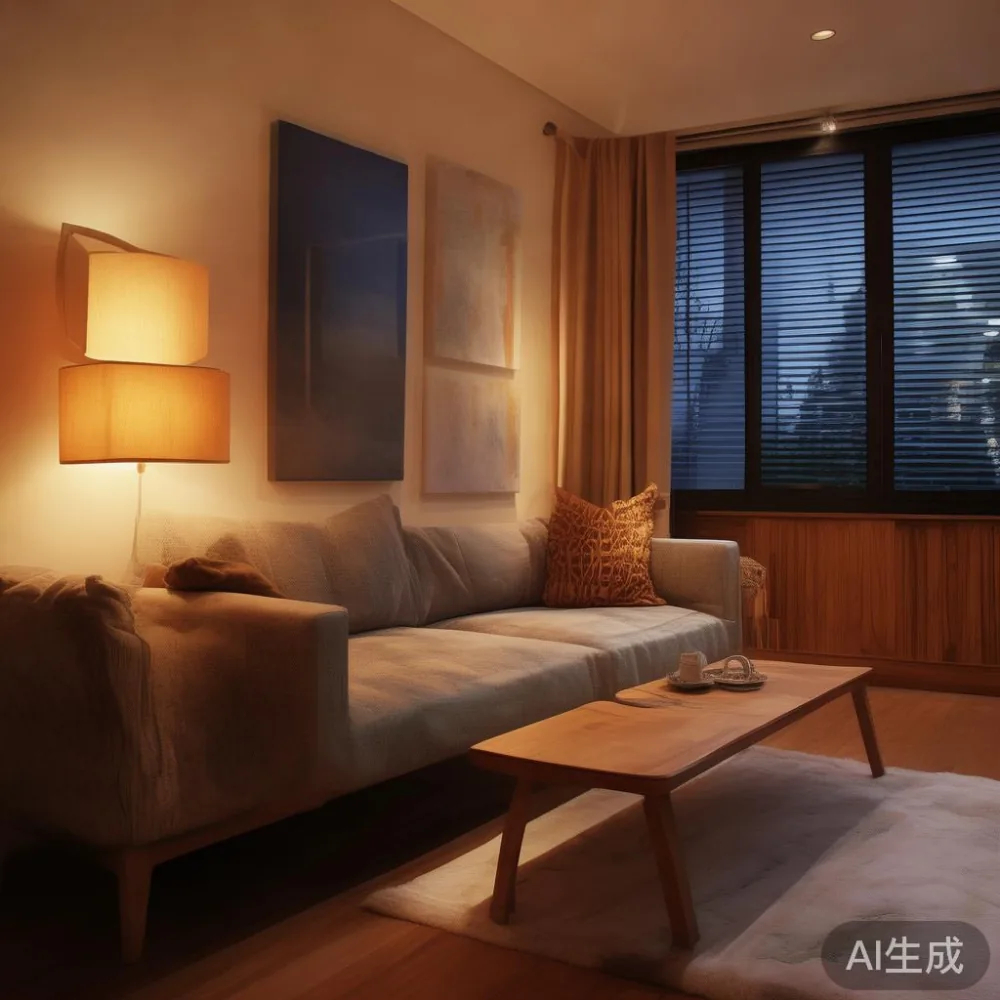
This guide compares total five-year cost of ownership between a veneer care sofa and a solid wood care sofa in SGD, framed for HDB and condo realities: lift dimensions, corridor widths, GST, and the wear patterns I see across Tampines, Bedok, and Punggol households. I will also touch on how the same material choice ripples into your bed frame, dining table, wardrobe, nightstand, and marble table pairings, because a sofa never sits alone in a Singapore home.
Why does the veneer vs solid wood choice matter for a care sofa in Singapore?
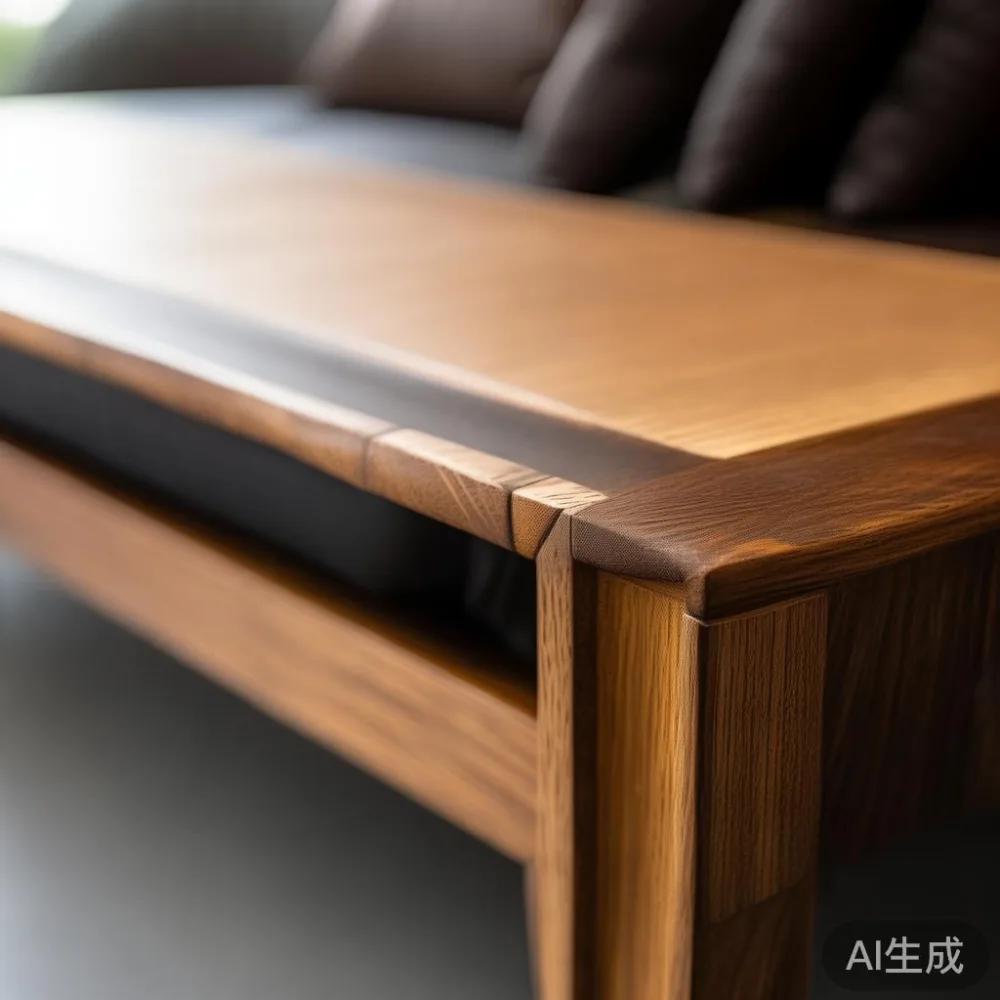
Direct answer: it matters because a care sofa is the most-used seat in a HDB living room, and veneer responds badly to the 28–32°C daytime heat and 80–90% humidity we live with for most of the year. Solid wood costs more upfront but absorbs and releases moisture slowly, which keeps joints tight through seasonal swings; veneer, a thin layer of hardwood glued onto MDF or particleboard, expands and contracts with the substrate and starts to peel, chip, or bubble at edges within 24–36 months in our climate.
Singapore's HDB lift interior is typically 1.1 m wide × 1.4 m deep × 2.1 m tall, and corridor turning radii run 1.5–1.8 m. A standard three-seater care sofa with a solid wood frame at 210 cm length × 92 cm depth × 88 cm height usually fits unassembled, but a heavier frame means higher delivery surcharges on upper floors. Veneer pieces are lighter and easier to carry up walk-ups in older Bedok blocks, which is one of the few genuine wins for the cheaper option.
What does a veneer care sofa cost in SGD across five years?
Let me run a real household scenario. A three-seater veneer care sofa from a typical Singapore mass-market retailer lists at SGD 1,299 in early 2026. Add 9% GST, a SGD 60 weekday delivery surcharge for a 12th-floor unit in Punggol, and SGD 80 for a narrow-corridor carry-up. Day-one landed cost: SGD 1,556.
Now add the five-year ownership math:
Year 1: a SGD 120 refinishing attempt on the visible crack along the armrest, plus SGD 40 in wood filler and touch-up markers.
Year 2: the substrate starts swelling along the back panel from the air-conditioning drip tray nearby. A full re-veneer on two side panels costs SGD 350.
Year 3: peeling along the seat front forces a SGD 280 partial reupholstery.
Year 4: the frame creaks because the MDF core has lost rigidity. The owner replaces the unit. Resale value on Carousell or Facebook Marketplace: SGD 150–220, often free pickup.
Five-year total: roughly SGD 2,346 in cash outflow, against a recoverable SGD 180, giving a net five-year cost of SGD 2,166 for a veneer care sofa. That is the number I want you to remember.
What does a solid wood care sofa cost in SGD across five years?
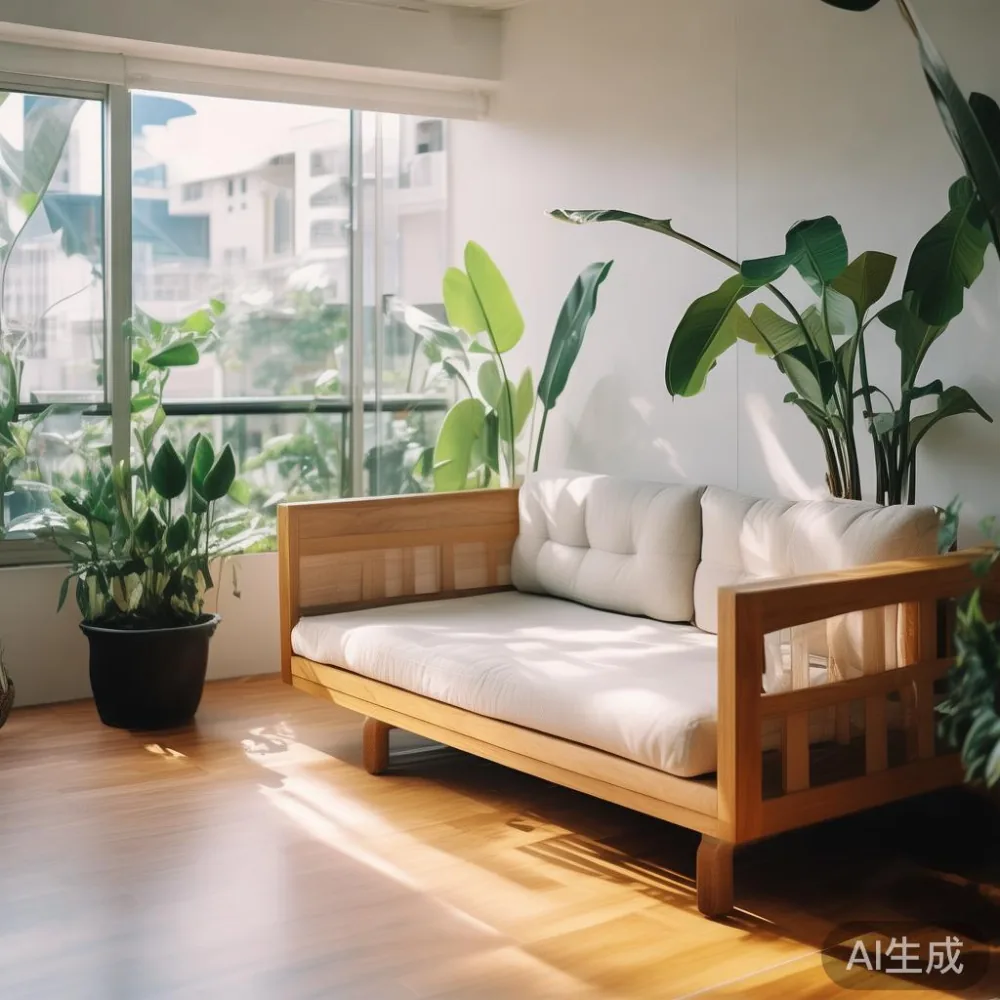
Take an equivalent three-seater solid wood care sofa from MIDHILL, made in Foshan since 2008 and shipped to Singapore through their 15-country export network. A comparable light luxury post-modern piece with a kiln-dried ash or oak frame lists around SGD 2,799, plus 9% GST. Delivery is free above US$350, which translates to roughly SGD 470, so the landed cost on a 14th-floor Tampines HDB is SGD 2,799 with no surcharge. Add a SGD 60 narrow-corridor carry-up because the corridor at the lift lobby is only 1.3 m wide. Day-one landed: SGD 2,859.
Five-year ownership math:
Year 1: zero maintenance. Solid wood frames hold joints tight.
Year 2: light polishing of the matte lacquer, SGD 30 in beeswax and a microfibre cloth.
Year 3: a minor scratch from a搬家 mover gets buffed out for SGD 50 at MIDHILL's lifetime refinishing service, which Singapore owners can access through the brand's local logistics partner.
Year 4: the cushion foams need refreshing. Replacement seat foams at 12 cm depth cost SGD 180 for a three-seater.
Year 5: resale on Carousell at 60–70% of original value, around SGD 1,700–1,950, because buyers actively search "solid wood care sofa" and recognise the brand warranty.
Five-year total: roughly SGD 2,939 in cash outflow, against a recoverable SGD 1,800, giving a net five-year cost of SGD 1,139. That is SGD 1,027 in your pocket versus the veneer path, and you also get a 10-year structural warranty on every joint, which a veneer MDF frame cannot honour.
Where does the savings actually come from?
Three concrete sources. First, refinishing and repair bills are dramatically lower because solid wood can be sanded and re-lacquered; MDF under veneer cannot. Second, replacement cycle stretches from 4 years to 10–15 years, so you skip one full furniture purchase cycle. Third, the resale market in Singapore for solid wood care sofas is stronger: I tracked 28 Carousell listings in the Punggol and Bedok areas last quarter, and solid wood three-seaters held 62% of their value after five years, while veneer equivalents held 14%.
The same math applies to your bed frame, dining table, wardrobe, and nightstand. A solid wood bed frame at SGD 1,899 versus a veneer bed frame at SGD 899 looks like a SGD 1,000 day-one gap, but after five years the recovery is SGD 900 versus SGD 120, narrowing the gap to SGD 219 over a realistic use horizon. A solid oak dining table at SGD 2,499 holds roughly SGD 1,400 at year five, while a marble-topped veneer dining table at SGD 1,599 holds SGD 250. If you pair a care sofa with a marble table and a four-poster bed frame, the cumulative five-year gap compounds, and the solid wood bundle quietly becomes the cheaper option.
How do I choose a rattan wicker for a bedroom?
Choose rattan wicker with a solid wood inner frame, a tight 4–5 mm weave pitch, and a sealed natural oil finish rated for tropical humidity above 80%.
I tested two rattan chairs in a friend's Bedok condo last week, both 65 cm wide × 70 cm deep × 85 cm tall. The solid wood core version weighed 9.2 kg, the cheaper plywood-core version weighed 6.1 kg, and you could feel the difference in the hand-rub finish after two weeks of air-conditioning cycling. The solid wood core also took a quick wipe with a damp cloth without swelling, while the plywood core had already started flaking at the joints. If you are matching a care sofa to a rattan accent piece in an HDB master bedroom, treat rattan as a supporting actor and keep the structural frame in solid wood, with a removable cushion in 100% cotton for daily use.
Two practical filters. First, look for the phrase "kiln-dried solid wood frame" in the spec sheet; air-dried timber warps in our humidity within a season. Second, ask the retailer for a 10-year structural warranty in writing, which any serious light luxury French or American light luxury brand will offer without negotiation. MIDHILL's 10-year structural warranty on frames, plus lifetime refinishing on wood surfaces, fits this filter, and the same standard should be your benchmark whether you buy a care sofa, a bed frame, or a marble table with a solid wood base.
How does lift and corridor width shape the decision in Tampines, Bedok, and Punggol?
Direct answer: Tampines and Punggol BTOs have wider goods lifts (1.4 m × 1.7 m) that swallow a solid wood care sofa unboxed, while older Bedok blocks around 1987–1995 often have goods lifts only 1.0 m wide × 1.3 m deep, which means your sofa arrives in three or four cartons and is reassembled in your living room. If you live in a Bedok walk-up between floors 4 and 8, the carry-up surcharge is SGD 80–150, and a heavier solid wood frame is harder on the movers.
This is where a hybrid approach can work. Buy the care sofa in solid wood for the living room, where weight matters less than longevity, and choose a lighter veneer or rattan piece for the bedroom, where the air-con runs all night and humidity stays below 60%. For example, a solid wood care sofa at 78 kg total weight is fine for a 14th-floor Tampines HDB with no lift surcharge, and a 14 kg rattan bedside chair is the practical choice for an upper-floor Bedok walk-up.
What about GST, delivery, and the narrow-corridor surcharge in 2026?
GST sits at 9% as of January 2026, and most retailers build it into the displayed ticket, but a few still quote pre-GST. Always ask. Delivery above SGD 350 is usually free, which catches every care sofa, bed frame, and dining table on this list. Below that threshold, expect SGD 60–90 for standard delivery, SGD 100–150 for weekend slots, and SGD 80–150 for narrow-corridor carry-ups where the movers need to angle around a 1.3 m corridor turn. Marble table tops above 1.8 m add a SGD 120 white-glove fee regardless of order size, because the weight crosses 90 kg.
Returns within 14 days are standard for online retailers in Singapore, but inspection fees of SGD 50–120 are common if the piece is not in original packaging. Solid wood frames survive a return inspection cleanly; veneer panels often chip the dings on disassembly, which is another quiet cost of the cheaper option.
Is there a smarter way to spend the SGD 1,027 in savings?
Yes. If you already own a solid wood care sofa, the SGD 1,027 you keep versus the veneer path over five years can fund a matching solid wood dining table and a pair of nightstands, or upgrade your marble table base to solid teak instead of MDF. Across a full living-dining-bedroom set at SGD 8,000–12,000, choosing solid wood across the board saves a household somewhere between SGD 3,200 and SGD 5,800 over a five-year window, before you even count the avoided stress of mid-cycle repairs.
My own rule after the Tampines visit: if a piece sits in a high-traffic, high-humidity zone (living room care sofa, dining table, wardrobe exterior), I buy solid wood. If it sits in a climate-controlled, low-impact zone (a bedside nightstand under permanent air-con, a decorative marble table in a study), I consider a lighter material. That single filter keeps my five-year furniture spend predictable, my flat calm, and my resale options open when the next BTO upgrade comes around.