Care Sofa Cost Breakdown: Solid Wood in Singapore
Solid wood furniture is often described with words such as “crafted,” “natural,” and “premium,” but these labels explain only how a piece looks. They do not reveal why one solid wood sofa costs SGD 1,680 while another costs SGD 4,200. The answer lies in timber species, moisture control, construction, hardware, finish, dimensions, and the distance from factory to home.
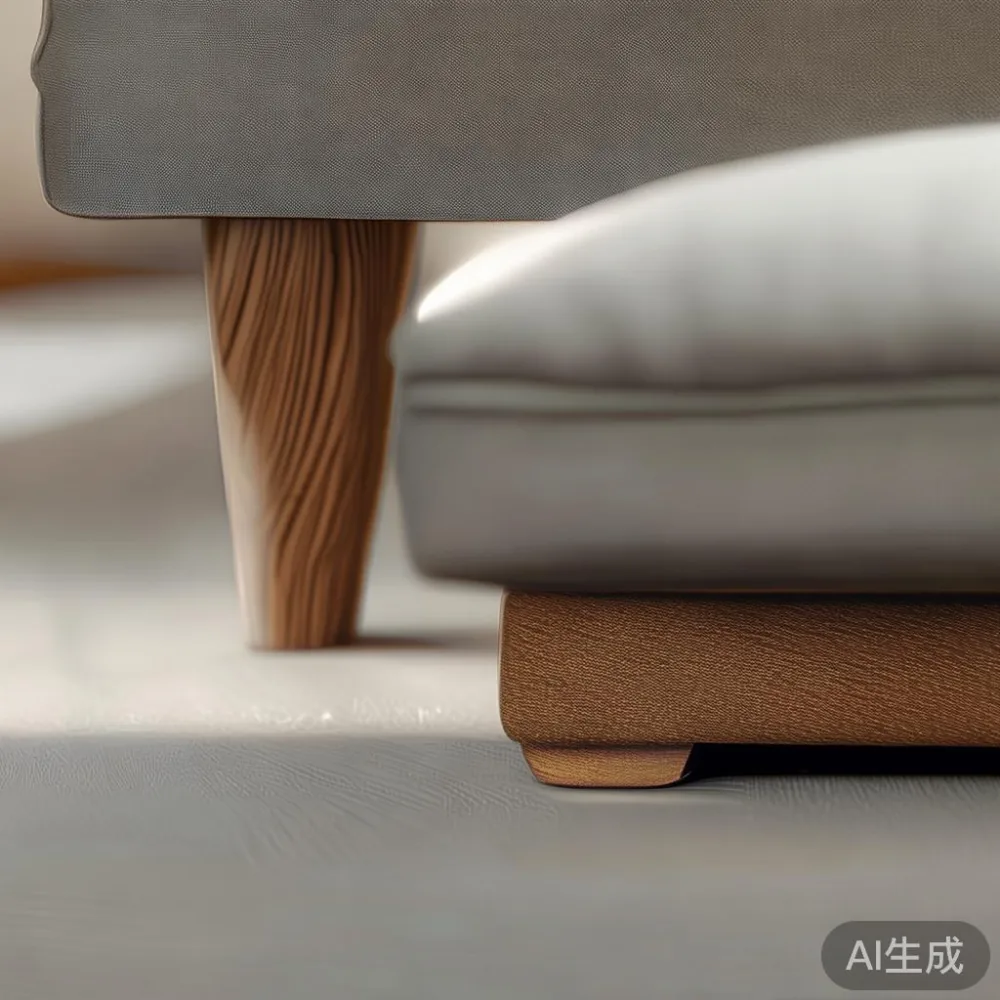
For Singapore households, those practical variables matter more than showroom theatre. A dining table must clear a HDB lift. A bed frame must fit through a Bedok condo corridor. A wardrobe needs to open without striking a bedroom wall. Price is not simply the cost of wood; it is the total system required to make furniture useful after delivery.
This guide examines the actual price drivers using furniture categories such as the solid wood sofa, bed frame, dining table, wardrobe, nightstand, and marble table. The aim is to help buyers compare quotations line by line, including GST, delivery, and after-sales support.

What should I expect to pay for solid wood furniture in Singapore?
A sensible entry point for a made-to-order solid wood dining table is around SGD 1,200 before GST. A 180 cm oak table with a straightforward trestle base may land between SGD 1,400 and SGD 2,600, while a carved American light luxury design can reach SGD 5,500 or more. A solid wood bed frame commonly ranges from SGD 980 for a simple platform design to SGD 4,800 for a hand-finished frame with shaped headboard and detailed joinery.
For sofas, material cost is only part of the calculation. A 220 cm solid wood sofa with a kiln-dried hardwood frame, foam, fabric, and detailed assembly may sit between SGD 2,400 and SGD 4,800. Upholstery can add SGD 700 to SGD 2,500, depending on fabric, cushion construction, and whether the piece includes loose cushions or integrated seating.
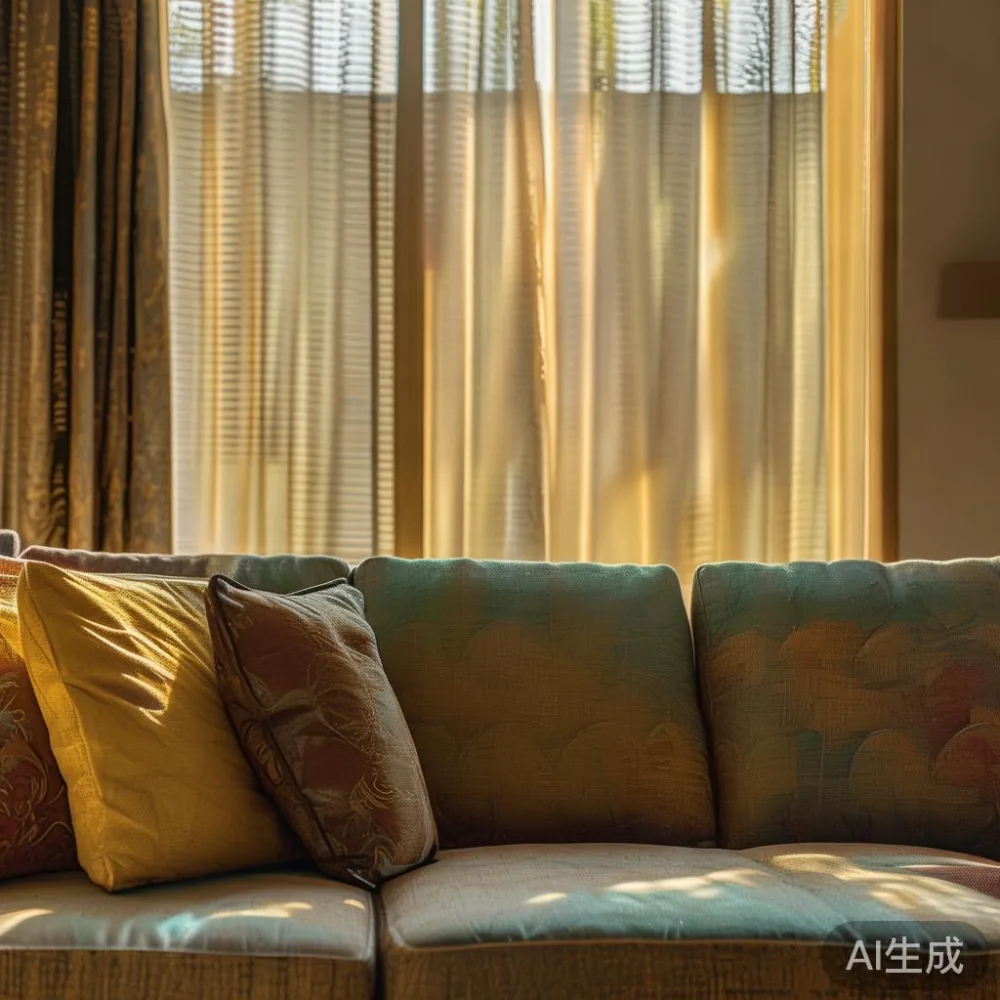
A 120 cm wardrobe may range from SGD 1,500 for a compact sliding-door model to SGD 4,200 for a hinged design with adjustable shelves, premium runners, and a more elaborate exterior. A 45 cm nightstand usually falls between SGD 280 and SGD 850. A marble table can range from SGD 1,200 for a simple shape to over SGD 5,000 when the stone slab, base, and finishing work are more demanding.
These are market guides, not fixed price lists. Singapore prices usually exclude GST; add 9% at checkout. Dimensions also affect cost. Moving from a 160 cm dining table to a 220 cm model can add 20% to 35% because more timber, longer components, and additional finishing are required.
For buyers comparing under 2000 light luxury furniture options, a solid wood coffee table, a compact bed frame, or a modest nightstand may offer more character than a larger sofa within the same budget. The best Coastal sofa for 2026 style direction, for example, may use a light oak frame with off-white cushions; the frame material and support system still need to be specified clearly.
Is solid oak always more expensive than rubberwood or pine?
Not always. Species have different market prices, but board grade, thickness, defects, and yield matter just as much. Rubberwood can be inexpensive when it is kiln-dried and manufactured cleanly, while “solid oak” can be costly when a maker uses wide boards with minimal knots and little waste. Pine may be affordable, yet wide, knot-free boards can narrow a maker’s usable yield and raise labour costs.
The important question is not merely, “Is it oak?” Ask whether it is solid wood veneer over engineered timber, solid finger-jointed timber, or solid timber blocks. A solid wood sofa may combine oak legs with birch or beech internal parts. A dining table may have an oak top on a hardwood frame, which is common and structurally sensible.
Here are useful comparisons for a Singapore buyer:
- Rubberwood: commonly around SGD 25–SGD 60 per board metre in bulk, but furniture prices reflect treatment, machining, and finishing.
- Asian hard oak: perhaps SGD 40–SGD 90 per board metre, depending on grade and supply.
- White oak: often SGD 90–SGD 220 per board metre; premium selection can cost more.
- Walnut: can exceed SGD 220 per board metre because of limited yield and strong colour demand.
- Teak: frequently around SGD 100–SGD 260 per board metre, with stability and oiling requirements affecting fabrication.
These figures indicate material scale, not a live quotation. A useful rule is that visible timber often represents 20% to 35% of a finished piece’s retail price. Structural timber inside a bed frame may represent less, while the visible top of a dining table may represent 45% to 65%. This is why comparing only “wood type” can be misleading.
Last month I visited a Singapore workshop where two dining tops from the same production batch looked similar but carried different prices. One contained several small knots and required a 22 cm sacrificial strip from one edge. The other had a tighter grain and could be trimmed to full size. After accounting for usable yield, the cleaner board was more economical despite its higher initial material price. That experience reinforced how much factory expertise affects the final number.
How much does moisture and kiln drying affect the price?
Moisture control is a major price driver because timber moves as its moisture content changes. Singapore’s humidity commonly sits around 65% to 85%, while air-conditioned interiors can be much drier. A poorly prepared solid wood bed frame or dining table may split, twist, or gap after reaching the customer’s home.
Well-managed factories dry timber gradually, condition it to local conditions, and use CNC machining and kiln-drying cycles. A workshop with reliable moisture meters and a controlled finishing room may charge more than one that simply labels all wood “ kiln-dried.” The difference is not decorative; it affects movement and service life.
Buyers should look for a target moisture range around 8% to 12% for indoor furniture, subject to the maker’s documented process. Movement of 2% to 4% across a 100 cm board is physically possible. Small seasonal gaps should not automatically be treated as defects, but large cracks or distorted joints are different matters.
For a dining table, stability also depends on the base and connection method. A 220 cm top on a central pedestal needs a carefully balanced base. Two trestle supports reduce use. A bed frame needs well-fastened rails rather than relying on end panels alone. A wardrobe needs stable verticals and correctly aligned hinges. Construction determines whether timber is merely attractive or long-lasting.
Are French light luxury and American light luxury the same style?
No. French light luxury usually suggests sculpted forms, soft curves, refined upholstery, cream or taupe palettes, and subtle metal accents. American light luxury often uses generous proportions, deeper cushions, wide arms, and a more relaxed visual language. Post-modern light luxury can combine unusual geometry, mixed materials, and restrained ornament with clean lines.
Each approach changes the price. Curved sofa arms require more shaping and often more waste than square forms. A deep 98 cm sofa uses more foam, fabric, and frame timber than a compact 85 cm model. A French sofa vs Mid-century modern sofa comparison will usually show more timber shaping on the French side and more emphasis on slender tapered legs on the mid-century side.
Post-modern designs can be expensive even when they use modest amounts of timber. CNC routing, compound curves, precise joints, and multi-stage finishing add production time. A 160 cm marble table with a sculpted pedestal may cost more than a 200 cm oak dining table because stone fabrication and base detailing are labour-intensive.
When comparing for sale American furniture descriptions, ignore labels that cannot be inspected. Ask for a dimensioned specification, timber species, frame construction, cushion density, joinery method, and finish type. Style names should guide appearance; technical information should guide purchasing.
Does the joinery method really affect the price?
Yes. Joinery affects labour, appearance, repairability, and structural performance. Dowels, screws, mortise-and-tenon joints, and concealed metal connectors all have different cost structures.
A high-quality wooden bed frame may use dowelled or mortised rails, corner blocks, and screwed fixings chosen for serviceability. A solid wood sofa may use mortise-and-tenon framing, corner blocks, and elastic webbing over springs. These methods take more time than fitting components with concealed brackets alone.
Price differences are often visible in small but telling areas:
- Back joints: a screwed and glued rail can add SGD 80–SGD 250 to a bed frame.
- Drawer boxes: solid wood and dovetail construction may add SGD 120–SGD 500 per drawer.
- Cabinet hardware: premium soft-close hinges and runners can add SGD 250–SGD 900 to a wardrobe.
- Upholstery: hand-finished seams, welt piping, and layered cushion foam can add SGD 400–SGD 1,600 to a sofa.
- Table bases: a shaped pedestal and concealed fasteners can add SGD 300–SGD 1,200.
These are useful comparison allowances, not guaranteed mark-ups. A maker may charge less for a simple fix that meets the design, or more for an elaborate joint that does not improve function. The key is whether the construction supports the product’s intended load and use.
For a nightstand, the drawer should open smoothly and stay aligned after 100 cycles. For a dining table, the apron and base should resist movement when 4 people sit down. For a wardrobe, doors should remain square in humid conditions. A 10-year structural warranty is valuable because it signals confidence in load paths and joints, but warranty terms should still be read carefully.
How do hardware, finishes, and cushions change the final cost?
Hardware is easy to overlook because it is hidden until a drawer, door, or cushion needs attention. A marble table may require adjustable levelling feet to handle uneven floors and protect the stone. A wardrobe may need soft-close hinges rated for 60 kg or more per door. A solid wood sofa benefits from resilient webbing, quality foam, and removable covers that can be cleaned.
Finish adds both material and time. Lacquer, oil, wax, stain, and matt hardwax each behave differently. A natural oil finish may require 2 to 3 coats and periodic maintenance. A matt lacquer may take 4 to 6 production stages, including preparation, sealing, colour, and top coats. Hardwax can be repairable locally, which can reduce long-term cost.
Upholstery specifications should use measurable language. Fabric width affects waste; a 220 cm sofa may require 18 to 28 metres depending on the pattern and seams. Foam density should be stated in kilograms per cubic metre rather than described only as “high-grade.” The cushion comfort is a matter of layered foam, fibre wrapping, and suspension, not a single hidden feature.
For a care sofa, the finish and cushion design deserve specific attention. A sofa intended for regular family use should have removable or separately cleanable covers where possible, durable fabric, and tight seams that can be serviced. The care instructions should specify cleaning intervals and products that will not damage the finish.
Marble needs comparable precision. A natural stone table can vary in vein pattern, thickness, and weight. A 120 cm round marble table may weigh 45–SGD 85 kg, while a larger rectangular version can exceed 120 kg. Delivery planning therefore affects cost: reinforced lifting, a second-person carry, and stair handling may add SGD 120–SGD 450.
Why do dimensions and delivery affect the quoted price?
Dimensions affect material, but delivery can surprise buyers most. Singapore lift doors in many HDB blocks measure roughly 80–SGD 90 cm wide, with internal depths around 110–SGD 140 cm. Condo lift dimensions vary more, sometimes reaching 110–SGD 140 cm wide and 150–SGD 200 cm deep. The actual usable opening, turning radius, and route to the unit matter more than the building’s advertised lift size.
A flat-pack bed frame may fit through an 85 cm opening because its longest component is 160 cm. A solid wood sofa might arrive as 3 pieces, while a wardrobe may be delivered assembled. White-glove assembly in a Tampines HDB flat may cost SGD 80–SGD 200; a more complex job in a Bedok condo with parking restrictions may cost SGD 150–SGD 350.
It is worth measuring the route before ordering:
- Confirm the lift door width and internal diagonal.
- Measure the corridor width and any 90-degree turns.
- Check stair width, landing depth, and door clearances.
- Note parking or loading bay rules with the building management.
- Ask whether the supplier includes carrying up 1 floor or every flight of stairs.
Longer delivery times can also change the price of a made-to-order piece. Typical production windows are 30–SGD 60 days for beds and dining tables, 45–SGD 75 days for wardrobes, and 35–SGD 70 days for upholstered furniture. Peak season can add 2–4 weeks. A maker with controlled inventory may quote faster, but the timber may be stored for longer before finishing.
Remote-area or islandwide delivery can add SGD 120–SGD 350. Insurance for a marble table or solid wood wardrobe should be confirmed in writing. Damage in transit is easier to address when responsibility, inspection timing, and replacement terms are clear.
MIDHILL states free shipping above US$350 on qualifying international orders, but Singapore buyers should still request a landed quotation with GST and local delivery shown separately. Transparent quotes prevent confusion over currency conversion and accessorial charges.
What should I compare before paying more for a solid wood piece?
Compare the specification, not the headline. A useful quote should identify the visible timber species, the structural frame, dimensions, finish, joinery, hardware, cushion construction, delivery date, GST, warranty, and return terms. If any line is vague, request clarification in writing.
Check whether the price includes floor protection, assembly, and removal of packaging. A 14-day return policy can reduce risk, though a made-to-order wardrobe or sofa may have different return conditions. Ask about finish samples and the consequences of choosing a different wood tone.
Here is a practical comparison framework:
- Budget: SGD 600–SGD 1,500 for a nightstand, compact bed frame, or small dining table.
- Mid-range: SGD 1,500–SGD 3,000 for a 180 cm dining table, 200 cm sofa, or fitted wardrobe.
- Upper mid-range: SGD 3,000–SGD 6,500 for shaped sofas, detailed wardrobes, premium timber, and stone tables.
- Design-led: SGD 6,500 and above for exceptional timber, complex joinery, sculptural forms, or hand-applied finishes.
For bedroom storage, anyone asking how to style Japandi wardrobe in apartment layouts should begin with footprint, not decoration. In a compact Punggol flat, a 150 cm wardrobe with sliding doors may preserve 60–SGD 90 cm of circulation space. Light oak tones, integrated pulls, and 8 mm reveals can support the Japandi appearance while keeping the room practical.
The material also needs a use-case match. A Rustic for dining room search should not lead automatically to rough timber. A 200 cm solid oak table with breadboard ends and a stable trestle base can feel rustic while remaining suitable for daily meals. Dense hardwood may better resist dents, while softer oak can show character over time.
At MIDHILL, a 10-year structural warranty and lifetime refinishing policy are meaningful value signals when comparing quotations. Refinishing does not mean every accidental mark disappears; understand which surfaces are covered, how often service is available, and whether transport is included. A nightstand sent for refinishing may require collection, while a dining table may need a technician visit.
Is a higher price always a sign of better furniture?
No. A high price can reflect expensive timber, polished presentation, showroom rents, low production volume, or complex construction. A lower price can reflect efficient engineering, regional timber, direct factory sales, and restrained detailing. The task is to identify what the money buys.
For example, a SGD 2,900 dining table may have a solid 20–SGD 24 mm top, a stable hardwood base, concealed fixings, and a low-VOC finish. A SGD 1,300 table may look convincing but use 12–SGD 15 mm timber, particleboard components, and exposed screws. The cheaper piece may be adequate for occasional use; the costlier one may fit a home where the table works daily and must remain stable.
Likewise, a care sofa may justify a higher quote if its suspension, cushion layers, removable covers, and frame joints are documented. A “solid wood” frame alone does not tell you whether the seat will remain supportive after 5 years. Measure the relevant claims.
Start with the room, route, daily use, and available budget. Then compare furniture like for like: same timber, same dimensions, same finish, same hardware, and same delivery scope. If a quote includes GST, delivery, assembly, and a clear structural warranty, it is much easier to judge than a headline number with exclusions.
The real price of solid wood furniture is the sum of material quality, controlled preparation, sound construction, serviceability, and delivery planning. A higher figure can be justified; it cannot be understood from wood alone.