The Real Cost of Your Sofa: A 5-Year Veneer vs Solid Wood Analysis for Singapore Living
In Singapore, where our living spaces are often compact and our climate is uniquely humid, the furniture we choose is a long-term investment. It's not just about style; it's about durability, maintenance, and how the piece holds up over the years in our HDB flats and condos. This is especially true for the centrepiece of our living rooms: the sofa. A care sofa should provide comfort and style without becoming a recurring expense. This analysis breaks down the 5-year cost of ownership for two of the most common sofa materials: engineered veneer and solid wood, using concrete figures and real-world scenarios.
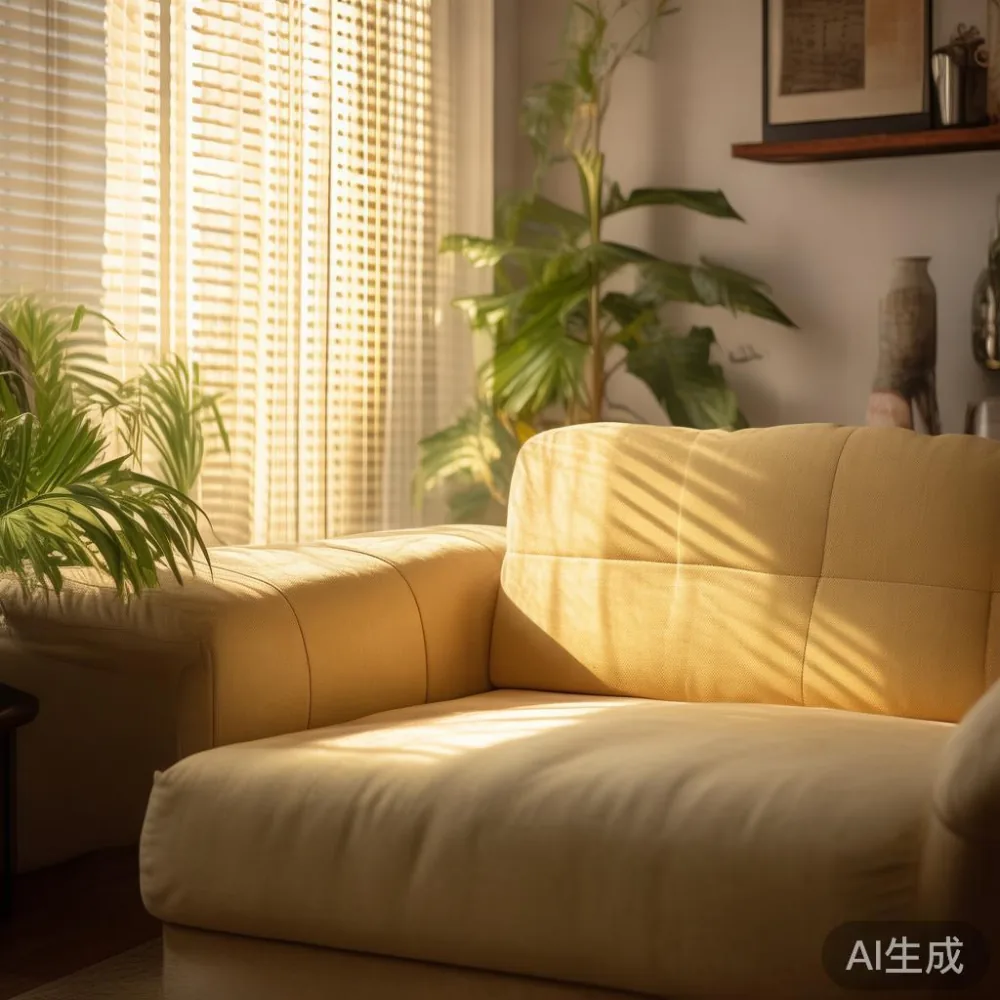
Understanding the Materials: Solid Wood vs. Veneer
Before we get into the numbers, it's important to understand the fundamental difference between these two materials. Solid wood furniture, like that made by Foshan-based MIDHILL, is crafted from a single piece of wood or solid wood panels. A solid wood sofa frame is solid, and its surfaces can be sanded and refinished multiple times. Veneer, on the other hand, is a thin layer of real wood applied over a base of engineered wood, such as MDF (Medium-Density Fibreboard) or particleboard. While veneer can achieve a beautiful aesthetic, its structural integrity is tied to the stability of its base material.
For a Singaporean home, the choice often comes down to initial cost versus long-term value. Let's consider two hypothetical sofas: a 220cm L-shaped sofa with a solid wood frame and a similar model with a veneer frame. Both are upholstered in a high-performance fabric suitable for our climate.
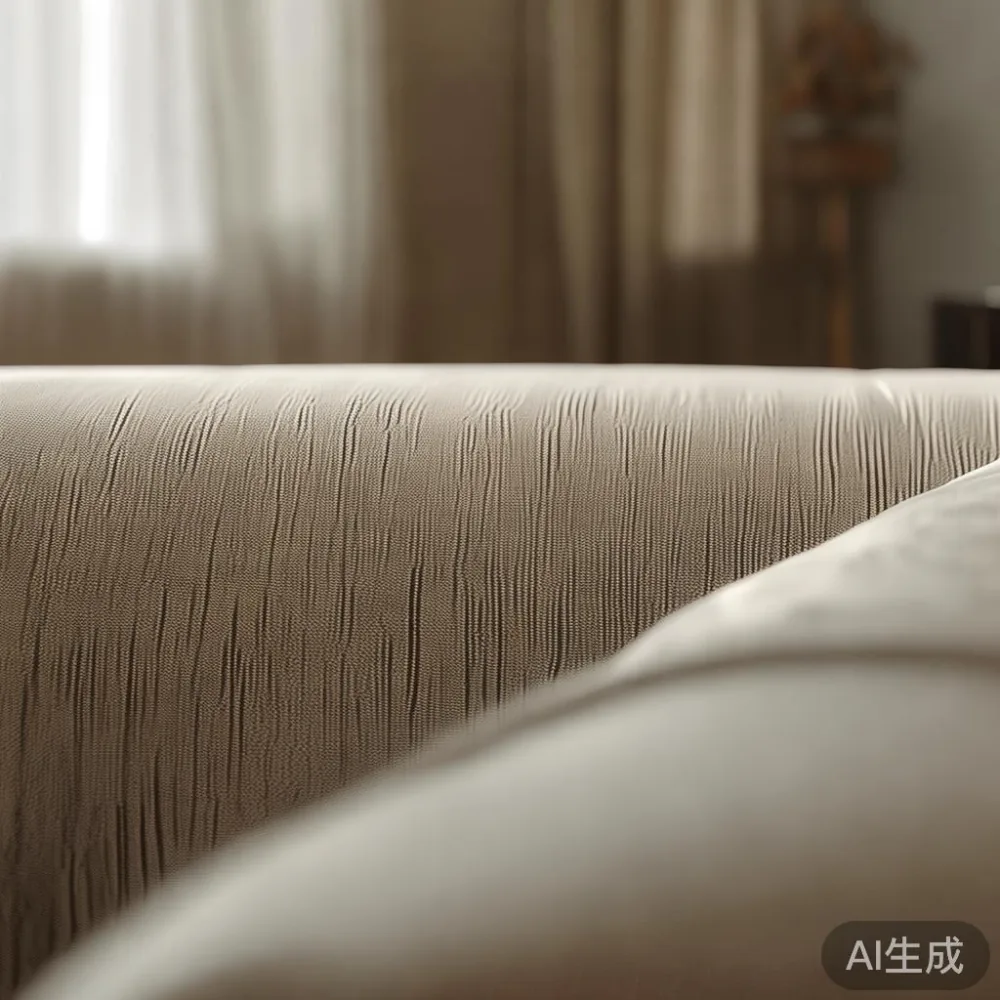
The Initial Investment: Upfront Costs in SGD
The price difference between solid wood and veneer is significant. For a standard 220cm L-shaped sofa, a veneer model might cost between SGD 2,500 and SGD 3,500. In contrast, a solid wood sofa frame of comparable quality and design will typically start from SGD 4,000 and can go up to SGD 6,500 or more. This initial premium for solid wood is the first financial consideration.
Why the difference? The raw material cost for solid wood, such as oak or walnut, is inherently higher. The craftsmanship involved in shaping and joining solid wood is also more labour-intensive. Veneer uses less expensive wood and a more automated process for the base, making it more accessible for a lower budget. For a young family in a Tampines HDB, this initial saving might be tempting, but it's only part of the financial story.

Year 1-2: The Comfort of Warranty and Peace of Mind
The first couple of years are where the structural warranty becomes a critical factor. A reputable solid wood furniture maker offers a 10-year structural warranty. This means that if the frame cracks, warps, or fails due to manufacturing defects, the repair or replacement is covered. This is a substantial safeguard against unforeseen issues. The warranty is a direct reflection of the manufacturer's confidence in their product's longevity.
For veneer furniture, warranties are often shorter, typically 1 to 3 years, and may only cover surface defects rather than structural integrity. A colleague of mine recently experienced this. Last month, she visited a showroom in Bedok and purchased a veneer dining table. Within 18 months, the MDF base began to sag under the weight of the marble table top. The warranty had expired, and the repair cost was SGD 800, effectively wiping out the initial savings from choosing veneer over a solid wood alternative.
For a care sofa, a 10-year structural warranty means that for the first decade, you are protected from major structural failures. This translates to significant peace of mind, especially in a humid environment where wood movement is a constant factor.
Year 3-5: The Hidden Costs of Repairs and Replacements
As we move into the third to fifth year, the financial narrative often shifts. This is the period where the initial lower cost of veneer can be eroded by necessary repairs. Veneer is susceptible to peeling, especially at the edges and corners. In a Singaporean condo with narrow corridors and lifts, moving a heavy sofa can lead to minor bumps and scrapes that compromise the thin wood layer.
Repairing peeling veneer is not a simple DIY fix. It requires professional intervention to re-glue and re-finish the affected area. A partial repair for a sofa might cost SGD 400 to SGD 800, depending on the extent of the damage. In contrast, a solid wood sofa can withstand minor impacts much better. If a solid wood surface gets scratched, it can be easily sanded out and refinished. The cost for a professional refinishing service for a solid wood sofa is approximately SGD 600 to SGD 1,200 for the entire piece, but this is a rare need and often done for aesthetic reasons rather than structural repair.
Consider the delivery aspect. Free shipping over SGD 350 is a standard offer from many brands. However, if a veneer sofa needs to be sent for repairs after a few years, the cost of transportation and handling can add up. A solid wood sofa, built to last, is far less likely to require such logistical and financial headaches during its first five years of use.
What About the Resale Value? A 5-Year Perspective
After five years, a well-maintained solid wood sofa retains a portion of its value. Its durability and timeless appeal make it a desirable second-hand item. If you decide to upgrade your living room, you might be able to sell your solid wood care sofa for 30-40% of its original purchase price. A five-year-old solid wood sofa in good condition is still a high-quality piece of furniture.
A five-year-old veneer sofa, on the other hand, has negligible resale value. The peeling edges, sagging base, and dated finish make it undesirable. Most people would not pay more than a few hundred dollars for a used veneer sofa, if anything at all. The depreciation is almost total. When factoring in the total cost of ownership, this loss of value must be considered. The initial 'saving' on a veneer sofa is a sunk cost with no return.
Is a Solid Wood Sofa Really Worth the Extra Money for Singapore Homes?
This is the most common question I receive from clients in Punggol showrooms. They see the price tag on a solid wood sofa and wonder if the investment is justified, especially in a smaller HDB flat where space is at a premium. The answer, based on a 5-year cost analysis, is a resounding yes when you consider the total cost of ownership.
Let's do the math. A veneer sofa at SGD 3,000 plus a SGD 600 repair in year 4 totals SGD 3,600. Its resale value is near zero. A solid wood sofa at SGD 5,000 with zero repair costs over five years has a potential resale value of SGD 1,500 (30% of original price). The net cost for the solid wood sofa is SGD 3,500. The difference is only SGD 100 over five years, but you have a superior, more durable, and more valuable piece of furniture. The peace of mind from a 10-year warranty is an intangible but significant bonus. For a care sofa, the choice becomes clear: the long-term value and durability of solid wood provide a more sensible financial foundation for your home.
Styling Your Care Sofa: Aesthetic and Practical Synergy
Choosing a material is one thing; integrating it into your home's design is another. The clean lines and natural grains of a solid wood sofa frame lend themselves beautifully to various interior styles. For instance, a solid wood bed frame can be the anchor for a minimalist Scandinavian bedroom, perfectly complementing the best Scandinavian sofa for 2026 in the living area. This creates a cohesive design language throughout your home.
For those who prefer a more opulent feel, the rich textures of solid wood can be part of an American light luxury aesthetic. Imagine a solid wood dining table paired with marble table accents and a plush care sofa in a neutral tone. This combination creates a sense of understated elegance. The versatility of solid wood also extends to other pieces. A best Mid-century modern wardrobe for 2026 in solid teak can be a stunning focal point in a bedroom, offering both storage and style. Similarly, a nightstand crafted from the same wood ensures harmony in the space. The principles of solid wood construction apply across your furniture, from the care sofa to the wardrobe, ensuring a unified and durable home environment.
Making the Smart Choice for Singapore's Climate
Singapore's humidity is a constant test for furniture. Solid wood, being a natural material, can 'breathe' and acclimate to changes in humidity better than engineered wood bases used in veneer furniture. This natural movement prevents the warping and cracking that can plague poorly constructed pieces. A solid wood sofa frame is less likely to develop creaks or become unstable over time.
When you consider the entire ecosystem of your home, the choice becomes even clearer. A care sofa with a solid wood frame is part of a sustainable approach to furnishing. It reduces the need for frequent replacements and repairs. While some might search for cheap Italian light luxury furniture as a shortcut to style, they often find that the compromises in quality lead to a higher cost over time. Investing in solid wood is an investment in reducing your environmental footprint and avoiding the cycle of disposable furniture.
Conclusion: A Financial and Emotional Investment
Over a five-year period, the financial gap between a veneer sofa and a solid wood care sofa narrows considerably, and in many cases, the solid wood option proves to be the more economical choice. The initial higher price is offset by the absence of repair costs, the longer warranty, and the potential resale value. Beyond the numbers, there is an emotional benefit. Owning a piece of furniture that is built to last, that develops a beautiful patina over time, and that becomes a part of your home's story is an experience that a cheaper, less durable alternative simply cannot provide.
For discerning homeowners in Singapore, whether in an HDB flat or a condominium, the choice is clear. A care sofa made from solid wood is not just a purchase; it is a wise investment in comfort, style, and long-term value for your home.