Veneer vs. Solid Wood Cost Comparison in Singapore
Choosing a care sofa for a Singapore home is rarely a decision about appearance alone. Residents of HDB flats in Tampines and Bedok, along with owners of compact condos in Punggol, must consider lift dimensions, corridor turns, humidity, storage needs, GST, and the sort of long-term care required by busy households. Veneer and solid wood both suit a light-luxury interior, but their 5-year costs can point in different directions.
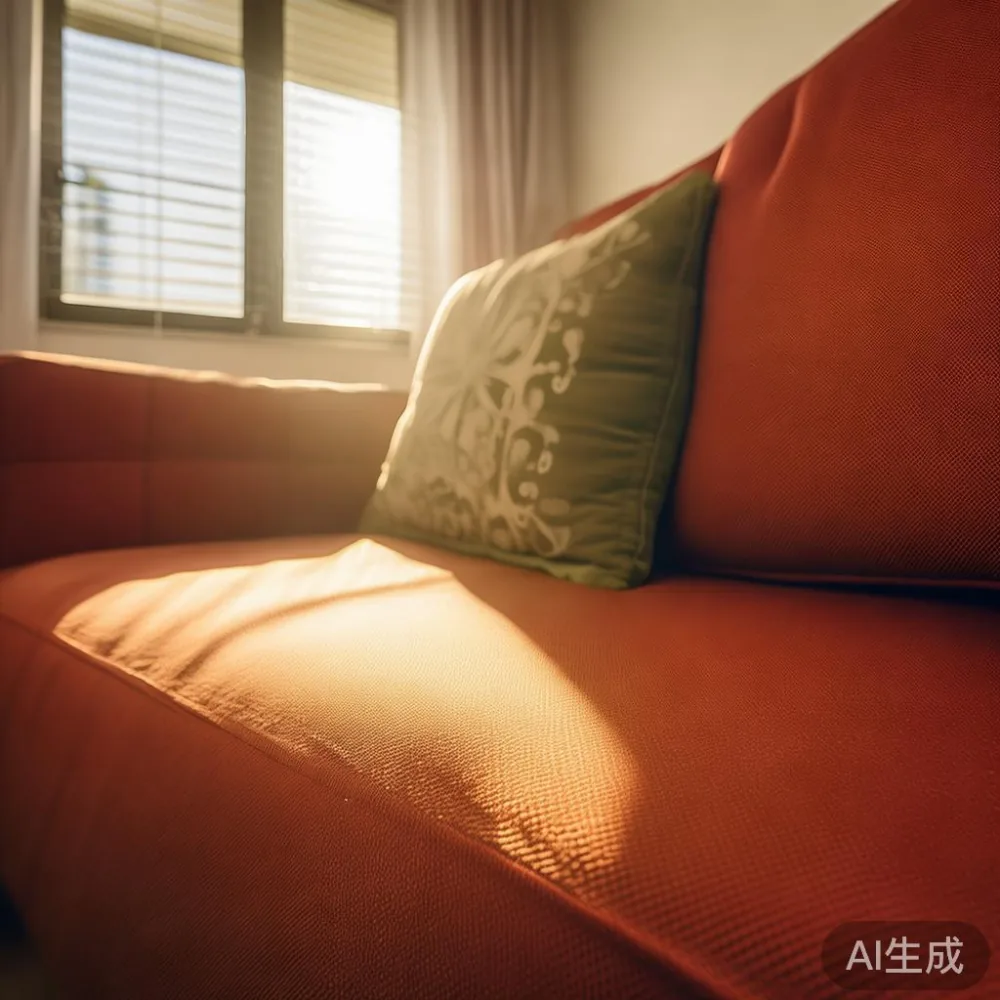
This comparison uses realistic Singapore pricing in SGD, including the 9% GST where stated. I have included purchase price, delivery, maintenance, repair risk, and likely resale contribution. The figures are planning estimates rather than quotations: floor area, access, timber species, upholstery, and hardware can change a project total by several hundred dollars.
What is the real difference between veneer and solid wood?
Veneer is a thin layer of timber, usually about 0.6 mm to 1.2 mm, bonded to a engineered core such as plywood or MDF. A typical veneer-backed care sofa panel may weigh 18 kg to 30 kg, compared with 35 kg to 55 kg for a comparable solid-wood frame or exposed timber section. The lighter construction can make delivery through a standard HDB lift easier, although the assembled dimensions matter more than the material.
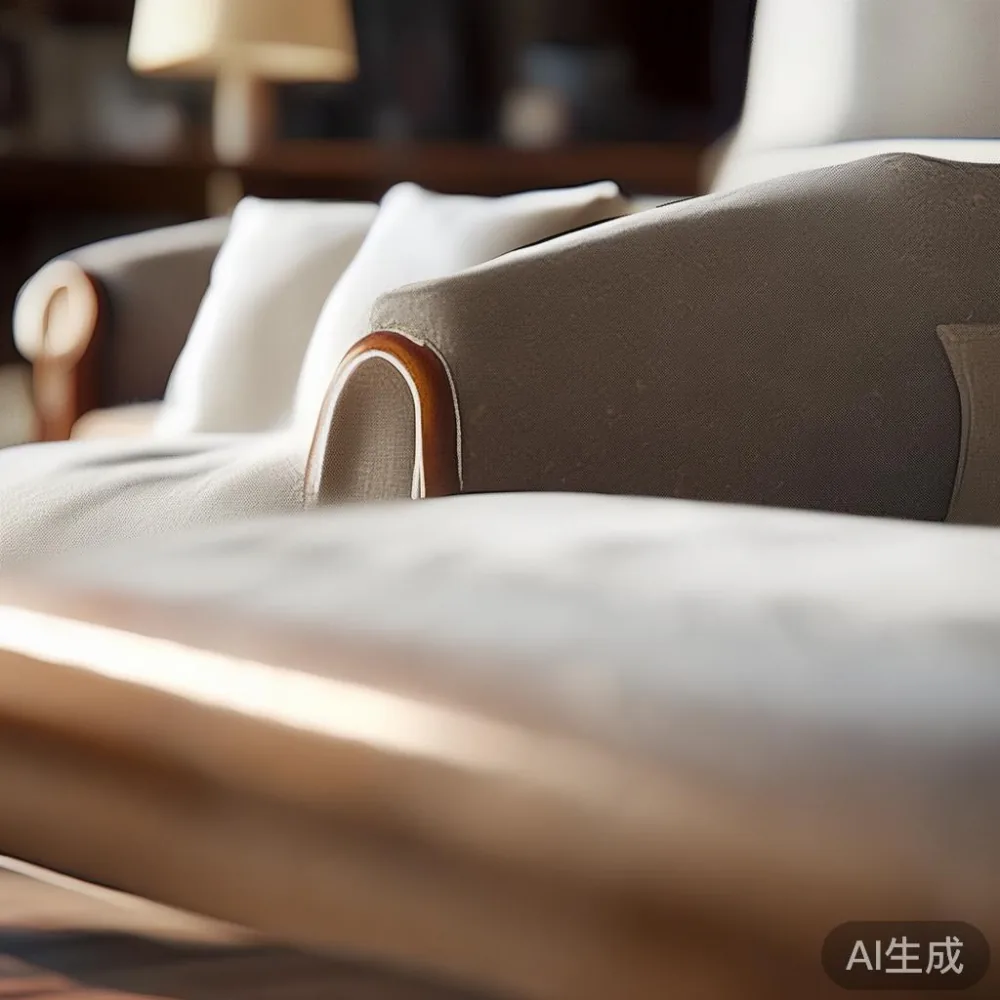
Solid wood uses timber throughout the visible or structural component. It is not automatically heavier in every design, but it generally requires more careful moisture control and repair. For a solid wood sofa, bed frame, dining table, wardrobe, or nightstand, expansion gaps and small surface marks are normal. Veneer can also chip at edges, bubble after moisture exposure, or lose its factory finish.
The distinction is partly about how the product is made, not merely how natural it looks. A well-built solid wood care sofa with stable joinery may age more gracefully than a thin veneer over a weak core. Conversely, a high-grade veneer with good edge banding can offer the visual warmth of timber at a lower weight and purchase price.
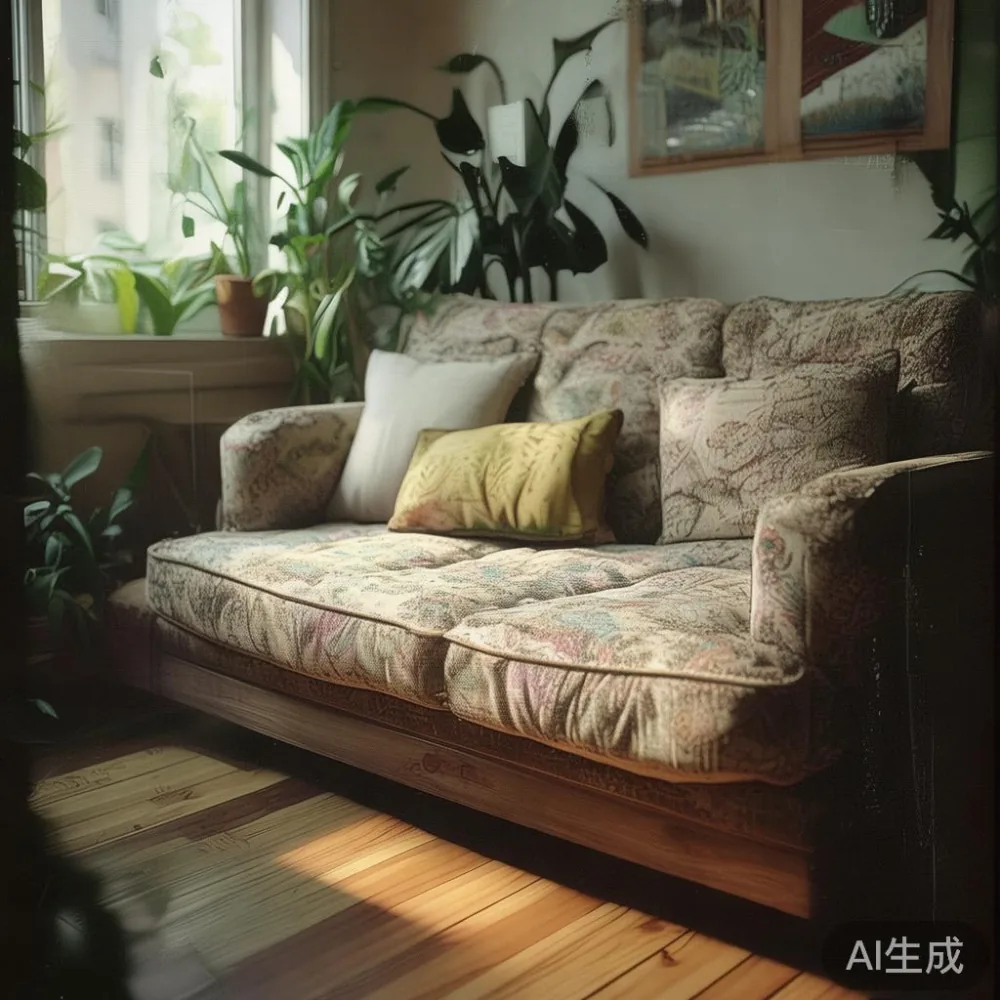
How much do veneer and solid wood care sofas cost over 5 years?
For a three-seat care sofa suited to a Tampines or Punggol living room, a mid-range veneer model may cost SGD 1,750 before GST and SGD 1,908 after 9% GST. A comparable solid-wood-frame model may cost SGD 2,650 before GST and SGD 2,889 after GST. That is an initial difference of SGD 981.
Assume delivery within Singapore costs SGD 90 for the veneer sofa and SGD 140 for the solid-wood model because of the greater weight. A compact care sofa with removable covers could require about SGD 220 in care during 5 years: SGD 80 for an upholstery deep clean in year 2, SGD 70 for cleaning in year 4, and SGD 70 for minor seam or hardware work. A solid-wood version may allocate SGD 350 to maintenance: SGD 120 for a professional clean and timber treatment in year 2, SGD 100 in year 4, and SGD 130 for sanding or refinishing.
Repair exposure changes the calculation. Allow SGD 300 over 5 years for one veneer edge repair or panel replacement, with a 25% chance of that cost occurring. The expected figure is SGD 75. For solid wood, allow SGD 250 for a local timber repair and finish restoration, also at 25% probability, producing an expected SGD 62.50.
The 5-year figures are therefore about SGD 2,318 for the veneer care sofa and SGD 3,442 for the solid wood option. Solid wood costs roughly SGD 1,124 more across 5 years, or about SGD 225 per year. Its potential advantage is durability; its disadvantage in this example is the higher purchase and treatment cost.
These totals exclude sales promotions and assume the furniture is used indoors. Exposing either product to a wet balcony or direct rain changes the maintenance pattern. For a household expecting at least 1 child and 2 pets, a replaceable cushion cover and sealed timber panel can reduce the expected repair cost by about SGD 150.
Which material has the lower 5-year cost for a solid wood bed frame?
A queen-size veneer bed frame in Singapore may cost SGD 1,180 before GST, or SGD 1,286 after GST. The equivalent solid wood bed frame may cost SGD 1,780 before GST and SGD 1,940 after GST. Delivery to a Punggol condo is estimated at SGD 120 and SGD 180 respectively, subject to lift size and parking distance.
Over 5 years, allow SGD 180 for mattress support inspection and minor screw replacement on the veneer model, plus an expected SGD 90 for surface repair. For solid wood, allow SGD 220 for movement checks and a small sanding-and-oil treatment, with an expected SGD 120 repair allowance. The 5-year totals come to approximately SGD 1,676 for veneer and SGD 2,460 for solid wood, a difference of SGD 784.
Solid wood can be sensible when the frame is moved often, the bed has a high centre of mass, or the household expects to keep it beyond year 5. A question such as “is American bed worth it” is really a question about dimensions, species, joinery, and warranty. A queen bed measuring 152 cm by 190 cm may need a lift lobby of at least 160 cm by 210 cm with the doors fully open. Check the mattress height, headboard thickness, and turning clearance before ordering.
For a compact apartment, the phrase Mid-century modern for apartment can describe the visual style, but it does not solve access. Request the packed dimensions of the bed frame, including the headboard, and compare them with the lift door, corridor width, and stair landing. A frame that fits the lift but cannot clear a 90-degree corridor turn is not deliverable as planned.
What do veneer and solid wood dining tables cost in 5 years?
A 160 cm by 90 cm veneer dining table with 4 chairs may cost SGD 1,250 before GST and SGD 1,363 after GST. A comparable solid wood dining table may cost SGD 2,150 before GST and SGD 2,344 after GST. Delivery estimates are SGD 160 for the veneer set and SGD 220 for the solid-wood set.
Let the veneer table use an expected SGD 100 for edge and top repair, plus SGD 100 for protective maintenance. The solid wood table may require SGD 160 for oil or lacquer care and an expected SGD 150 for local board repair. After 5 years, the totals are approximately SGD 1,723 and SGD 2,874. The solid-wood dining table carries about SGD 1,151 more in planned ownership cost over this period.
Humidity deserves attention in Bedok and Tampines. Relative indoor humidity can vary by roughly 15 percentage points across a day near an open window. Solid wood may move 2 mm to 4 mm across a wide board during seasonal changes; veneer may show less dimensional movement but can bubble if moisture reaches the adhesive bond. Wipe spills within 10 minutes, keep the table away from air-conditioning vents, and use a felt mat beneath hot vessels.
Modern for dining room often means clean edges, restrained profiles, and a durable surface. In a condο with a narrow dining zone, a 140 cm by 80 cm table may be more practical than a 160 cm by 90 cm model. The smaller table can seat 4 people at 60 cm per place, saving about 320 square centimetres of floor area.
Do veneer wardrobes and nightstands have different ownership costs?
A 120 cm-wide veneer wardrobe may cost SGD 1,450 before GST and SGD 1,581 after GST. A solid-wood wardrobe in similar external dimensions may cost SGD 2,550 before GST and SGD 2,780 after GST. Delivery is estimated at SGD 170 for the veneer unit and SGD 260 for the solid-wood unit.
Over 5 years, allow SGD 130 for veneer hinge and runner adjustments, SGD 60 for touch-up work, and SGD 80 for protective care. For solid wood, allow SGD 180 for structural checks, SGD 100 for finish maintenance, and SGD 110 for expected repair. The 5-year totals are around SGD 1,991 and SGD 3,430. A high-quality runner system can reduce adjustment costs by SGD 70 for either option.
A 45 cm-wide solid wood nightstand may cost SGD 420 before GST and SGD 458 after GST, while a comparable veneer nightstand may cost SGD 280 before GST and SGD 305 after GST. Add SGD 50 and SGD 70 respectively for delivery. A once-yearly 15-minute care routine costs about SGD 25 per item each year, or SGD 125 over 5 years. Expect a veneer nightstand to total roughly SGD 500 and a solid-wood nightstand roughly SGD 653 over the period.
The search term Mid-century modern with storage may favour a nightstand with one drawer and one open shelf, but small compartments must still be usable. A 28 cm-deep drawer can hold a laptop up to 36 cm diagonally, while a 15 cm shelf may not fit a 20 cm-tall speaker. This functional check is more useful than a style label alone.
How do marble table finishes affect a 5-year furniture budget?
A marble table is neither veneer nor solid wood, yet it provides a useful reference for care planning. A 90 cm round marble table with a timber or metal base may cost SGD 980 before GST and SGD 1,068 after GST. Delivery is around SGD 140. Allow SGD 150 for sealing or stain treatment over 5 years and SGD 75 in expected local repair exposure, producing a total near SGD 1,433.
Marble is less tolerant of impact than many people expect. A 1 kg object dropped from 20 cm can mark an untreated surface. Veneer edges can chip under a similar event, while solid wood may dent or bruise. Sealing reduces staining but does not prevent all mechanical damage, so use a placemat with a cork underside rather than relying on finish alone.
A veneer dining table with a marble-look top can cost SGD 1,480 before GST and SGD 1,613 after GST. Its visual similarity to natural stone does not make its care cycle identical. Confirm the actual top material, because “marble look” may mean sintered stone, printed ceramic, or printed MDF.
Can light luxury justify solid wood over veneer?
French light luxury often pairs pale timber, curved profiles, and upholstered seating. American light luxury leans toward larger proportions, deep cushions, and substantial-looking frames. Post-modern light luxury mixes wood with metal, glass, or stone. Across these languages, a solid wood care sofa can show grain variation and edge character that printed veneer cannot reproduce, but veneer can still create a convincing French or Scandinavian-style room when the figure and finish are selected well.
For a genuine solid wood sofa, request the timber species, moisture range, frame connection method, and finish type. A sofa with a kiln-dried hardwood core and upholstered panels may combine the appearance of timber with controlled weight. A fully timber-framed version may weigh 70 kg to 110 kg, versus 48 kg to 78 kg for a veneer-backed design. These weights are typical examples, not fixed specifications.
The query best Boho sofa for 2026 also illustrates why material alone is a weak shortcut. A care sofa with washable bouclé, removable seat covers, and solid-wood legs can suit a Boho room while using a mixed frame. When comparing a best Modern light luxury bed for 2026, look at the slat spacing, centre support, and available headboard sizes rather than assuming one material wins every category.
What should a Singapore buyer include in the 5-year calculation?
Use 5 equal annual columns, then record every expected cash cost. Include the item price, 9% GST, delivery, assembly, accessories, maintenance, and repair. For a care sofa, also add moving costs of roughly SGD 180 to SGD 300 within a condo or HDB flat, especially if the lift requires a service booking.
For access, measure the lift door opening, cabin depth, cabin width, corridor width, and narrowest turn. Many HDB lift openings are around 90 cm, while some condominium service lifts measure 110 cm to 130 cm wide. These are common examples, so verify the actual site. Record the packed length and diagonal dimensions of the sofa, not only its listed width.
Then compare the result with the likely service life. If a veneer care sofa is likely to be replaced after 4 years because a child’s staining habit changes, its full purchase price belongs in a 5-year budget. If a solid wood sofa remains in use for 10 years, dividing its 5-year spending by 2 may give a more useful annual figure than treating both products as identical assets.
MIDHILL furniture can be evaluated on construction details, delivery coordination, and written after-sales terms rather than on vague claims. A 10-year structural warranty has value only if the document defines “structural,” lists exclusions, and states how claims are processed. A lifetime refinishing commitment is similarly more useful when the scope, eligibility period, labour charges, and shipping responsibility are stated in writing.
Which option offers the smarter 5-year value?
In the examples above, veneer wins on immediate cash outlay. A veneer care sofa costs about SGD 1,124 less than a solid wood alternative over 5 years. A veneer bed frame costs about SGD 784 less, a veneer dining table about SGD 1,151 less, and a veneer wardrobe about SGD 1,439 less over the same period. These differences make veneer attractive for first homes, short holding periods, and controlled indoor environments.
Solid wood becomes more compelling when its repairability offsets part of the premium. A well-made solid wood bed frame can be sanded and refinished, while an engineered panel may require replacement after a deep edge chip. The financial advantage appears only if local repairs are likely and the finish can be renewed without replacing the whole component.
For most Singapore households, the practical approach is to compare 5-year cash cost and expected usability together. Select veneer for lighter delivery, lower initial spending, and clean indoor use. Choose solid wood when the piece will be moved, refinished, inherited, or kept beyond 5 years, and when the premium feels comfortable against the quoted service support.
Before ordering, request the packed dimensions, actual timber or core specifications, care instructions, GST-inclusive price, delivery lead time, return window, and warranty terms. For items above SGD 350, MIDHILL’s stated free-shipping offer can improve the comparison, but only if the delivery terms and destination are confirmed. A careful 5-year budget is not about choosing a material by reputation; it is about matching construction, access, and maintenance to the way your home is really used.