Caring for a Lacquered Care Sofa in a Singapore Tropical Climate
I keep a lacquered care sofa in my living room in Tampines, and after two monsoon seasons I have learned that Singapore humidity is unusually punishing on lacquered furniture. The average relative humidity here sits between 78% and 92% for most of the year, and indoor humidity in a HDB flat without a 24-hour dehumidifier regularly climbs above 75%. A solid wood sofa with a piano-black or warm walnut lacquer finish can look brand new for a decade or it can haze, blush, and micro-crack within two years depending entirely on how it is treated. This guide is written for Singapore owners of lacquered care sofa pieces, their matching dining table, bed frame, wardrobe, nightstand, and occasional furniture such as a marble table or TV console, who want practical, numbered answers rather than vague advice.
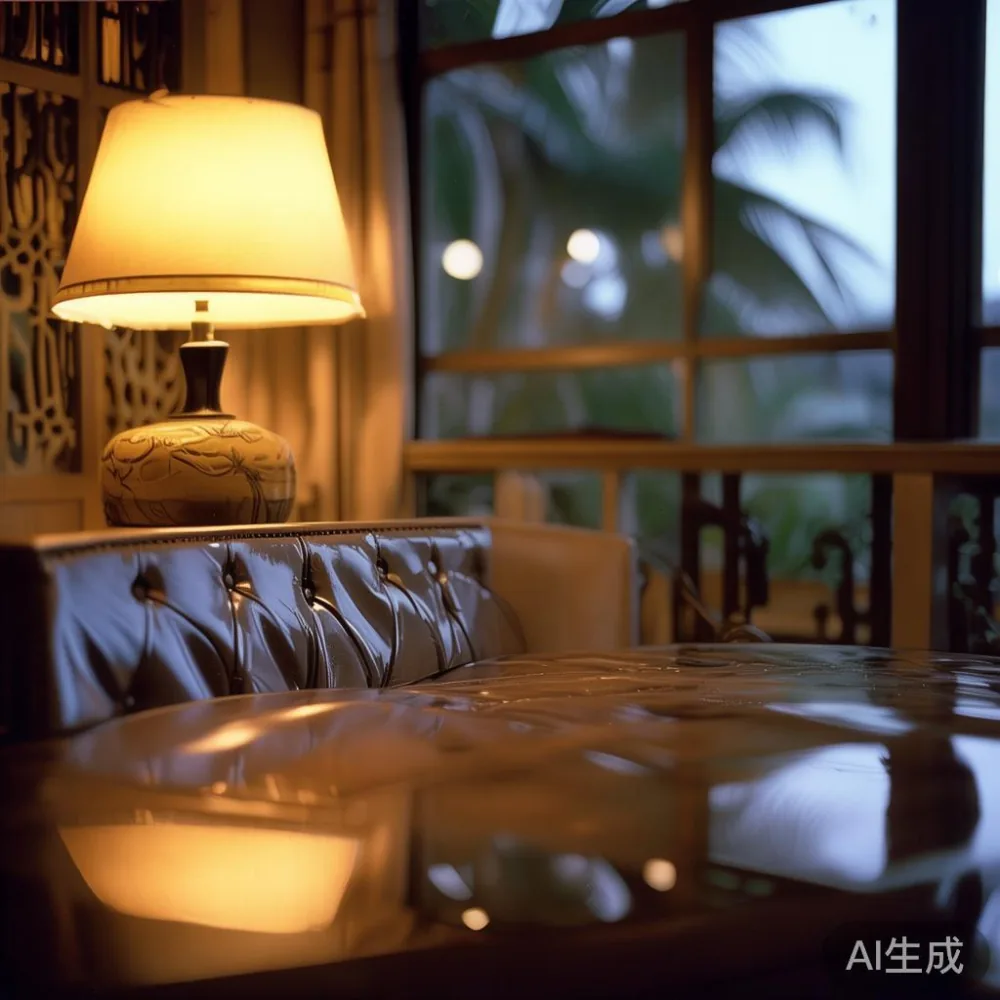
Why does a lacquered care sofa behave differently in Tampines or Bedok than in a temperate climate?
Lacquer is a film finish. Whether it is a conversion lacquer, a pre-catalyzed lacquer, or a post-modern light luxury hand-rubbed piano finish, it cures by solvent evaporation and chemical crosslinking into a hard skin 0.04 mm to 0.08 mm thick over the solid wood substrate. In a climate that swings between 24°C and 34°C and holds moisture at 80% RH for nine months of the year, that skin is constantly absorbing and desorbing water vapour. Wood fibres underneath expand roughly 0.25% across the grain for every 4% change in moisture content, while the lacquer film barely moves. The mismatch is what creates the white blush you see at 9 pm after a thunderstorm, the hairline cracks along the armrest crown, and the dull patches where the sheen has evened out unevenly.
My colleague in Punggol owns a 2.4 m lacquered European-style care sofa with a satin walnut finish. Within fourteen months the outer arm panels had developed a milky haze that would not polish out. A local restorer quoted him SGD 480 to strip and re-lacquer just the arm panels, which he declined. He now runs a 12 L dehumidifier set to 55% RH twenty hours a day in the living room , and the haze has not worsened in eleven months. The point is not that dehumidification alone saves lacquer, but that without it, no cleaning routine will.
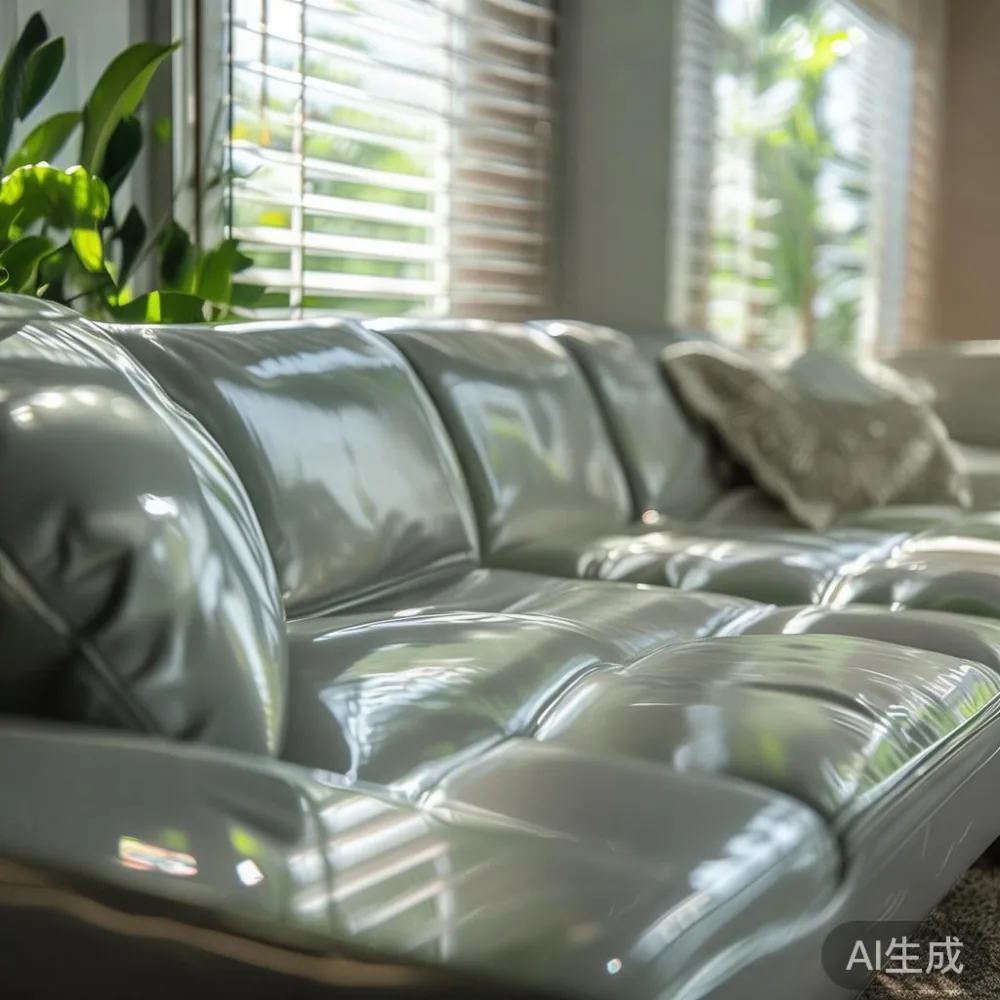
What humidity range should I keep my lacquered furniture in?
Aim for 50% to 60% RH, and a temperature band of 22°C to 26°C. Below 45% RH in an air-conditioned bedroom all night, joints in a solid wood bed frame can dry, the lacquer can craze, and the next morning the panels will have shrunk roughly 0.3 mm. Above 65% RH, the lacquer film stays slightly plastic and any pressure mark from a cushion becomes permanent. I run a small thermo-hygrometer (SGD 18 at any Mustafa electronics aisle) at sofa-back height and read it every Sunday. When the reading climbs past 62%, the 12 L dehumidifier in the living room comes on for two to three hours and pulls roughly 350 ml of water out of a 90 m² HDB flat. The running cost is about SGD 0.16 per hour at the current 0.30 SGD/kWh tariff, so a typical month costs under SGD 12.
Condominium corridors in places like Bedok Reservoir and Punggol Waterway tend to be 1.4 m to 1.6 m wide, which is just wide enough for a flat-pack care sofa box measuring 2.5 m × 1.05 m × 0.9 m to be rotated diagonally by two delivery men. If you order a European-style light luxury care sofa with marble table side panels, double-check that the box weight stays under 95 kg per carton; beyond that, the lift payload of most HDB blocks (680 kg to 1000 kg) gets tight when four cartons and two movers share the cabin.
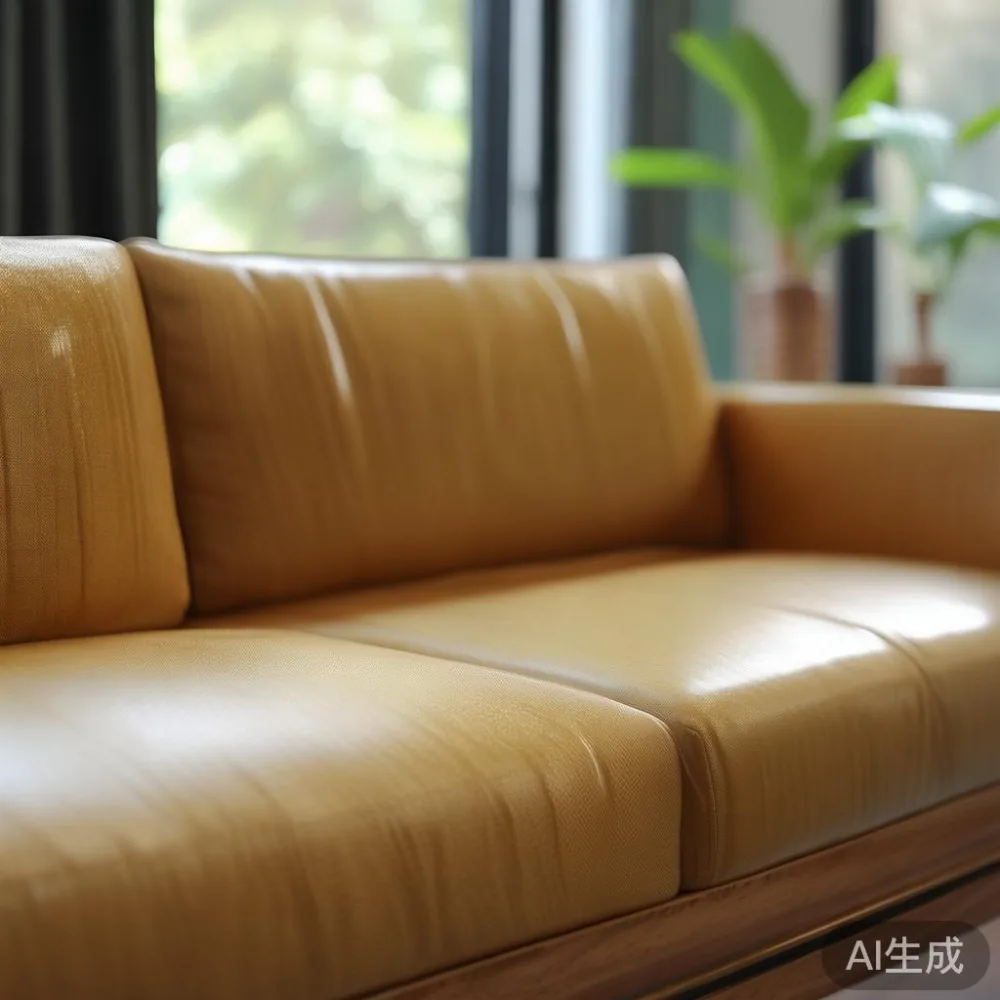
What is the correct daily and weekly cleaning routine for a lacquered care sofa?
Daily: a 30-second dry dust with a clean microfibre cloth (16″ × 16″, 220 gsm). A horsehair brush is too abrasive on cured piano lacquer and will leave micro-scratches within weeks. Wipe in the direction of the wood grain, not across it, and never in circles.
Weekly: a barely damp microfibre cloth with distilled water only. Singapore tap water contains roughly 60 mg/L of dissolved minerals, and the calcium and silica will deposit as a thin film that dulls the sheen within four to six weeks if used repeatedly. Distilled water at SGD 4 for 5 L from FairPrice is enough for two months of weekly wiping on a three-seater care sofa.
Monthly: a dedicated pH-neutral lacquer cleaner. Two products I have actually used are Howard Restor-A-Finish (SGD 18 for 250 ml at Tan Boon Liat) and Borma Holzlack (SGD 22 for 250 ml at a Punggol specialty shop). Apply 5 ml to a microfibre pad, work in a 30 cm × 30 cm area along the grain, and buff dry within 90 seconds. Never leave a wet film sitting on piano-black lacquer for more than two minutes; it will blush.
Spills: blot, do not wipe. Coffee, tea, and teh tarik should be lifted within 30 seconds. Red wine, soya sauce, and turmeric will stain a light lacquer inside 90 seconds and should be flushed with distilled water, then dried.
How should I handle sunlight and air-conditioning airflow on a lacquered care sofa?
West-facing windows in HDB flats above the eighth floor get 2.5 to 3.5 hours of direct afternoon sun, and the lacquer surface temperature can climb past 48°C. Lacquer softens above 45°C and dents at 55°C, so position your care sofa at least 1.2 m from any west-facing window or fit a 5%-open UV film (SGD 18 per m² installed). UV film blocks about 95% of UVA and 60% of bandaging infrared, and it drops the surface temperature by 6°C to 8°C.
Direct air-conditioning airflow is also a problem. A 9,000 BTU split blows air at 2.5 m/s, and the constant dehydration on the side of the care sofa facing the vent creates a microclimate of 38% RH right at the surface. Over 14 months this causes uneven sheen and a visible line roughly 35 cm down from the top of the backrest. Redirect the louver 30° upward, or move the sofa 80 cm further from the vent.
Can I place a lacquered care sofa near the kitchen or service yard?
Keep it at least 2.0 m from a stove and 1.6 m from a service yard door. Cooking aerosols — especially from stir-frying with 15 ml to 30 ml of oil at 180°C — settle as a sticky film on lacquer within 60 cm to 90 cm of the hob and yellow a satin finish inside 8 to 12 months. A downdraft extractor helps, but a lacquered care sofa less than 2.0 m from the hob will need professional cleaning every 9 to 12 months, at SGD 110 to 160 per visit.
If you are browsing for sale European furniture and considering a lacquered care sofa as your anchor piece, measure the room and the lift first. A 2.6 m three-seater with a chaise will not fit a standard HDB lift (door 0.9 m × 2.1 m, cabin 1.2 m × 1.5 m × 2.3 m) without tilt-up assembly on site, which adds SGD 80 to 120 to the delivery fee.
What about pairing a lacquered care sofa with a marble table, TV console, or bed frame?
A lacquered care sofa with a marble table coffee piece is a classic French light luxury pairing, and a post-modern light luxury TV console with a brushed brass base sits naturally next to it. Keep a 25 mm felt pad under every marble corner; marble expands only 0.01% across its face but it abrades the lacquer shelf beneath it within weeks. The same rule applies to a solid wood bed frame at the foot of the care sofa — felt pads (SGD 6 for a pack of 24) on every leg.
A lacquered wardrobe in the same room as the care sofa should not share a wall with a bathroom or kitchen service yard. The moisture gradient across 2.4 m of wall will haze the wardrobe panel closest to the wet zone within 18 months. Repositioning by 60 cm, or installing a 100 mm-thick moisture barrier behind the drywall, prevents the problem.
If you are also choosing a nightstand or a side table, pick pieces finished in the same lacquer system. Two coats of pre-cat and one coat of post-cat will not blend visually; under raking light at 9 pm the difference reads as a 5% gloss variance. When ordering a matching care sofa and nightstand set, request the same batch number from the factory — MIDHILL assigns batch codes on every lacquered care sofa, bed frame, and dining table they ship, which means the colour and sheen stay consistent within a 0.5% tolerance. Solid wood furniture from a factory that batches finishes this tightly is rare outside of custom European workshops.
What are the warning signs that lacquer needs professional attention rather than DIY?
Three signs mean stop cleaning and call a restorer:
1. White blush or haze that does not polish out with a 2-sided pass of Restor-A-Finish. The lacquer has absorbed moisture into the film itself, not just the surface, and amateur polishing will burn through the soft top layer.
2. Hairline cracks visible at 30 cm viewing distance. These are stress cracks in the film, often where the underlying solid wood has crossed two grains. Repair means sanding to 320 grit, re-sealing, and re-lacquering the panel. Cost: SGD 180 to 320 per panel in Singapore.
3. Yellowing beyond an even patina. Lacquer yellows 2% to 4% per year in UV-exposed areas. Beyond 15% yellow shift, the only fix is a full strip and re-finish, which for a three-seater care sofa costs SGD 600 to 900 and takes the piece off-site for 7 to 10 working days.
How does MIDHILL support Singapore owners after delivery?
MIDHILL ships lacquered care sofa, dining table, bed frame, wardrobe, and nightstand pieces from Foshan with sea freight that lands in Singapore in 18 to 24 working days for a 20 ft container or 24 to 32 days for an LCL consignment. The 10-year structural warranty covers frame and joinery, and the lifetime refinishing programme applies to lacquered surfaces: you can ship a care sofa arm back to the Foshan factory every 8 to 12 years for a factory-grade strip and re-lacquer at a quoted SGD 280 to 420 per panel, which is roughly half what a Singapore restorer charges.
Free shipping kicks in above US$350, which at the current 1.34 SGD/USD rate is about SGD 470. Below that threshold, a 2-piece care sofa delivery to a fourth-floor HDB in Bedok with no lift is roughly SGD 90 to 140, depending on stair flights. The 14-day return window applies to unused pieces in original packaging, and GST at 20% on the landed CIF value is collected at Singapore customs.
Where does a lacquered care sofa fit in the current Singapore design landscape?
Two style families dominate 2024–2025 HDB and condo interiors in districts like Punggol, Sengkang, and the new Tampines GreenRidges. The first is French light luxury: warm walnut or oak solids with a soft 12% sheen lacquer, slim 18 mm legs, and a deep 600 mm seat depth that suits Singaporeans who like to sit cross-legged. The second is American light luxury: 25 mm legs, square arms, deeper buttoning, and a 7% to 10% matte sheen in walnut or ash. Both styles can absolutely live with a luxury Mid-century modern furniture accent chair in the same finish family, and both pair naturally with a post-modern light luxury marble table and a MIDHILL TV console in brushed brass.
If you are comparing a European bed vs Italian light luxury bed for the master room, the finish durability on both is similar once you apply the rules above. Italian light luxury pieces tend to use a higher-solids conversion lacquer that resists blushing better, but the price is roughly 18% to 25% higher than a comparable Foshan-made piece in the same finish family. For most owners of a 1,200 sq ft HDB flat in Bedok or a 1,400 sq ft condo in Punggol, a Foshan lacquered care sofa offers the same surface chemistry as a Milanese one at a third of the freight-inclusive cost. The differentiator is not the lacquer chemistry — both are nitrocellulose or pre-catalysed systems — it is the discipline of the aftercare.
Quick reference card, printable and pin-on-the-fridge: keep 50%–60% RH year-round, 22°C–26°C, no west sun within 1.2 m, no AC vent within 0.8 m, microfibre + distilled water weekly, pH-neutral cleaner monthly, blot spills inside 30 seconds, felt pads under marble table legs and nightstand feet, dehumidifier bill under SGD 12 per month, dehumidifier runtime 2–3 hours per day, batch code matched on every matching piece, refinish every 8–12 years at the factory. Followed literally, a lacquered care sofa in a Tampines or Bedok HDB will look 85% as good at year ten as it did on day one.