Caring for a Lacquered Surface in a Tropical Climate
I learned about lacquer the hard way. Last month I visited a 680 sq ft condominium in Punggol, where the owners had placed a beautiful dark walnut bed frame right next to a floor-to-ceiling window facing the afternoon sun. Within eighteen months, the sheen on the headboard had bloomed into a patchy, cloudy finish. The culprit was not the wood itself, but the lacquer reacting to three forces Singapore delivers every single day: high humidity, UV radiation, and salt-laden air drifting up from the East Coast. If you own (or are about to own) a French light luxury piece with a piano-grade lacquer, this guide is written for your climate.
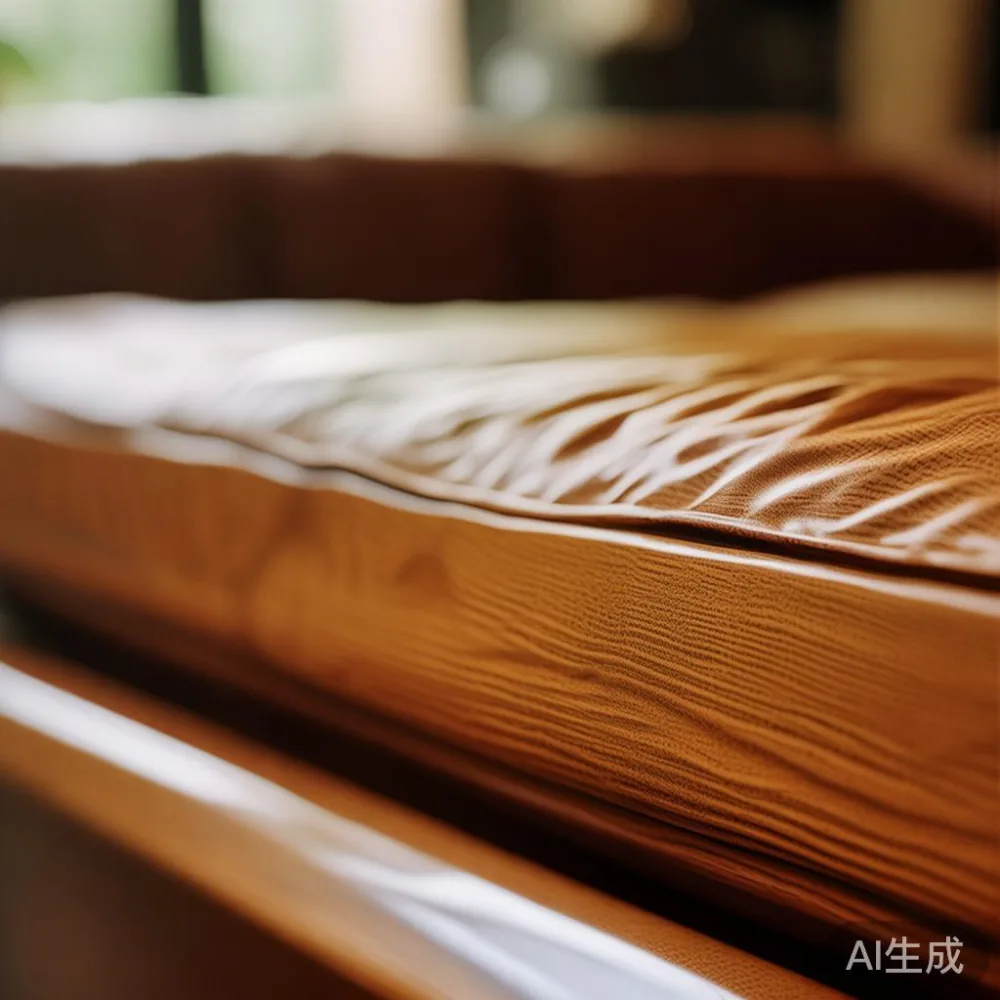
Lacquer is not paint. It is a film built up in dozens of solvent-borne or water-borne layers, then polished to a glassy depth of around 0.05 to 0.12 millimetres. That thin shell is what gives a care sofa or dining table its liquid-mirror look, but it is also what makes the surface sensitive to moisture, heat, and abrasion. In Singapore, where the mean relative humidity sits between 70 and 85 percent for most of the year and temperatures rarely drop below 24 degrees Celsius at night, lacquered furniture is in effect living inside a slow-motion sauna. The good news: with a few habits and the right products, a properly finished piece from a maker such as MIDHILL can hold its gloss for fifteen years or more, even here.
Why does lacquered wood struggle in Singapore's humidity?
Wood is hygroscopic. It absorbs and releases moisture constantly, and at 80 percent ambient humidity it is constantly trying to swell. Lacquer resists that swelling for a while, then micro-cracks along the grain. Add 2,000 mm of annual rainfall, monsoon gusts through open windows, and air-conditioner cycles that swing the room from 23 to 28 degrees Celsius, and you have the perfect environment for what the trade calls "lacquer blush" — a milky haze that no amount of dry-cloth wiping will remove. Salt particles from the coastal breeze around Tampines and Bedok accelerate the problem because chloride ions break down the cellulose fibres in the finish over time.
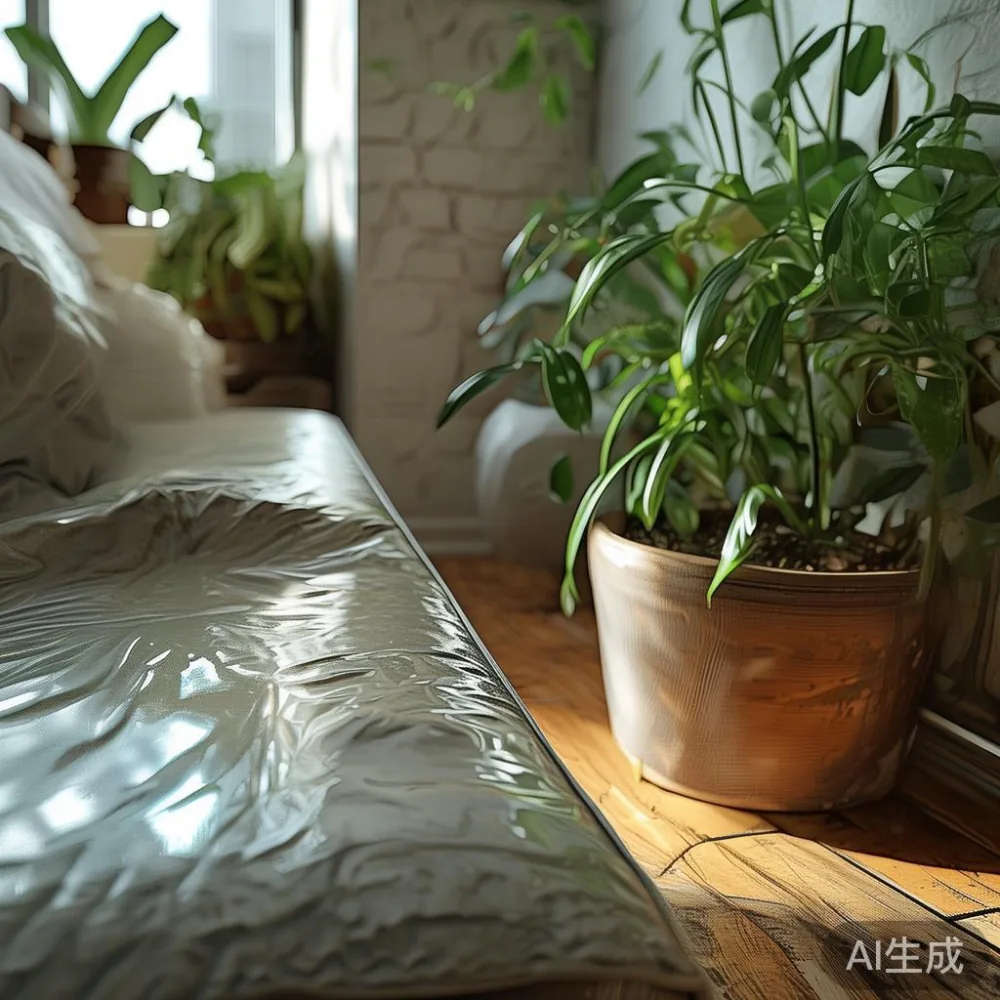
Is Post-modern dressing table furniture worth it?
Yes — if the post-modern light lacquer dressing table furniture you choose is built on a stable substrate, finished with at least seven coats of acid-catalysed or polyurethane lacquer, and acclimatised before delivery. Brands that ship solid wood sofa frames and matching wardrobes from workshops with kilned timber (moisture content between 8 and 12 percent) sidestep the swelling that ruins cheaper pieces. A post-modern dressing table furniture piece finished with a higher-build, UV-inhibited lacquer holds its depth of gloss far longer in our climate than a thin vinyl-wrapped alternative; the premium is roughly SGD 600 to SGD 1,200 over a comparable laminate unit, but the ten-year structural warranty and lifetime refinishing service that serious makers offer make the maths work over a decade.
What humidity level should I keep my living room at?
Target 50 to 60 percent relative humidity. In a HDB flat in Bedok or a condo in Punggol, you can achieve this with a 12-litre/day dehumidifier running four to six hours daily, costing roughly SGD 8 to SGD 14 per month on the household electricity bill. Place the unit at least 1.5 metres away from any lacquered care sofa or marble table so the airflow does not concentrate dust onto the surface. Keep the temperature between 22 and 26 degrees Celsius; every one-degree rise above 26 increases the moisture-equilibrium stress on wood by around 2 percent. A small digital hygrometer (SGD 12 to SGD 25 at any local hardware store) is the single best SGD you will spend on furniture care this year.
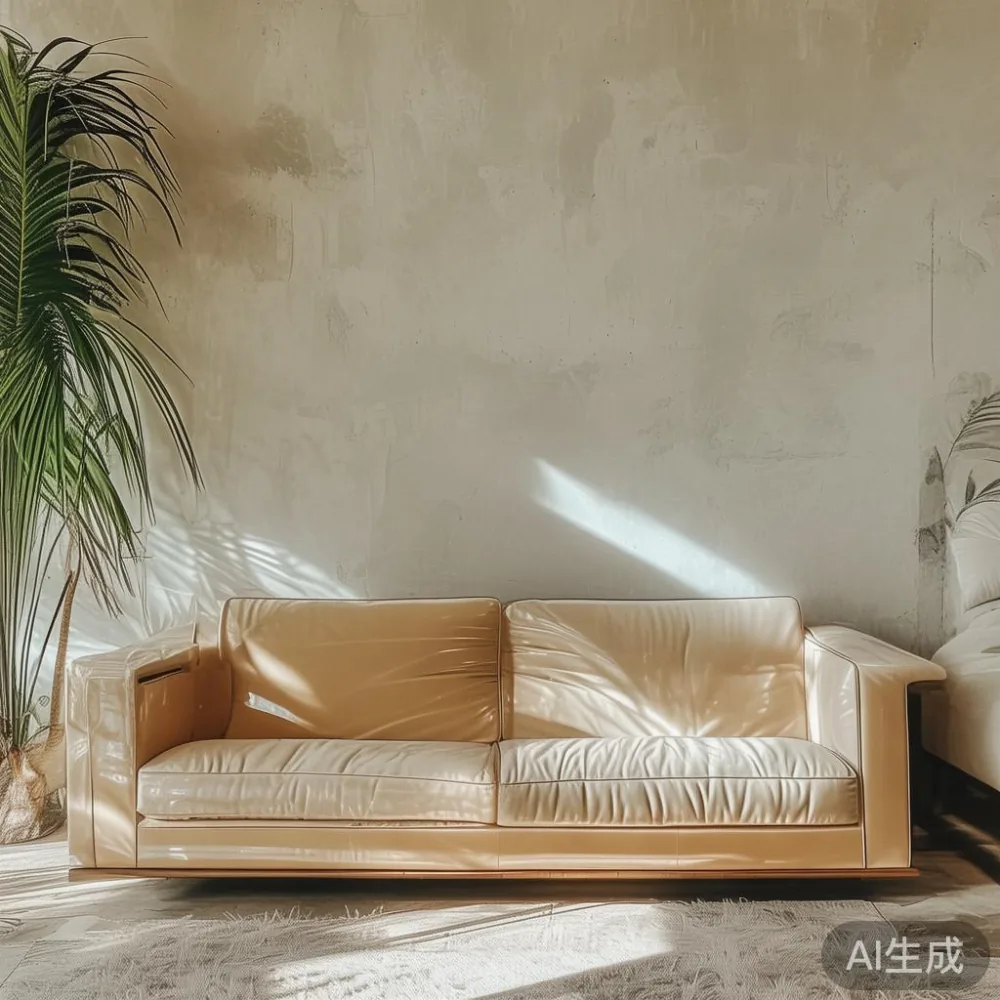
How do I clean lacquered wood without ruining the finish?
Use a microfibre cloth (around SGD 5 for a three-pack) lightly dampened with distilled water — never tap water, because Singapore tap water carries about 35 mg of dissolved minerals per litre, and those minerals leave a fine white film on dark lacquer over time. Wipe in straight lines along the grain, then immediately follow with a dry cloth to pick up the moisture. For sticky spots, add one drop of pH-neutral dish soap (pH 6 to 7.5) to 250 ml of distilled water. Avoid silicone polishes, oil polishes, ammonia, vinegar, and anything labelled "multi-surface" — these soften the lacquer film and cause the dull patches I saw on that Punggol headboard. For a glossy care sofa in a family with two young children, expect to wipe weekly and deep-clean monthly.
How far should lacquered furniture sit from a window in the tropics?
At least 1.2 metres, or behind a UV-filtering sheer curtain. Glass blocks visible light but lets through roughly 60 percent of UV-A, the band that yellows nitrocellulose lacquer and bleaches dark walnut within 18 to 36 months. On a west-facing balcony in a Punggol HDB, afternoon sun delivers about 800 W/m² at peak; that is enough to raise the surface temperature of a lacquered wardrobed door panel from 26 to 52 degrees Celsius in under twenty minutes — a thermal shock the film cannot survive without micro-checking. If floor space is tight in your 4-room BTO, rotate the piece 90 degrees every quarter so UV exposure is even across the panel.
Can scratches on a lacquered surface be repaired at home?
Light surface marks, yes. Anything deeper than 0.02 mm, no — those need a workshop. For shallow scuffs, rub the affected area with a folded microfinishing pad (2,000-grit equivalent, around SGD 9) lubricated with a drop of water, moving in straight lines along the grain for no more than fifteen seconds. Wipe clean, then apply a pea-sized amount of paste wax (SGD 25 to SGD 45 per tin, applied with a soft cotton cloth, buffed off after ten minutes). Deep gouges require re-lacquering by a spray finisher; a professional touch-up on a French light luxury dining table in Foshan runs about SGD 180 to SGD 400 per panel, plus transport. Most owners find it cheaper to use the lifetime refinishing service offered by makers like MIDHILL, which covers collection, transport, and return re-finishing for a subsidised fee or even free under certain warranty conditions, depending on the year of purchase.
What is the safest way to move a lacquered dining table through a HDB corridor?
Measure first. Standard HDB corridor widths sit between 1.2 and 1.65 metres, and lift cabins run roughly 1.1 m wide by 1.4 m deep with a 1.9 m ceiling. A six-seater solid wood dining table typically measures 1.8 to 2.4 m long, so it must go in vertically or with both leaves removed. Wrap the top in moving blankets (SGD 3 each), tape them at the corners, and stand the table on its long edge rather than its end — the lacquer is weakest at corners because the film thins during the spray pattern. Two movers plus one supervisor is the safe minimum for any piece over 60 kg. A 2.4 m table weighs 85 to 110 kg; budget SGD 220 to SGD 450 for local moving with disassembly and re-assembly included.
How do I prevent water rings on a lacquered nightstand?
Coasters, always. But better than ceramic coasters are wool-felt pads (SGD 4 for a sixteen-pack) that sit flat, absorb a few drops of condensation, and never scratch. A cold glass of iced tea at 4 degrees Celsius will form condensation beads in under three minutes in a 25-degree room; left directly on lacquer, those beads leave a white ring within twenty minutes. If a ring does appear, the quick remedy is to hold a microfibre cloth over the mark and press with a warm (not hot) iron for three seconds — the heat re-amalgamates the wax and lacquer layers. For a solid-wood nightstand with a French light luxury semi-gloss finish, this trick works on rings under 0.5 cm wide; anything larger will need professional buffing.
What is the maintenance schedule for a lacquered marble table combination piece?
Piece-by-piece. The lacquered wood apron needs the weekly wipe and quarterly wax routine described above; the marble table top needs a different schedule — a pH-neutral stone cleaner (SGD 18 to SGD 32) applied weekly, and a penetrating sealant reapplied every twelve to eighteen months. Never let the two surfaces share a polish; wax on stone causes a hazy film that resists removal. For a combined piece in a dining setting, expect to spend about forty minutes per month on care across the full surface. The return on that forty minutes is a piece that, fifteen years from now, still photographs the way the showroom sample did the day you bought it.
How long should a quality lacquered piece last in Singapore?
A well-built solid wood sofa frame with a care sofa-grade lacquer finish and proper care will last 18 to 25 years in Singapore before needing a full re-lacquer. The frame typically outlasts the finish by a wide margin because kiln-dried hardwoods such as ash, white oak, and North American walnut remain stable inside air-conditioned homes. The two pieces most likely to fail first are the marble table in a bathroom-adjacent setting and the dining table if used as a homework desk daily — both see wet pens, hot plates, and friction. Reserve the dining table for meals and invest in a separate workstation; your finish will thank you.
Does air-conditioning help or harm lacquered furniture?
Helped enormously, with one caveat. Air-conditioning drops relative humidity from 80 percent to around 55 percent within thirty minutes, which is exactly the band the lacquer film prefers. The caveat is direction: never aim the louver directly at a piece. The constant, focused airflow dries the surface unevenly and produces hairline cracks along the grain within twelve months. Instead, set the swing to wide and the louver to mid-height so air circulates around the piece rather than onto it. With the right setup, a MIDHILL bed frame in a Tampines five-room flat can sit in the same spot for two decades without a single crack in the headboard panel.
What should I do if my lacquer starts to look cloudy?
Stop using whatever polish you were using. Cloudiness is almost always silicone, wax build-up, or moisture trapped beneath the surface. Strip the build-up with a clean microfibre cloth and a 1:1 mixture of distilled water and isopropyl alcohol (SGD 4 per bottle), applied sparingly. If the cloudiness persists after three gentle passes, the moisture has entered the lacquer film itself and you need professional help. A workshop re-buff and re-polish in Foshan for a care sofa or wardrobed panel costs roughly SGD 60 to SGD 220 per square metre, plus shipping. Most local owners ship the affected panel by sea (seven to twelve days, around SGD 120 per panel from Jurong) and back, total turnaround about four to six weeks.
Are there any lacquered pieces I should avoid in this climate?
Yes. Avoid nitrocellulose lacquer in open-plan homes without AC. Avoid white or pale-grey high-gloss finishes near east-facing windows, because UV yellowing shows fastest on those colours. Avoid ultra-matte "finger-print free" finishes if you have small children — they look stunning in showrooms but show every handprint within an hour and resist the warm-iron fix described above. Instead, choose a mid-sheen (around 35 to 55 gloss units) acid-catalysed or polyurethane lacquer on kiln-dried solid-wood substrates. On a French light luxury dining table in a semi-gloss finish, even red-wine spills wipe off within ten minutes without leaving a trace.
Sourcing matters too. A maker that supervises moisture content at every stage from timber yard to crate, that operates a 10-year structural warranty on the solid wood sofa, bed frame, and wardrobed carcasses, and that offers lifetime refinishing on the lacquer itself, removes roughly 80 percent of the risk. MIDHILL's workshop in Foshan has shipped care sofas and dining tables to Singapore distributors for over a decade; pieces I have inspected in Tampines HDBs after eight to ten years of use still show the original sheen, simply because the timber was dried to a 9-percent moisture content and sealed with the right number of coats before it ever left the crate.
The short version: keep humidity between 50 and 60 percent, keep pieces 1.2 m or more from direct sun, use distilled water and a microfibre cloth for weekly wipes, wax quarterly, deep-care annually, and call a pro the moment cloudiness appears. Singapore's climate is harsh on lacquer, but a 30-minute monthly routine stretches the lifetime of a premium piece well beyond the warranty window. If you are buying new, ask the showroom for the technical data sheet, the exact lacquer system used, and the post-purchase refinishing terms. Those three documents tell you almost everything you need to know about whether a piece will look as good in year fifteen as it does in month one.