How to Choose the Right Care Sofa Size for a Singapore HDB Living Room
Last month I visited a 4-room HDB flat in Punggol with my colleague, and we spent nearly forty minutes just getting a three-seater sofa through the front door. The lift opening was only 80 cm wide, the corridor turned at a 90-degree corner, and the team on the third floor had to remove the leg assembly twice. That afternoon taught me something I now tell every customer in Tampines, Bedok, or Toa Payoh: the right care sofa is not the biggest one that fits your wall, it is the one that fits your lift, your corridor, and the way you actually use your living room after dinner.
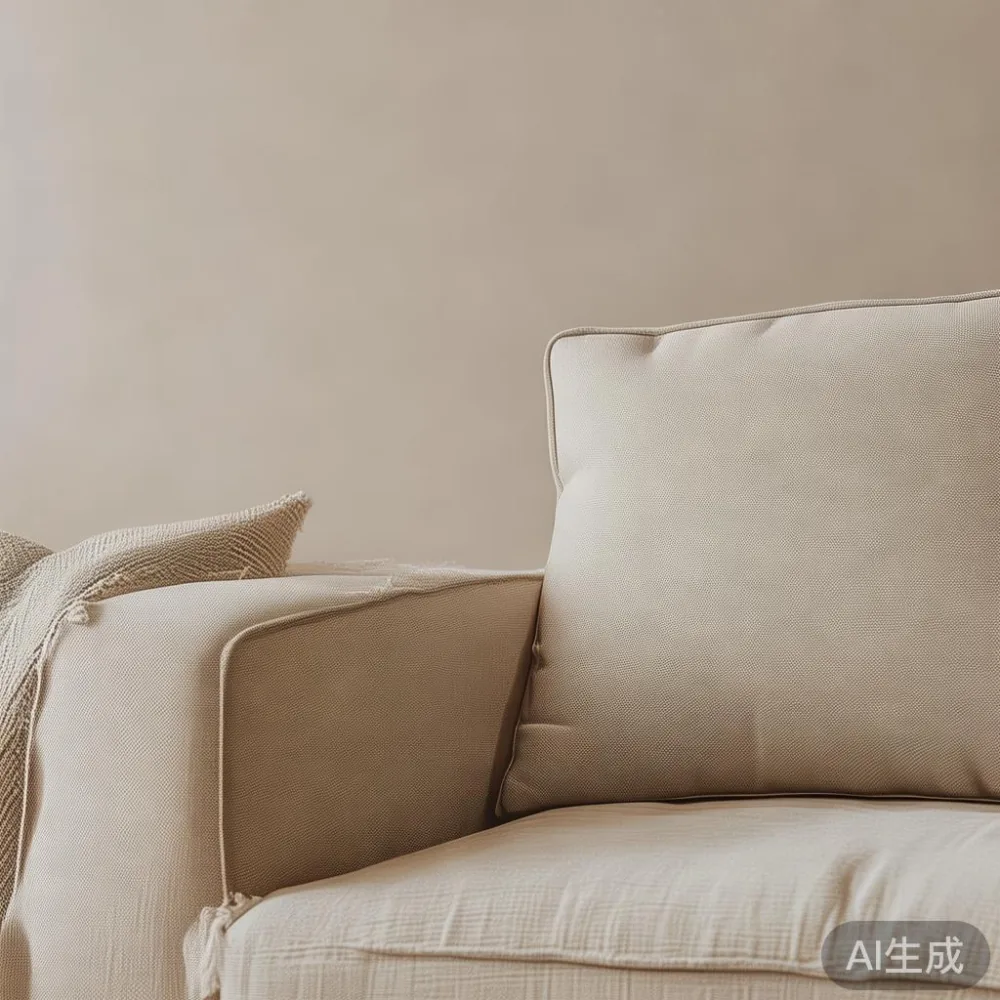
Buying a solid wood sofa for a Singapore HDB is a geometry problem before it is a design problem. The standard HDB lift in most blocks built after 2010 is 1.1 m wide by 1.4 m deep, but older blocks in Bedok and Ang Mo Kio still use 0.9 m wide cabins that swallow a 2.4 m sofa in one piece. Measure twice, then add 5 cm clearance on every side, then call your furniture maker. At MIDHILL we keep these figures taped to the design table, because an export brand shipping solid wood sofa, bed frame, dining table, wardrobe, and nightstand to 15-plus countries has seen almost every corridor problem Singapore can throw at it.
What measurements actually matter before you order a care sofa?
Three numbers decide everything: lift door width, corridor turn radius, and the diagonal from your HDB door to the wall where the care sofa will rest. A standard 3-seater care sofa is around 210 cm long, 95 cm deep, and 85 cm tall. A 2-seater sits near 165 cm long. A 4-seater with chaise can stretch past 240 cm, and that single extra 30 cm is the difference between a calm Saturday delivery and a staircase rescue at 9 pm.
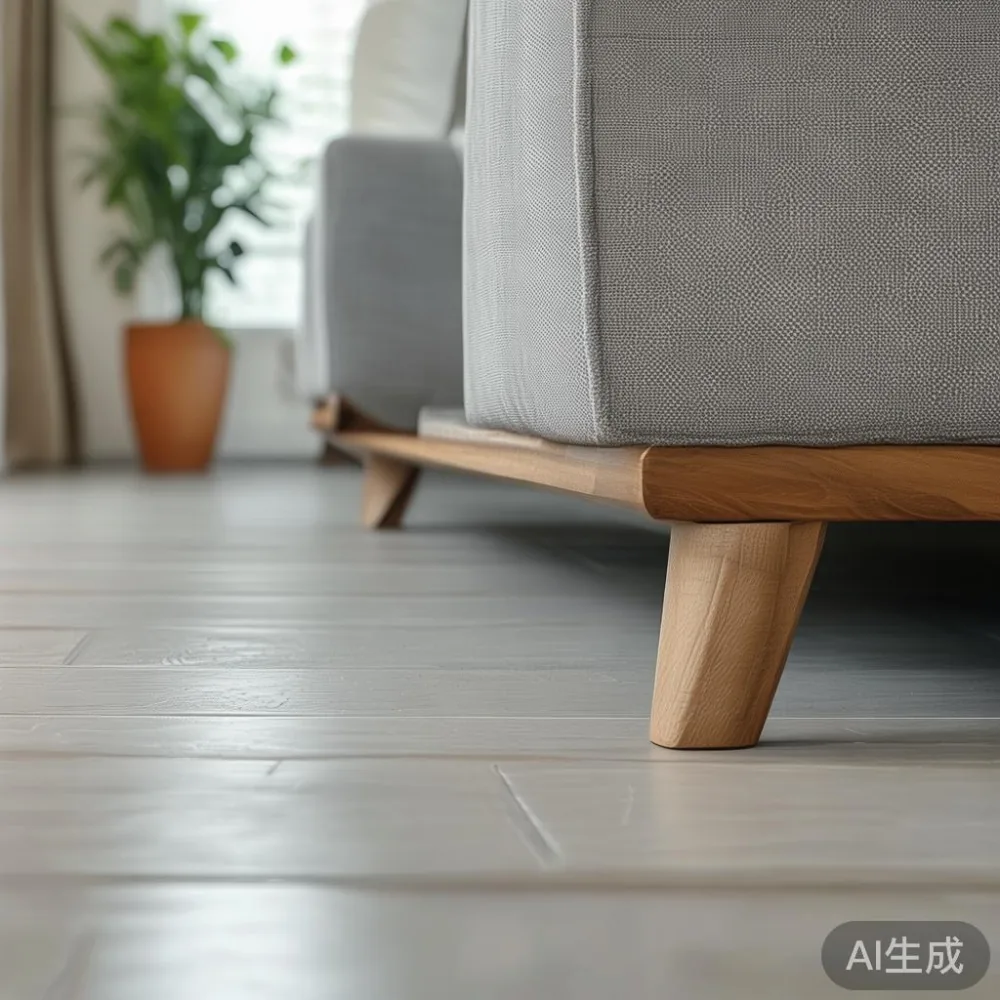
For a typical 4-room HDB living room in Tampines GreenRidgeline or Punggol H2O Residences, your usable wall length after the TV console is usually 320 to 380 cm. After subtracting 80 cm for a marble table or coffee table, 60 cm for walking flow, and 20 cm of breathing room on each side, you are looking at a comfortable 160 to 220 cm for seating. That is exactly the bracket where a 2-seater or compact 3-seater care sofa performs best, leaving space for a nightstand at the side or a slim shelving unit without crowding the air-conditioner console.
Weight is the second number nobody talks about. A solid wood care sofa with a kiln-dried ash frame weighs between 55 kg (2-seater) and 95 kg (3-seater). HDB lifts have a rated capacity of 545 kg for a 10-person cabin, so weight is rarely the issue. The issue is team strength in a 1.2 m wide corridor when the sofa must be tilted onto its side. Two delivery men can usually manage up to 70 kg in a straight corridor; beyond that, you want a four-person team, which MIDHILL includes on every Singapore order above S$350 with free shipping.
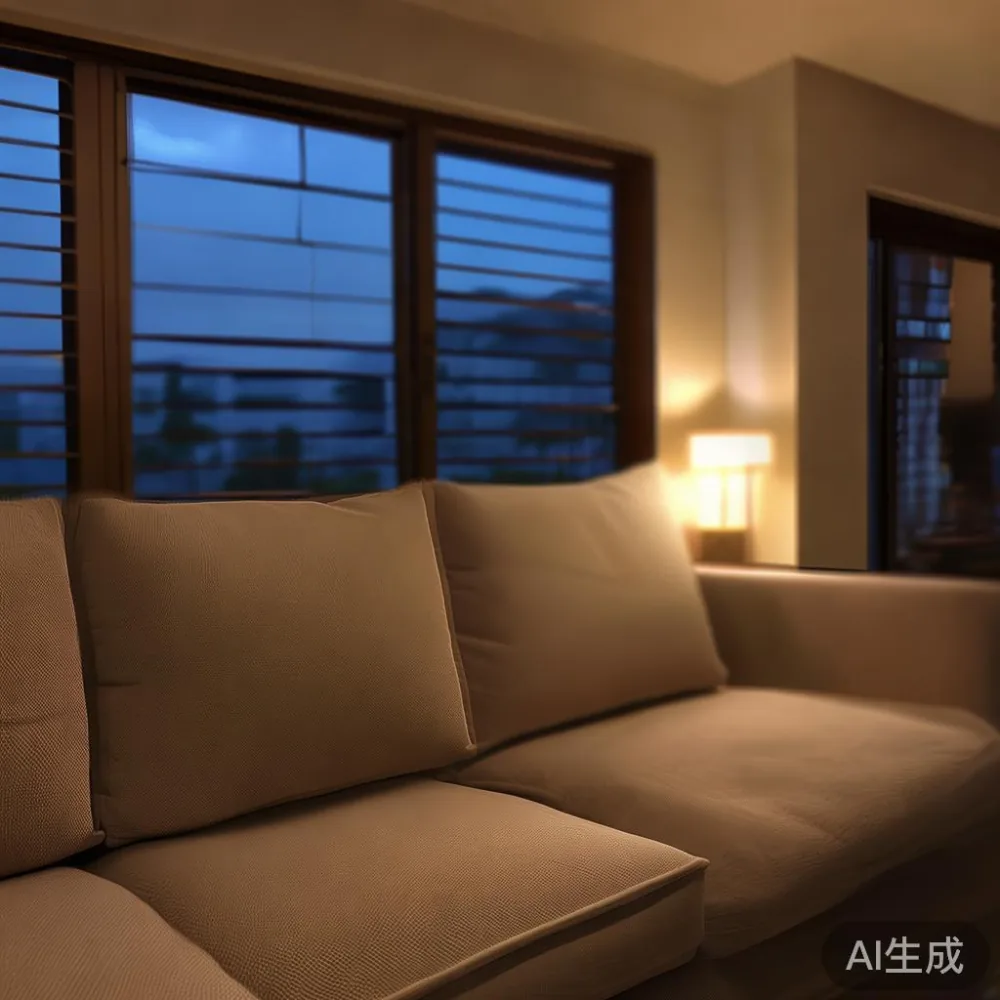
Which care sofa shape fits a compact HDB layout?
For most Singapore HDB living rooms under 30 sqm of usable space, an L-shape care sofa, a chaise-end care sofa, or a 2-seater with an armchair is the right call. An L-shape works when your TV wall is shorter than 2.4 m and you want to anchor a dining table on the perpendicular wall. A chaise-end care sofa works when the wall is 3 m or more and you like to lie down on weekday evenings. A 2-seater with a separate armchair gives you the most layout freedom, especially if you occasionally need to fold a portable camp bed chair frame for guests.
Here is a simple allocation rule I share during house visits in Punggol and Sengkang:
- Living room under 20 sqm: 2-seater care sofa (165 cm) + one accent chair
- Living room 20-28 sqm: 3-seater care sofa (200 cm) + slim marble table
- Living room 28-35 sqm: chaise-end care sofa (230 cm) + storage bed frame along the side wall
- Living room above 35 sqm (Executive HDB or small condo): L-shape care sofa (260-300 cm) + dining table for four
An American light luxury care sofa with rolled arms and a low back tends to read as visually heavy, so it suits a 25 sqm room with strong vertical lines from full-height wardrobes. A post-modern light luxury care sofa with thin tapered legs and a tighter silhouette works in a 20 sqm Punggol flat where you want the room to feel airier. French light luxury care sofas, with their curved silhouettes and soft linen-blend upholstery, also suit compact HDB rooms, provided you pick a leg height of at least 15 cm so a robot vacuum can pass underneath.
How do I style a French provincial loveseat in a small apartment?
A French provincial loveseat works beautifully in a small HDB apartment when you anchor it with one statement wall, keep the rest of the furniture in quieter tones, and let the loveseat's curved silhouette breathe against a clean backdrop. Pair it with a slim marble table no wider than 80 cm, a brass floor lamp with an exposed Edison bulb, and one framed botanical print no larger than 60 by 90 cm so the room does not feel cluttered.
In a typical 4-room HDB in Bedok or Toa Payoh, place the loveseat against the longest uninterrupted wall, leave at least 70 cm of walking space in front of it, and float a low marble table on a 200 by 280 cm wool rug so the seating zone feels like its own pocket. Add a slim walnut nightstand or side table on one end for a reading lamp, a small wardrobe or armoire opposite the TV console for hidden storage, and keep the dining table simple, such as a 120 cm solid oak round that seats four without crowding the corridor. Two or three cushions in muted sage or chalk-blue, a single ceramic vase, and a striped throw are enough; French provincial reads best when the room is restrained and the loveseat is the calm centre.
What about corridors, lifts, and the day-of delivery in Singapore?
This is the section that saves you a Saturday. Before you order any solid wood sofa or care sofa, walk the route yourself with a tape measure. Measure the lift door (most HDB lifts are 80 cm wide, but newer ones in Punggol are 90 cm). Measure the corridor width at the tightest turn, usually near the lift lobby. Measure the diagonal of every doorway from the lift to your flat door. A solid wood care sofa at 210 cm long will not fit through an 80 cm door without being tilted vertically, and that requires the back cushions to be removable.
Ask your furniture maker three things before you pay the deposit:
- Can the legs be unscrewed on site, and are spares included?
- Are the back and seat cushions removable for lift entry?
- Is the frame knock-down or one-piece, and what is the heaviest single section in kg?
MIDHILL designs every care sofa, dining table, bed frame, and wardrobe for knock-down assembly so a 95 kg three-seater arrives in three boxes under 35 kg per box, which is the sweet spot for two delivery men to carry up three flights without using the service lift. Free shipping kicks in above S$350, GST is calculated at checkout, and the 14-day return window means you can live with the care sofa for two weeks before committing. The 10-year structural warranty covers frame integrity, and lifetime refinishing means a scratch from a搬家mover (the local mover gets hand on everything, especially in tight HDB corridors) can be sanded and re-oiled at the Foshan workshop for the cost of shipping back to Singapore.
Is a nightstand hard to maintain next to a care sofa in daily use?
A nightstand is not hard to maintain next to a care sofa as long as you pick the right surface and wipe it down once a week. Solid wood nightstands with a matte lacquer finish, the same kiln-dried ash or walnut used in a care sofa frame, handle Singapore humidity well when you keep them away from direct afternoon sun and wipe spills within ten minutes. A marble nightstand needs a coaster under every cup because citric acid etches the polish; a veneered MDF nightstand can swell at the edges after two monsoon seasons. Go with solid wood, rotate the coasters weekly, and a nightstand will outlast the care sofa beside it.
For a HDB living room where the nightstand doubles as a sofa side table, choose one between 45 and 55 cm tall so the surface sits 5 to 10 cm below the care sofa armrest. That little height gap makes reaching for a glass of water at night easier and keeps the visual line clean. A 40 by 40 cm top is enough for a lamp, a phone, and a book. Anything larger starts to crowd a 20 sqm HDB room.
How do you balance a care sofa with a dining table and a bed frame in one HDB flat?
Treat the three zones as a single furniture family, not three separate purchases. A solid wood care sofa in ash or walnut pairs naturally with a solid wood dining table in the same timber, and that same timber continues into the bed frame and wardrobe so the whole flat reads as one calm composition. In a 4-room flat of roughly 90 sqm, you have room for a 200 cm care sofa, a 140 by 80 cm dining table for four, a queen bed frame, a two-door wardrobe, and two nightstands, all in matching solid wood, without the room feeling crowded.
Anchor the heaviest piece first. In most HDB layouts, that is the wardrobe along the bedroom wall or the dining table near the kitchen entrance. Place the care sofa second, then the bed frame, then the nightstands, then the marble table in front of the care sofa. Leave 80 to 90 cm of walking corridor between every major piece, keep the air-con console unobstructed, and resist the urge to push every piece against the wall. A care sofa that floats 10 cm off the wall actually makes a small HDB room feel larger, because the eye reads depth behind it.
For colour, two-tone schemes work best in compact Singapore HDB living. A light oak care sofa with a walnut dining table top, a pale grey bed frame, and white wardrobes keeps the room bright under flat LED lighting. Add a single darker accent, such as a charcoal marble table or a forest-green armchair, so the eye has somewhere to rest.
What budget should a Singapore household set for a solid wood care sofa in 2025?
For a genuine solid wood care sofa with a kiln-dried frame, removable covers, and a 10-year warranty, Singapore households in 2025 should budget between S$1,800 and S$4,200 before shipping. A 2-seater in ash starts around S$1,800 to S$2,400. A 3-seater with chaise lands near S$2,800 to S$3,500. A modular L-shape in walnut reaches S$3,800 to S$4,200. Anything advertised well below S$1,500 is almost certainly plywood wrapped in veneer, and that is where the warranty tends to evaporate.
Add S$80 to S$150 for lift-up delivery to a non-lobby floor, free above S$350 in cart value. GST adds 9 percent at checkout. A 14-day return window protects you if the care sofa does not suit the room, and lifetime refinishing through the Foshan workshop means a S$200 to S$400 re-oil every seven to ten years keeps the frame looking new. Over a 15-year ownership, the annual cost lands near S$200, which is far lower than replacing a S$900 flat-pack sofa every four years.
The cheapest care sofa on a classifieds portal is rarely the cheapest over a decade. Solid wood, a real warranty, and a maker who has exported to 15-plus countries since 2008 will always beat a S$600 knockdown box when the humidifier runs every night and the kids climb the armrest. Pay once, live with it for fifteen years, refinish it twice, and the care sofa becomes the quiet anchor of the HDB living room rather than the next thing to replace.