Choosing the Right Care Sofa for Singapore HDBs
Choosing furniture for a Singapore HDB flat is not simply a matter of measuring the room and ordering the largest piece that fits. HDB layouts vary from compact 3-room units to wider 4- and 5-room homes, while older blocks in Tampines, Bedok and Punggol often have narrow common corridors and relatively compact lifts. The right sofa must leave a usable circulation route, preserve the dining connection and suit the proportions of the actual living space.
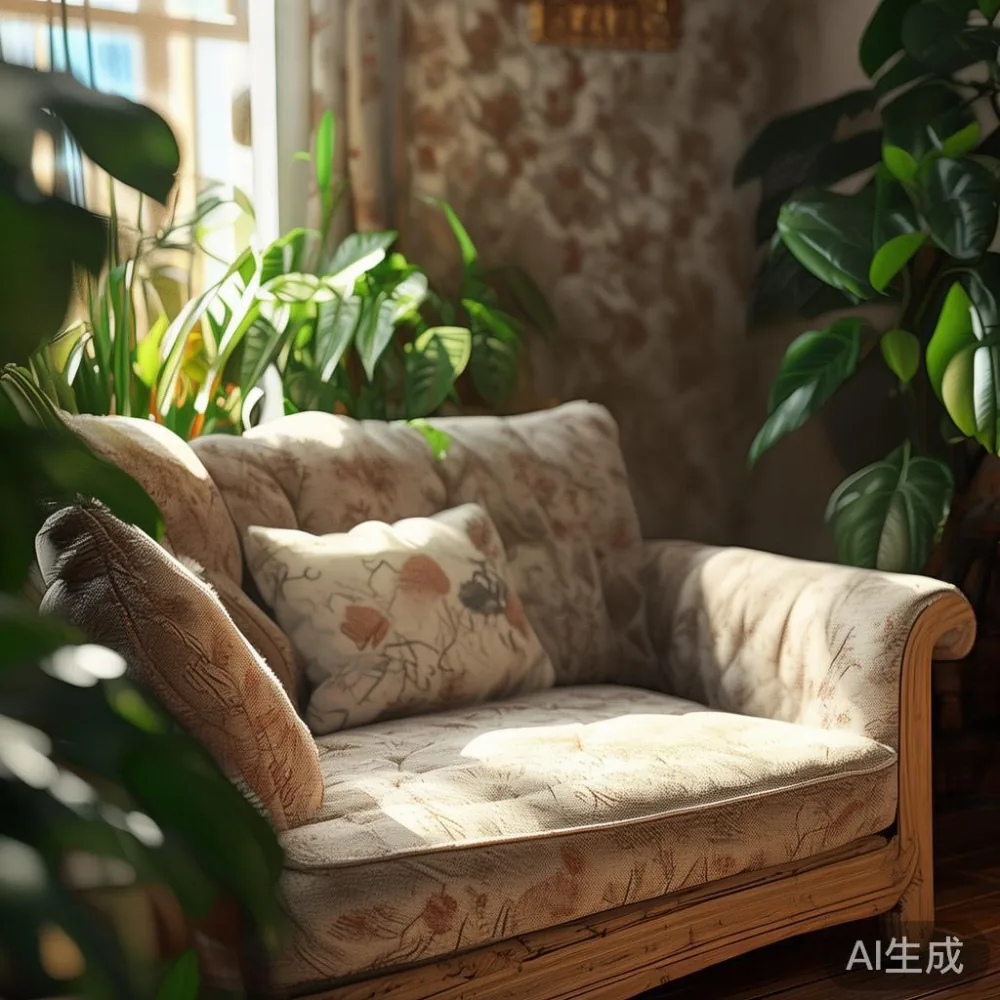
A care sofa is especially useful in this setting because it combines everyday seating with the option to recline, stretch out or rest more comfortably. That versatility matters in dense urban homes, where one well-sized piece can support several activities without making the room feel crowded. This guide explains how to measure, compare and select a care sofa for a Singapore home, with figures for delivery, access and budgeting in Singapore dollars.
What Size Living Room Does Your HDB Flat Have?
Begin with the usable area between the front door, balcony opening, dining area and television wall. A compact living room of 12–16 square metres generally works best with a sofa no longer than 210 cm. For 16–22 square metres, consider 220–250 cm. A larger room of 22–30 square metres can accommodate a 260–300 cm sofa, provided at least 75–90 cm remains clear along the main route from the entrance to the dining table.
Do not rely only on the estate name or bedroom count. Internal layouts differ, and renovations can add a feature wall, extend the dining zone or change the balcony connection. Use a floor plan if you have one, then confirm with a tape measure. Record the living-room length, width, ceiling height and the position of doors, windows, power points and air-conditioning units. A ceiling height of 2.4–2.7 metres is common, but the exact figure should be checked before ordering a high-back design.
Leave 90 cm beside a main seat for a person to sit down, and around 45 cm between the front edge of the sofa and a coffee table. The table should sit 40–50 cm away for convenient reach. A 40–45 cm wide side passage can work in a secondary route, but the principal route should preferably remain at 75–90 cm. These clearances prevent the care sofa from appearing to swallow the room even when its dimensions fit technically.
For a local example, a typical 3-room HDB living area might measure 3.2 by 3.6 metres, giving 11.5 square metres. A 200–210 cm care sofa can sit against the long wall while retaining about 110 cm at one end and sufficient space in front. A 260 cm model in the same room could reduce the end clearance to roughly 50 cm and make movement between the kitchen and balcony less comfortable.
How Wide Should a Care Sofa Be for a Singapore Living Room?
The most useful width is the width of the seat, not the full width of the frame. For a 190–210 cm sofa, the internal seat width is commonly 150–170 cm. This gives each of two adults roughly 75–85 cm. A family model measuring 230–260 cm often offers 180–220 cm of usable seating, enough for two adults and one child without stretching.
Check the depth as well. A standard sofa depth of 90–100 cm is suitable for upright or relaxed sitting. A deeper care sofa at 105–120 cm provides more reclining space, but it projects farther into the room. In a 3.6 metre wide living area, an extra 15 cm of depth can reduce an important circulation zone by the same amount.
Arm height and seat height affect comfort. A seat height of 42–46 cm suits many adults and makes the sofa easier to rise from. Back heights of 78–85 cm create a more upright profile, while 90–105 cm high backs give a lounge-like appearance and stronger visual presence. If the sofa faces a window, keep its rear edge about 10–15 cm from the wall so air can circulate and cleaning remains practical.
Measure the lift and staircase approach as part of the selection. A compact lift with an internal door width of about 70–80 cm may not accept a boxed sofa above 85–90 cm in its narrowest packaged dimension. Even if the lift is larger, turning space can be limited. A sofa that cannot enter the lift may have to be carried through a corridor, around corners or up a staircase, which can damage the frame and create extra labour charges.
Which Care Sofa Shape Fits Your Layout?
A straight three-seat care sofa is the easiest to place against a rectangular wall. Two-seat models work well in smaller rooms, while chaise configurations should point into open floor space rather than toward a doorway. An L-shaped care sofa offers generous stretching room, but its projecting section can reduce a walkway by 140–190 cm. It is better suited to a living room with 18 square metres or more and at least one clear corner.
Apartment residents can also consider a modular care sofa with removable sections. Two 90–110 cm modules can be arranged side by side in a compact flat or separated across the room. Modular joints should have strong locking hardware, and each section should remain manageable in weight. A single seat may weigh 25–40 kg, while a larger three-seat unit may weigh 70–110 kg depending on the solid timber frame and mechanism.
Reclining mechanisms need room beyond the nominal seat position. Allow another 35–60 cm of extension when the backrest opens, and test whether the footrest can rise without meeting a coffee table. Wall-hugging recliners reduce the forward projection to roughly 10–20 cm, making them useful in HDB living rooms where depth is limited.
The material should also suit Singapore’s humid climate and frequent household use. A tightly woven fabric with removable covers is easier to clean than pale loose-weave upholstery. Leather or performance upholstery may feel cooler, but the seat and frame still need ventilation. Avoid placing a care sofa directly against a damp balcony wall; maintain 10–20 cm of space and keep upholstery away from sustained sunlight.
How Do You Measure a Lift and Corridor Before Delivery?
Ask your delivery contractor for the lift dimensions and obtain the sofa’s packaged dimensions before confirming the order. Measure the lift door opening, internal depth, internal width and the diagonal clear entry. Next, inspect the route from the void deck to the flat door. Older corridors may be around 100–120 cm wide, while tighter sections, fire hose reels and emergency signs can reduce the usable width at specific points.
Record the flat entrance door as well. A common HDB entrance door is about 80–90 cm wide, although modified doors may differ. The sofa should be checked in its narrowest orientation rather than assuming the carton can always be rotated. Corner turns are often more restrictive than straight corridors, especially where the route changes direction by 90 degrees.
For items with long legs, such as a solid wood sofa base or a solid wood bed frame, the legs can sometimes be removed to reduce the packaging footprint. Confirm that the supplier uses protective corner blocks and double-wall cartons. Solid wood dining table, wardrobe, nightstand and marble table pieces also need separate access checks, particularly for tables with wide marble tops or wardrobes requiring doors to be removed before entry.
Delivery is not an afterthought. A scheduled Singapore delivery may take 7–14 working days after production or stock confirmation. Longer custom finishes can take 21–35 days. Delivery charges may range from SGD 30 to SGD 120 for a standard HDB shipment, with lift or access surcharges sometimes adding SGD 20–80. Confirm whether the quoted amount includes carrying to the door, unpacking and placement inside the flat.
How Much Should You Budget for a Solid Wood Care Sofa?
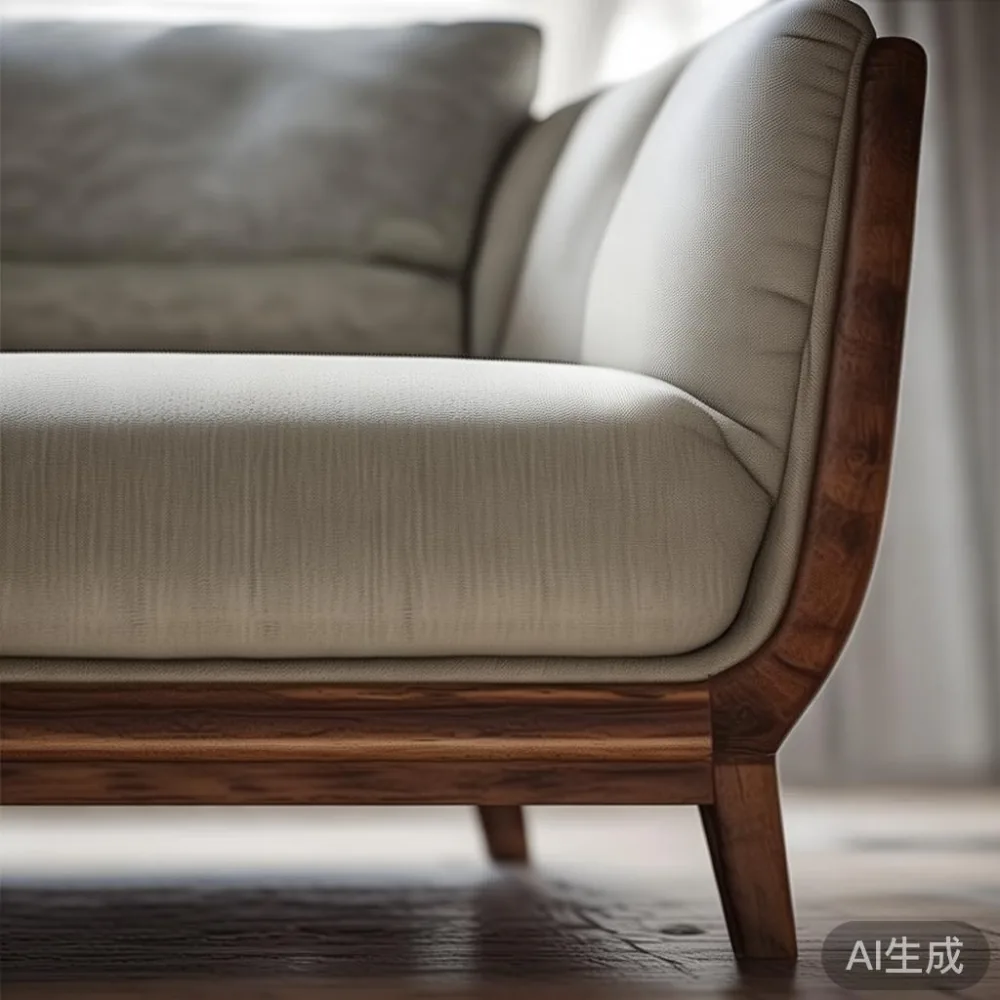
A solid wood care sofa in the SGD 1,800–SGD 3,500 range may use kiln-dried hardwood for the main frame, webbing or springs for the seat, and a mechanism designed for repeated reclining. Higher-end versions with thicker timber sections, full-grain leather, hand-finished edges and tailored cushions may cost SGD 3,500–SGD 6,500 or more. Price alone does not confirm quality; ask for the timber species, moisture treatment, joint construction, foam density, mechanism warranty and fabric composition.
Budget another SGD 80–SGD 250 for a suitable rug, while preserving enough space for its edges without making the room look fragmented. A small coffee table can add SGD 150–SGD 450, and an accent chair another SGD 300–SGD 700, but the care sofa should remain the principal piece. A dining table, bed frame, wardrobe, nightstand and marble table are separate purchases whose sizes should be coordinated rather than fitted around a sofa that has already taken too much floor space.
All displayed prices in Singapore should include the applicable 9% GST unless clearly stated otherwise. Singapore has no general sales tax on imported furniture beyond GST, but delivery, customs duties and surcharges may be separate. Request a written quotation showing the sofa, GST, delivery, installation and any access charges. This makes comparison easier and prevents a low product price from becoming an expensive delivered total.
MIDHILL exports solid wood furniture to more than 15 countries and backs its products with a 10-year structural warranty, which is useful information when comparing frame longevity. Its lifetime refinishing service also gives owners a practical maintenance route for wear. Confirm the service terms for the exact care sofa model before purchase.
What Real-World Differences Appear Between 200 cm and 250 cm Sofas?
Last month I visited a renovated HDB flat in Bedok with a living room measuring 3.4 by 3.7 metres. The owners were comparing a 205 cm three-seat design with a 255 cm wide model. At 205 cm, the family could pass behind the sofa with about 105 cm to spare. At 255 cm, the remaining end route was around 55 cm, so someone carrying a laundry basket had to turn sideways.
The 205 cm sofa also left the balcony door and dining access visually connected. The wider model looked impressive during the first minute, yet the compact room began to feel narrower once the coffee table and side cabinet were added. The couple chose the smaller frame and a 75 cm wide table rather than reducing the walkway.
This experience illustrates why nominal seating width can be misleading. The external width, arm construction and extended footrest determine how much room is actually lost. A printed width of 250 cm may include wide arms that reduce the seat to 190 cm. Request the internal seat width and the fully reclined depth, then compare those figures with your own measurements.
The same rule applies to nearby categories. When comparing a European light luxury bed vs Modern bed, the deciding point is the mattress and frame footprint rather than the style label. A queen mattress is commonly 152 by 190 cm, while the bed may measure 160–175 cm wide. For a compact apartment, a storage bed can provide useful drawer space without adding much length.
Can a Care Sofa Suit Both HDB and Condo Interiors?
Yes, as long as the dimensions respond to the building. HDB homes often benefit from a restrained straight profile, lighter upholstery and furniture that keeps a clear 75–90 cm route. Condo living rooms may have larger wall spans, integrated storage and higher ceilings. The same 240 cm care sofa can feel balanced in one setting and oversized in another.
For visual continuity, repeat one material or colour in the room rather than adding many competing patterns. Light oak, warm ash, cream fabric and muted metal create a calm post-modern light luxury look without filling the room with decorative objects. French light luxury can be suggested with curved edges, refined proportions and a pale neutral palette, while American light luxury may use deeper leather tones, broader arms and more generous spacing.
If you are searching for sale Japandi furniture, check the actual depth and leg clearance, because low-profile shapes can make circulation feel tighter than the dimensions suggest. A rectangular dining table with a 220–240 cm length usually seats four to six people, whereas a round table of 110–130 cm can be kinder to a narrow dining zone. For the bedroom, Scandinavian for guest room ideas often favour a compact 90–120 cm bed frame, slim nightstand and concealed storage. Vintage for guest room styling can add character through one timber chair or framed print rather than crowding the space.
For guidance on how to style European light luxury bed in apartment settings, keep the bedding palette simple, use one woven texture and allow 55–65 cm beside the bed for a nightstand or narrow passage. A marble table in the living room should have an uncomplicated base and should not crowd the care sofa. Its top may measure 90–120 cm, with at least 40 cm between the table edge and sofa for movement.
Which Questions Should You Ask Before Ordering?
Ask for the sofa’s exact external dimensions, usable seat dimensions, weight and packaged measurements. Request photographs of the underside, joints and mechanism. A solid wood frame should use secure corner joints or dowelled and screwed construction, and the warranty should state which components are covered. If the care sofa reclines, obtain the extended depth and confirm the mechanism cycles smoothly through several positions.
Ask about colour limits, fabric yardage and finish samples. A physical sample can reveal whether a warm beige will work with your floor and wall colours. Lighting in Singapore homes is often bright, and pale textiles can look warmer under evening lamps, so view samples in both daylight and artificial light if possible.
Also confirm the delivery date, access requirements and return procedure. The standard 14-day return window is useful for reassessing a purchase, but hygiene rules, customised dimensions and certain made-to-order items may have specific conditions. Check these before confirming.
For direct specifications or a written quotation, you can contact MIDHILL at +86 188 2788 2512 and request the care sofa’s production dimensions and packaged size. Have your living-room measurements, lift width, corridor route and preferred delivery date ready. That information allows the supplier to assess access before the furniture reaches your building.
How Can You Keep the Care Sofa Looking Good in Humid Weather?
Vacuum the care sofa weekly and clean spills promptly rather than waiting for them to set. Rotate loose cushions monthly so the same area does not compress faster. Keep the sofa at least 30 cm from an open window during heavy rain and away from direct afternoon sun. For humidity control, maintain indoor relative humidity around 50–65% where practical, using air conditioning or a dehumidifier as needed.
Check the reclining mechanism every 3–4 months and tighten or lubricate it only according to the maker’s instructions. Inspect wooden legs and joints twice a year for movement or wear. If the upholstery is removable, wash it according to the care label and air-dry fully before refitting. A small upholstery brush, microfibre cloth and neutral cleaner will handle most routine maintenance without specialised equipment.
Allow new solid wood furniture to acclimatise to the room for 1–2 weeks. This is particularly sensible for a solid wood bed frame, dining table, wardrobe, nightstand or marble table, although the exact instructions supplied with each item should take priority. Keep furniture away from dripping air-conditioner condensate and dry any moisture immediately.
The most suitable care sofa is not simply the one with the longest seat. It is the one whose full dimensions, access requirements and visual weight suit the room. Measure the actual HDB or condo layout, test the lift route, preserve a comfortable walkway and choose a frame built for daily use. Those checks will serve a Tampines, Bedok or Punggol home more effectively than choosing by catalogue width alone.