The Anatomy of a Price Tag: What Actually Drives the Cost of Solid Wood Furniture
When shopping for furniture in Singapore, especially for a new home in an HDB flat in Tampines or a condo in Punggol, you quickly notice a wide price range. A simple sofa might cost SGD 800, while a solid wood care sofa can easily reach SGD 5,000 or more. The difference seems vast, and the reasons aren't always clear. Many people assume it's just about brand names or fancy designs, but the reality is far more detailed and grounded in tangible factors. Understanding these factors can upgrade your buying experience from a confusing guessing game into an informed investment in your home's comfort and longevity.
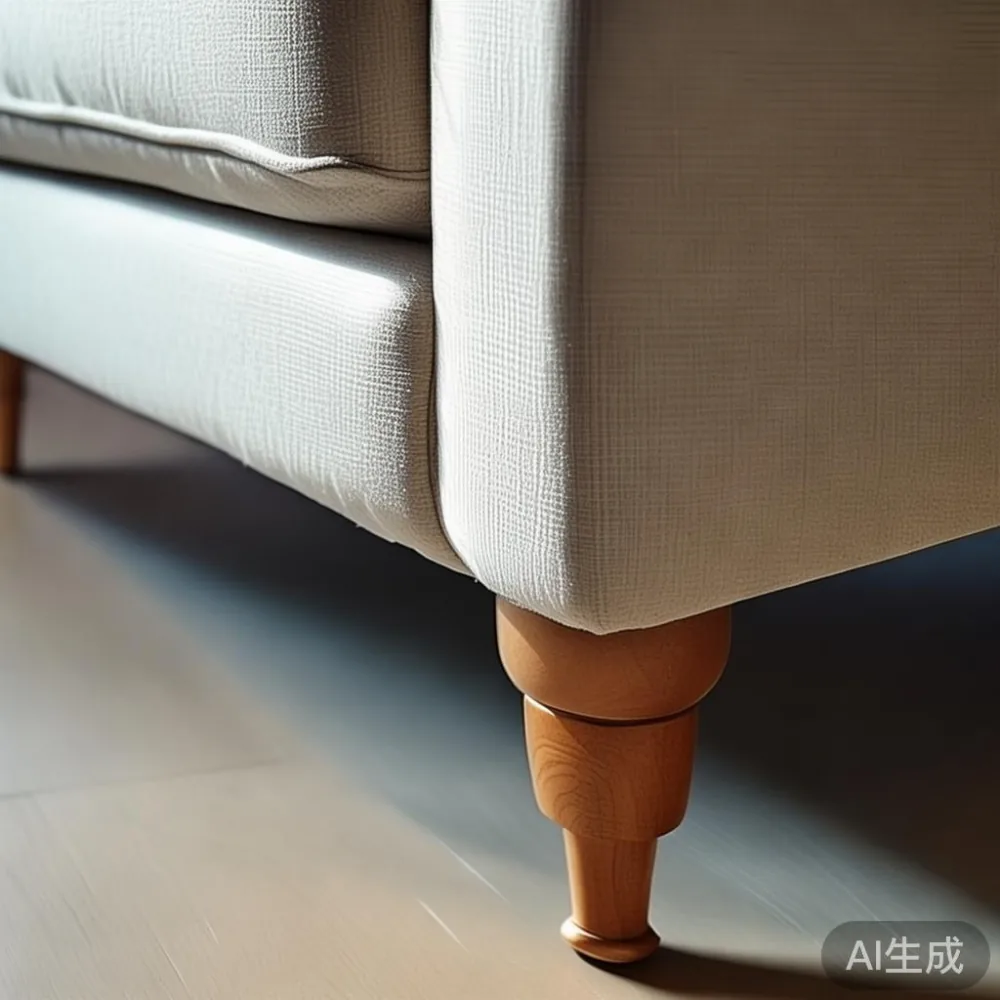
What Exactly Is a 'Care Sofa' and Why Does It Matter?
A 'care sofa' is more than just a piece of seating; it's a commitment to long-term comfort and durability. The term implies that the sofa is built with materials and construction methods designed to withstand daily use over many years. This means using solid wood frames instead of particleboard, high-density foam that resists sagging, and premium upholstery fabrics that are both beautiful and easy to maintain. For a family in a Bedok HDB, where a sofa might see heavy use for movie nights or hosting guests, investing in a care sofa means you won't be replacing it in three or four years. It's about choosing furniture that ages gracefully, developing a rich patina rather than a worn-out look. This focus on care is a core principle for makers like MIDHILL, who have been crafting such pieces since 2008.
The Wood Itself: Not All 'Solid Wood' is Created Equal
The most significant factor in the price of a solid wood care sofa is, naturally, the wood. The term 'solid wood' is broad, and the type of wood used dramatically impacts the cost, weight, and lifespan of the furniture. In Singapore's humid climate, the choice of wood is critical for preventing warping and cracking.

Let's compare two common options. A sofa frame made from Rubberwood, a durable and sustainable hardwood, might be priced around SGD 2,500 for a standard 3-seater. The same sofa made from American White Oak, a denser and more premium wood known for its prominent grain and strength, could cost SGD 4,000 or more. The difference comes down to density and sourcing. White Oak is heavier—a 3-seater frame might weigh 45 kg compared to Rubberwood's 30 kg—and its supply chain is often more complex. This is why you might see a care sofa from a collection like 'American Light Luxury' command a higher price; the materials are selected for their superior quality and aesthetic appeal. The weight also affects delivery. A heavier sofa requires more manpower, which is a real consideration in older HDB blocks with narrow corridors or smaller lifts, especially in areas like Tampines where some lift dimensions are a tight 110cm x 110cm.
Why a Care Sofa Costs More: The Unseen Labour and Craftsmanship
What you don't see is often what you pay for. The price of a care sofa reflects countless hours of skilled labour. A machine can cut wood, but it takes a skilled artisan to hand-finish every joint. Traditional joinery techniques like mortise and tenon or dovetail joints create a stronger, more stable frame than simple screws or staples. These methods are time-consuming and require a high level of craftsmanship.

Last month, I visited a workshop that supplies several Singaporean furniture brands. I watched as a craftsman fitted the backrest of a care sofa frame. He wasn't just nailing a panel to a frame; he was hand-carving a recess to create a perfect, snug fit for a solid wood slat that would support the cushions for decades. This single step took him 20 minutes. A machine could do it in 30 seconds, but the result would be less precise and more prone to creaking or failure over time. This attention to detail is a hallmark of a quality care sofa and a primary reason for its higher price point. It's the difference between furniture that is merely assembled and furniture that is truly built.
How Singapore's Unique Context Influences Furniture Pricing
Living in Singapore adds several layers to the cost of furniture, beyond just the materials and labour. The physical constraints of our homes and the local tax structure play a significant role.
First, consider logistics. Delivering a care sofa to a Punggol condo is not the same as delivering to a suburban house. In Singapore, many apartments have service lifts that are smaller than the main passenger lifts. A standard care sofa might be 220cm long, but if the service lift is only 150cm wide, it cannot be moved up as a single piece. This means the sofa must be disassembled at the workshop and reassembled in your home. This assembly service adds labour costs, typically SGD 100 to SGD 250, depending on the complexity. Also, working through a sofa through a narrow HDB corridor in Bedok requires experienced delivery personnel who know how to angle the furniture correctly to avoid scratches on walls or the piece itself. This specialised handling is factored into the final price.
Second, there's the Goods and Services Tax (GST). At 9%, GST is a non-negotiable addition to the base price of any furniture. A care sofa with a pre-tax price of SGD 4,550 will have a final price of SGD 4,960. This tax applies to all furniture, regardless of origin, making it a universal cost factor for Singaporean consumers. It's important to ask if the price you're quoted is inclusive or exclusive of GST to avoid surprises.
Why Are Some Care Sofas So Expensive? The Design and Material Equation
The aesthetic and functional design of a care sofa is another key driver of its price. A simple, minimalist design with straightforward lines will be less expensive than one with intricate carvings, multiple cushion types, or integrated features.
For instance, a care sofa from a 'French Light Luxury' collection might feature elegant, curved armrests and button-tufted upholstery on the back. The process of creating curved wooden components requires steam bending or more complex joinery, which increases production time and cost. The upholstery itself is a major expense. A durable, stain-resistant performance fabric might cost SGD 80 per metre, while a premium, imported Italian leather could cost SGD 400 per metre. A single care sofa can use 15 to 20 metres of fabric, so the material choice alone can add thousands to the price. This is why you see a wide range for sale: European light luxury furniture often uses these premium materials to justify its higher price, while more understained styles focus on the beauty of the wood itself.
Is a More Expensive Care Sofa Always Better? A Guide to Smart Investment
With prices varying so much, a common question is: Is a more expensive care sofa always a better choice, or am I just paying for a brand name? The answer is nuanced. A higher price does not automatically mean better quality, but it often correlates with better materials, construction, and design. The key is to understand what you're paying for and what you actually need for your space.
Start by setting a realistic budget. For a good quality care sofa, you should expect to spend at least SGD 2,000. Anything significantly under that likely compromises on frame material or cushion quality. When you're in a showroom, don't just look; test the furniture. Sit on it, bounce on it, and check the frame. Lift one corner of the sofa—if it feels excessively light or flimsy, the frame is likely not solid wood. Ask about the warranty. A reputable brand will offer a structural warranty, like MIDHILL's 10-year warranty, which is a strong indicator of confidence in their product. A lifetime refinishing service is also a valuable perk, as it means you can restore the sofa's finish decades down the line, protecting your investment.
Understanding Long-Term Value: Warranty and Service
The initial price tag is only part of the story. The true cost of a care sofa is its total cost of ownership over its lifetime. This is where warranties and after-sales services become critical. A cheap sofa that needs to be replaced in five years ends up costing more in the long run than a more expensive one that lasts 20 years.
A 10-year structural warranty on a care sofa is a significant commitment from the manufacturer. It covers the frame, springs, and other fundamental components, protecting you from defects that would render the sofa unusable. This peace of mind is a valuable part of the product's value. Similarly, a lifetime refinishing service means that if the wood finish gets scratched or worn over time, you can have it professionally refinished instead of replacing the entire piece. This service alone can save you thousands of dollars and keeps your care sofa looking like new for generations. These services are often included with premium brands and reflect their focus on creating lasting pieces rather than disposable furniture.
Final Thoughts: Making an Informed Choice for Your Home
Choosing a care sofa is about making a decision that balances your aesthetic preferences with practical considerations for your Singaporean home. The price is determined by a combination of factors: the type and quality of the solid wood, the complexity of the craftsmanship, the design and upholstery materials, and the logistics of delivery and assembly. Understanding these elements allows you to see beyond the sticker price and evaluate what you are truly getting for your money.
Whether you are furnishing a compact HDB flat or a spacious condo, a well-made care sofa is a cornerstone of your living space. It’s a place where you relax, entertain, and create memories. By investing in quality, you are not just buying furniture; you are investing in comfort, durability, and the long-term beauty of your home. For those looking for options under 2000 American furniture or exploring how to style a Japandi bed in bedroom, the principles of quality materials and construction remain the same. Ultimately, a care sofa is an investment in your daily life, and knowing what drives its price ensures you make a choice you will be happy with for years to come.