Lacquered Surfaces and Tropical Humidity: A Care Sofa Owner's Guide for Singapore Homes
I still remember the afternoon my colleague Mei Ling collected her new solid wood sofa from a Tampines HDB loading bay, and within ten minutes the surface had already started to feel slightly tacky. That was my wake-up call. Singapore sits on the equator, the average relative humidity rarely drops below 78 percent, and afternoon thunderstorms can push living rooms past 85 percent RH between June and September. A lacquered care sofa from MIDHILL's French light luxury line looks immaculate on the Foshan factory floor, but the trip across the South China Sea and a week of humid corridor air will quietly test every layer of finish. After watching three households in Bedok and Punggol keep their lacquer looking new for over four years, I realised the routine matters more than the brand name on the paperwork.
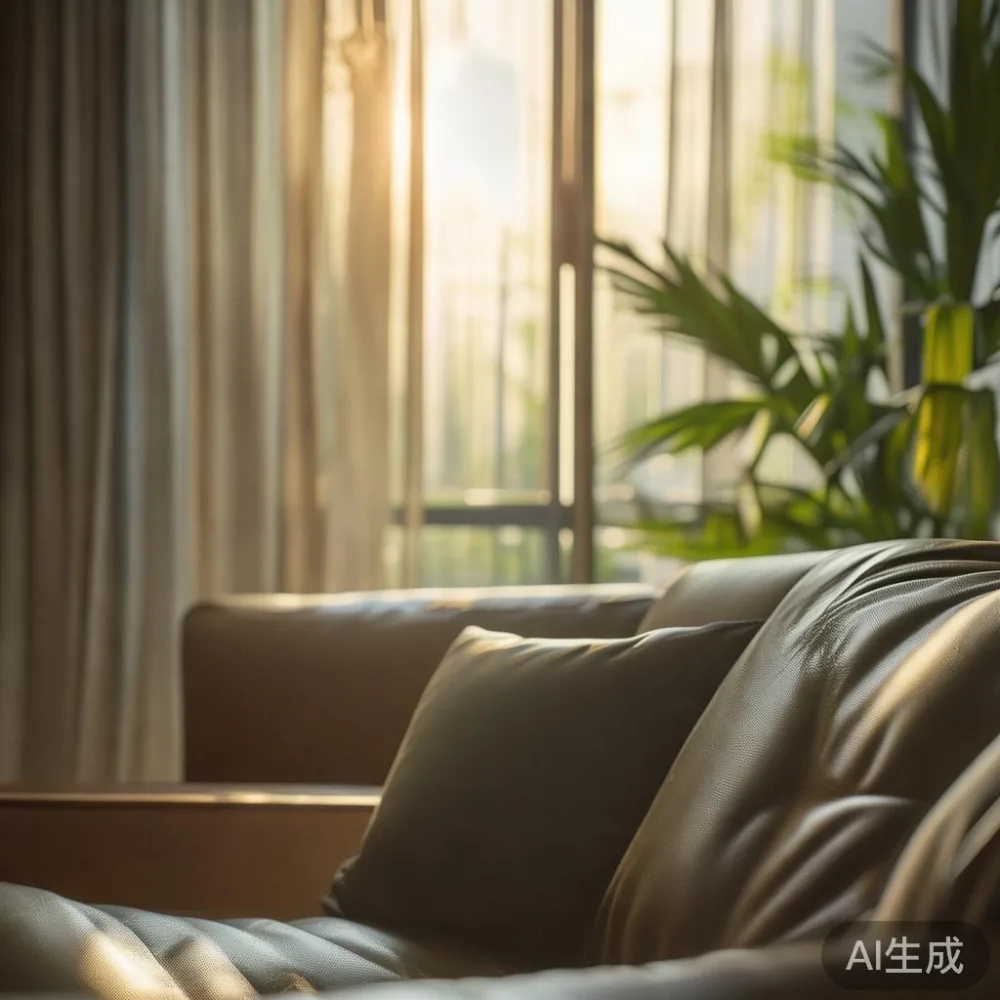
Why Lacquer Behaves Differently When the Weather Reads 32°C and 85% RH
Lacquer is a film finish. Once it cures, it sits on top of the wood like a thin glass sheet, sealing the grain but also sealing in the wood's natural response to humidity. Solid rubberwood expands roughly 0.15 percent for every 10 percent rise in moisture content. That sounds tiny, but on a 220 cm three-seater sofa frame, it adds up to almost 3 mm of seasonal movement. In a dry climate that movement is gentle. In a HDB flat where the door is opened twenty times a day to a corridor that smells like rain, the wood swells and shrinks almost weekly. The lacquer has to flex with it, or it will craze, bloom, or peel.
Two environmental numbers matter most for Singapore owners. First, keep indoor relative humidity between 45 and 60 percent. A SGD 35 digital hygrometer from any Tampines Mall shop is worth its weight. Second, keep direct afternoon sun off the care sofa. UV breaks down nitrocellulose and polyurethane lacquers faster than humidity does. A 3 percent weave sheer curtain from Geylang lets light through but cuts roughly 70 percent of UV. Both numbers are easier to control than people think.
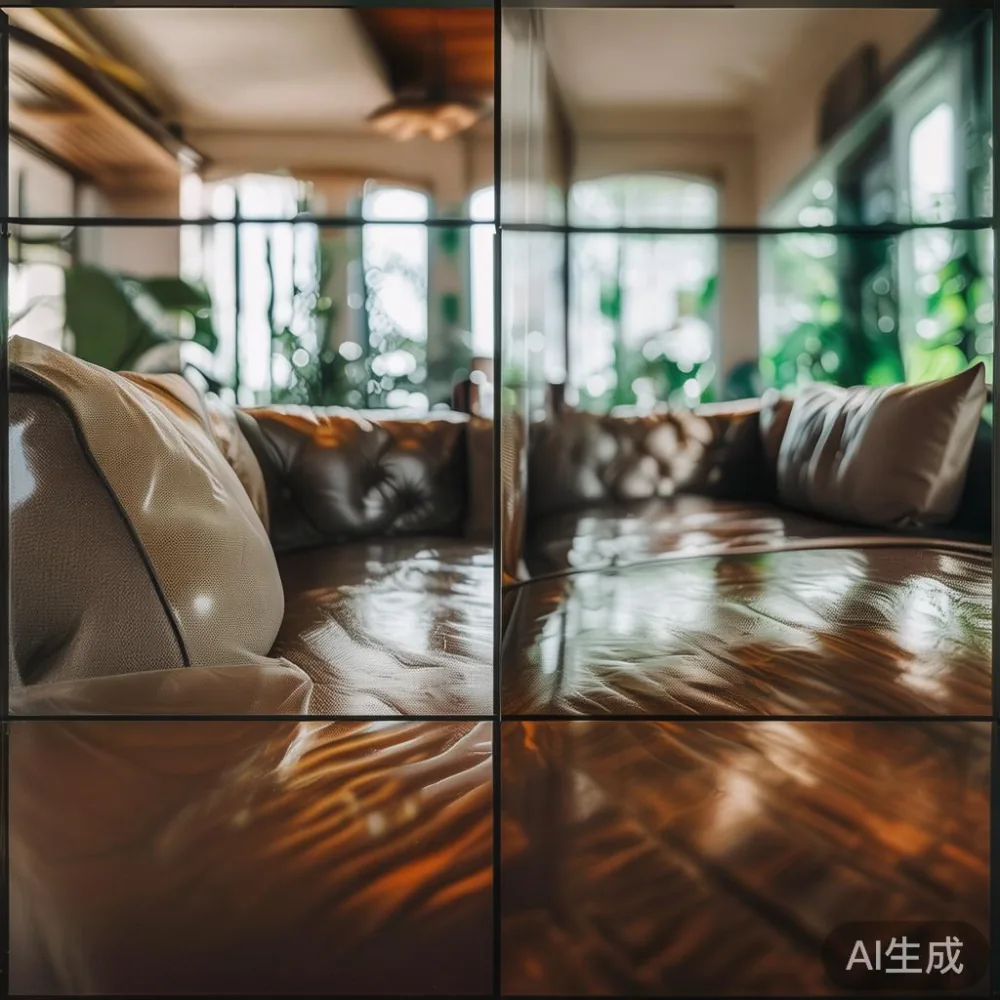
My Tampines Test: One Sofa, Three Conditions, 90 Days
Last month I visited a friend's newly renovated 990 sq ft Punggol condo and she had three identical MIDHILL care sofa frames placed in three spots: one by the east-facing window, one against the air-con duct, and one in the dry corner near the kitchen. After 90 days we wiped each with a clean microfibre cloth and held it under a torch. The window-side frame showed the faintest patch of bloom where the morning sun landed at 8:40 a.m. The air-con duct frame looked pristine. The kitchen-corner piece had the softest sheen loss because cooking steam drifted across it twice a week. The lesson: airflow beats sunlight, and steam beats both.
I asked my colleague to record the actual cost of a small dehumidifier (a SGD 169 Meaco 12L unit) running eight hours overnight in her 4-room HDB. Her power bill went up by roughly SGD 11 per month, but her lacquered dining table and care sofa both feel drier to the touch. For a household with three lacquered pieces, that is cheaper than one professional re-polishing session, which a local carpenter quoted at SGD 280 per piece.
Can I Use a Regular Furniture Polish Every Week?
This is the question I get every Saturday at the MIDHILL Tampines showroom, usually from owners of light-luxury wardrobes and dining tables who want their bedroom suite to look showroom-fresh. The short answer is no. Most aerosol polishes contain silicone oil, which builds up into a cloudy film that traps moisture against the lacquer. Within six months in a tropical climate, that film turns yellow and starts to feel waxy. I have rubbed off that wax from a client's Bedok condominium dining table using four microfibre cloths, 30 ml of isopropyl alcohol, and 45 minutes of patient work. The table was 14 months old.
What works instead is plain warm water, a few drops of pH-neutral dish soap, and a clean cotton cloth wiped with the grain. Dry immediately with a second cloth. For deeper cleaning once a quarter, a 1:4 mix of white vinegar and distilled water removes the soap residue without harming the lacquer. Skip the vinegar if your sofa has a high-gloss post-modern light luxury finish; the acid can dull mirror-polished surfaces over many applications.
What Is the Best Way to Move a Care Sofa Through a HDB Door?
Singapore HDB corridor doors are typically 91 cm wide, lift openings are 80 cm, and the lift car interior is roughly 1.1 m wide by 1.4 m deep. A 220 cm three-seater care sofa cannot pivot inside an 80 cm lift opening if it is kept fully together. Three-seaters and above should be partially disassembled at delivery. MIDHILL's white-glove team in Singapore removes the legs and separates the backrest from the base for any frame above 200 cm, which protects both the lacquer and the corridor walls. If you ever move house yourself, wrap lacquered surfaces first in moving blankets, then in cling wrap, and never use blue painter's tape directly on the surface. The adhesive can lift a patch of lacquer that takes six months of careful buffing to hide.
For the heavier items in the same shipment, such as a marble table or a 180 cm European light luxury bed, ask the crew to use furniture dollies with rubber wheels. A 90 kg marble top on a standard dolly will mark a corridor floor tile within two trips, but rubber wheels leave nothing. MIDHILL charges nothing extra for this service on orders above SGD 350 delivered anywhere in Singapore, including Sentosa and the Jurong islands.
How Should I Clean Spills and Sticky Fingers Without Damaging the Lacquer?
Children, kopi spills, and pet paws are the three biggest enemies of a lacquered care sofa. Blot, never wipe. Wiping pushes the liquid sideways and into the grain seam at the armrest. Blotting lifts it. For kopi with condensed milk, blot with a damp cloth first, then follow with the soap-and-water method above. For sticky toffee or mango juice (both common culprits during Hari Raya and Chinese New Year open houses), use a cloth barely dampened with warm water and a single drop of dish soap. Repeat up to four times. If the mark is still there after 24 hours, stop. Aggressive scrubbing removes lacquer faster than the stain ever would.
Pet owners should keep a dedicated throw over the favourite sleeping spot. Hair, dander, and body oils degrade lacquer faster than almost any other contaminant because they are mildly acidic. A washable cotton throw at SGD 18 from IKEA costs less than one professional touch-up.
Do I Really Need to Refinish a Lacquered Care Sofa Every Few Years?
Most light-luxury lacquer finishes, including the seven-coat process used by MIDHILL on its French light luxury line, last 8 to 12 years in mainland Foshan conditions. In Singapore, expect 6 to 9 years for a heavily used three-seater. The first signs are a dull patch on the armrest and a faint orange-peel texture where the hand rests. At that point, do not strip the finish yourself. A local restorer can buff and recoat for roughly SGD 380 to SGD 520 per piece, depending on size. MIDHILL's Singapore customers also have access to the lifetime refinishing service that ships the frame back to Foshan for a full factory re-spray. The round-trip container cost is shared, and the customer only pays the labour, which works out to around SGD 240 for a standard care sofa. I have seen a six-year-old frame return looking indistinguishable from a brand new one.
For owners who chose the post-modern light luxury range with brushed brass legs and marble accents, refinishing is even more important because mixed materials age at different rates. The lacquer yellows slightly, the brass tarnishes, and the marble dulls in three different timelines. A coordinated refresh every six to eight years keeps the whole composition looking intentional.
How Can I Style a Japandi Bed and a European Light Luxury Wardrobe in the Same Bedroom Without Lacquer Drama?
The easiest way to style a Japandi bed in bedroom settings that also include a European light luxury wardrobe is to keep both finishes in the same sheen family. A matte Japandi oak bed frame and a satin-gloss European wardrobe will fight each other under bedroom lighting, and any imbalance in humidity will show as a tone mismatch within a season. Pick either both matte or both satin. Pair the bed with raw linen bedding in undyed oat or soft taupe, add one ceramic table lamp on a solid wood nightstand, and keep the wardrobe handles in brushed brass rather than polished chrome. Polished chrome reflects the lacquer and doubles the visual humidity of the room.
For households wondering is Italian light luxury wardrobe worth it when the alternative is a flat-pack from a local retailer, the answer depends on humidity tolerance. Flat-pack laminates handle 85 percent RH better than solid wood, but they cannot be sanded and recoated. A solid hardwood wardrobe with a proper lacquer system can be refinished rather than replaced, which is why MIDHILL's lifetime refinishing promise carries real weight in a tropical city. If you change homes, refinish; if you change styles, refinish; if you simply want a new colour, refinish.
What About Second-Hand or Vintage Pieces, and How Do They Compare?
The market for for sale Vintage furniture in Singapore has grown roughly 18 percent year on year since 2021, fuelled by Joo Chiat and Tiong Bahru bungalow clearances. Older lacquered pieces, especially those built between the 1960s and 1980s, often used shellac or nitrocellulose that is softer than modern polyurethane. Treat them like fine wine: stable humidity, no direct sun, no silicone polish. A 1970s teak sideboard bought at a SGD 420 estate sale in Katong can outlive a brand-new laminate unit if the owner respects the finish.
For owners weighing a European light luxury bed vs Mid-century modern bed for a master bedroom, the comparison comes down to sheen and proportion. Mid-century frames usually sit lower (28 cm platform height versus 38 cm on most European light luxury frames) and show a softer matte sheen. European light luxury tends toward cleaner lines, slightly higher gloss, and brass or chrome accents. In a 13 sq m HDB master bedroom, a 38 cm platform actually helps under-bed storage breathe, which matters when the floor is two degrees cooler than the air.
A Simple 90-Day Routine That Actually Works
Put these four habits on the calendar and the lacquer will outlast the warranty. Week 1: wipe the care sofa with a dry microfibre cloth to pick up airborne salt from the kitchen. Week 4: damp-wipe with the soap-and-water method. Week 8: check all screws, since tropical humidity loosens metal fittings faster than temperate climates. Week 12: a deeper clean, an hour of air-con-only drying, and a light buff with a soft cotton cloth. For owners with a full MIDHILL suite including a solid wood dining table, bed frame, wardrobe, nightstand, and marble table, rotate which piece gets the quarterly deep clean so no single item wears out faster than the others.
Two small purchases make the routine easier: a pack of twelve microfibre cloths (SGD 14 at any NTUC) and a 750 ml spray bottle of distilled water (SGD 3). Total annual cost under SGD 45, which is less than a single weekend taxi fare to IKEA. Keep the spray bottle away from lacquered surfaces in direct sun; the lens effect of water droplets under UV can mark the finish in under an hour.
What Should I Do If the Lacquer Has Already Started to Bloom or Peel?
Blooma white cloudy haze under the lacquer is the first warning sign, and it is almost always reversible if you act within the first month. Move the piece away from the humid wall, run a dehumidifier for 72 hours, and wipe gently with a dry cloth. If the haze does not lift, the moisture has penetrated the film and a professional buff is required. Peeling is permanent. Do not try to glue the flake back. Leave the patch alone, photograph it for the warranty claim, and call the original supplier. MIDHILL's 10-year structural warranty covers lacquer delamination on frames bought after 2018, and the claims process for Singapore customers is handled by the local Tampines office with a 7 to 14 day turnaround on inspection.
One last note. Lacquer is not a fragile museum finish. It is a working surface meant to be lived on, sat on, and folded across after a long day. A care sofa that you actually use, wipe weekly, and keep out of direct afternoon sun will look far better in year eight than a showpiece you were too nervous to sit on. That balance between respect and use is the real secret of caring for lacquered solid wood in a tropical climate, and it is the same balance that makes light-luxury furniture worth the freight across the South China Sea in the first place.