Care Sofa: Veneer or Solid Wood? A 5-Year Cost Comparison for Singapore Homes
A sofa can look expensive on handover day and still become a recurring financial commitment. For Singapore households, the material beneath a care sofa matters because humidity, lift access, daily cleaning and repair decisions all affect what a piece costs over 5 years. Veneer can deliver the visual effect of timber on a controlled budget; solid wood can offer different repair and refinishing possibilities. Neither option is automatically the right answer.
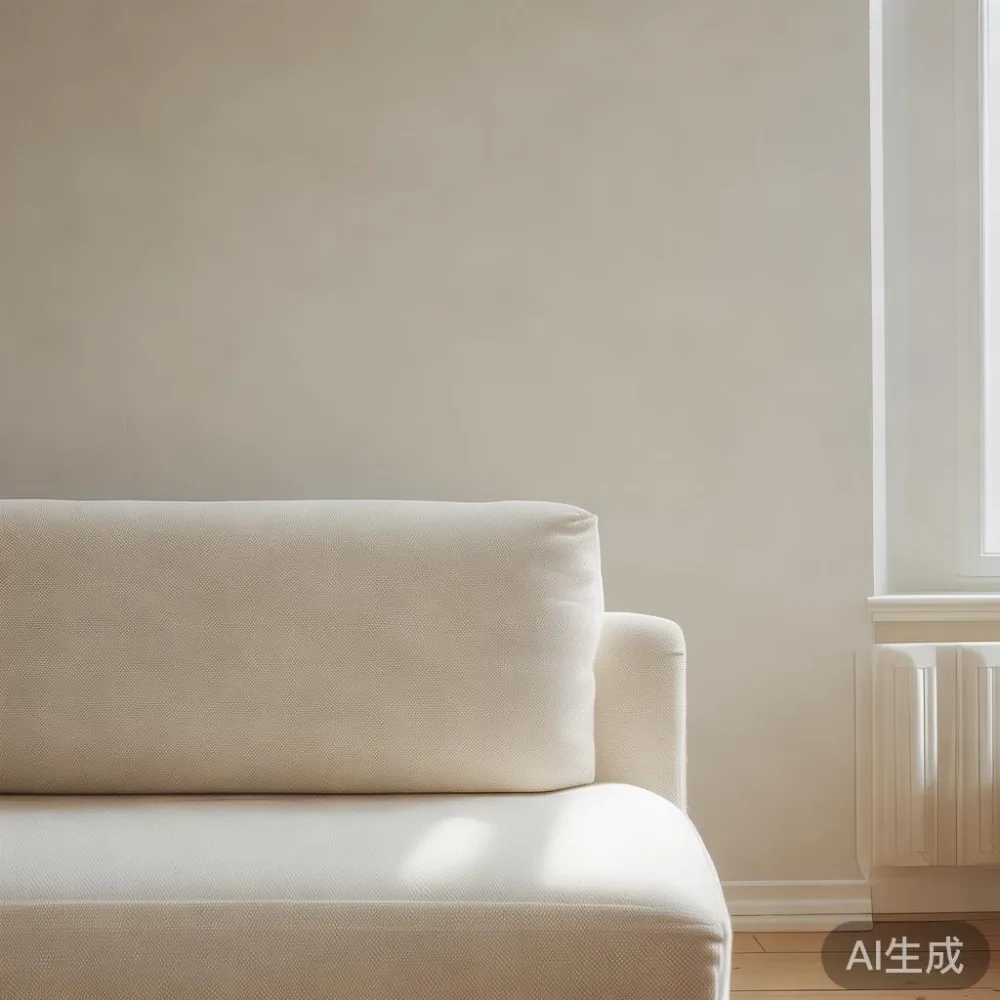
This comparison uses a 220 cm three-seat care sofa, a 180 cm bed frame, a 200 cm dining table and a 120 cm wardrobe as representative furniture dimensions. Prices are indicative Singapore retail figures in SGD and include the 9% GST when stated. Delivery, assembly, maintenance, replacement and disposal costs are included where they normally occur.
Local conditions deserve attention. An HDB flat in Tampines, Bedok or Punggol often has a lift measuring roughly 90-110 cm wide and 140-210 cm deep. A corridor turn of 90 degrees can reduce the usable turning diameter of a sofa. A solid wood dining table may weigh 75-95 kg, while a 220 cm solid wood care sofa can reach 85-110 kg. Veneered versions can be lighter, but the difference depends on the substrate and construction rather than the visible face alone.
What does veneer actually mean on a care sofa?
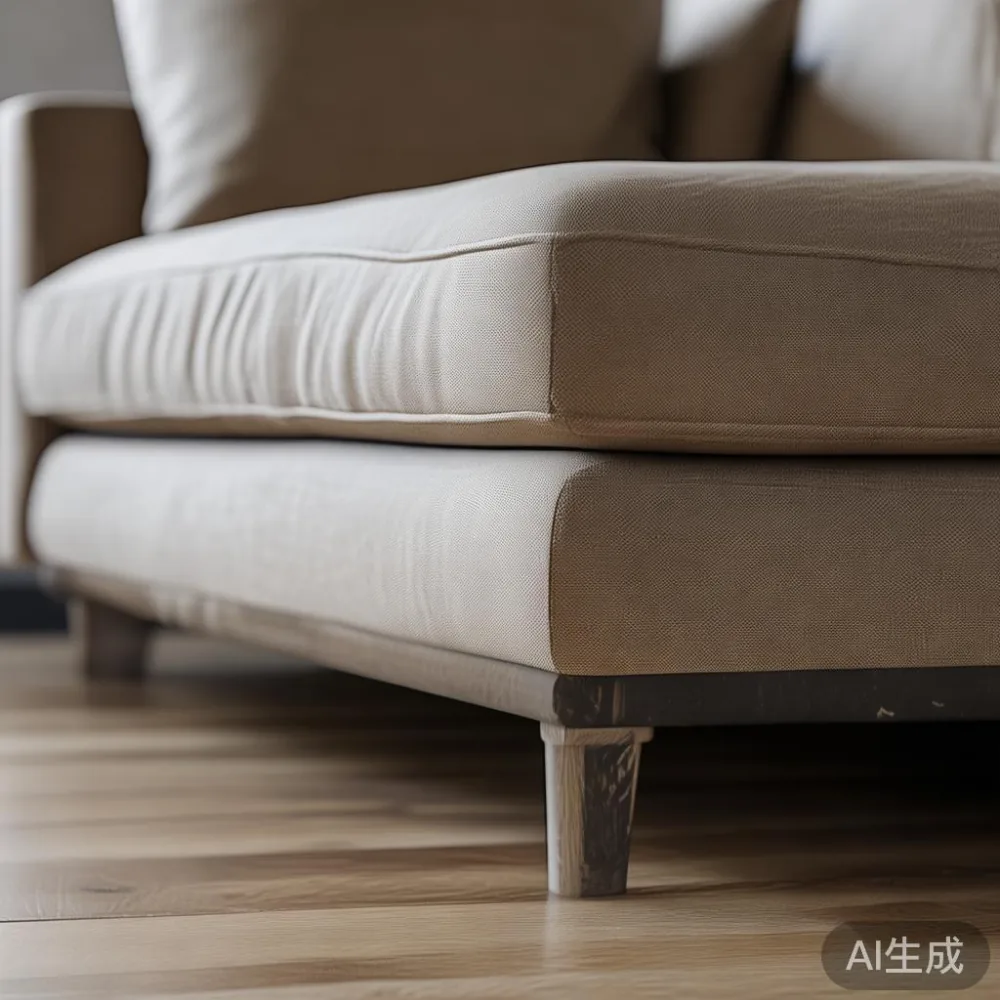
Veneer is a thin layer of real timber, often around 0.6-1.2 mm, bonded to a engineered board such as plywood or MDF. A 220 cm three-seat care sofa may use curved plywood or hardwood sections beneath the upholstery, with veneer applied to visible panels. A buyer can therefore own a sofa with real wood surfaces without receiving a solid timber carcass throughout.
The key financial point is where the veneer sits. On a wide arm, tabletop or wardrobe door, veneer may cover a stable board. On a curved sofa arm, quality depends heavily on the bend and adhesive system. Ask for the substrate, veneer thickness, plywood grade and moisture-content information in writing. Photographs of a sample do not reveal delamination resistance.
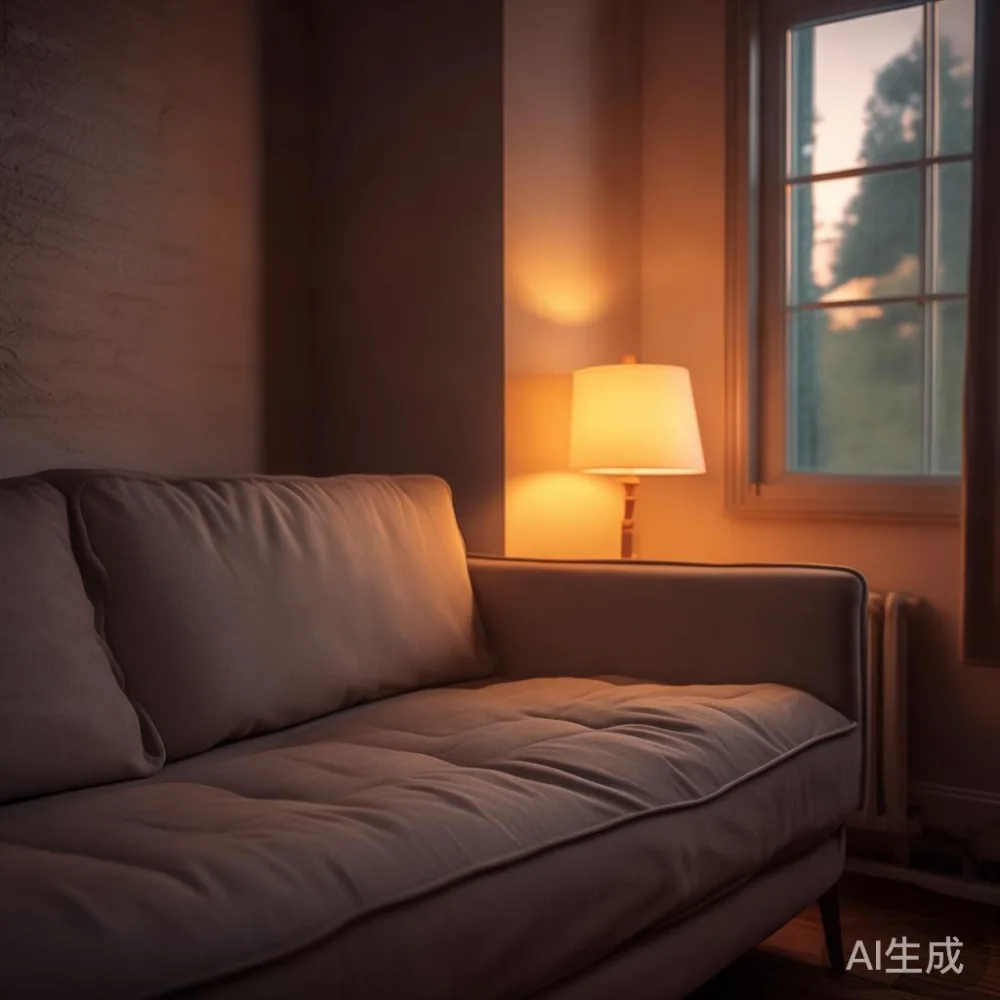
Solid wood uses timber through the visible panel and structural members, although a well-built sofa can still combine wood, plywood, foam, fabric and metal springs. The term does not mean every component is one species of wood. For a Singapore home, a solid wood sofa with stable joinery and proper humidity care can be refinished; a veneered care sofa may also be refinished, but only if the veneer has remained bonded and the edges are accessible.
For design comparison, European sofa vs Nordic sofa is more about proportions and atmosphere than one fixed material. A European arrangement may use tighter lines, warm woods and denser visual detail, while a Nordic direction often uses pale timber, simpler profiles and lighter visual spacing. If you are reviewing for sale Japandi furniture, sample light oak, ash or walnut finishes under the same 4000-lux lighting used at home.
What are the purchase prices in Singapore?
The figures below compare comparable products before delivery unless noted. They are planning estimates rather than fixed seller quotations. Confirm the final price, GST treatment and access requirements before payment.
- 220 cm veneer care sofa: SGD 1,850-2,650 including GST.
- 220 cm solid wood care sofa: SGD 2,950-4,800 including GST.
- 180 cm veneer bed frame: SGD 780-1,350 including GST.
- 180 cm solid wood bed frame: SGD 1,280-2,650 including GST.
- 200 cm veneer dining table: SGD 980-1,850 including GST.
- 200 cm solid wood dining table: SGD 1,750-3,600 including GST.
- 120 cm two-door veneer wardrobe: SGD 820-1,480 including GST.
- 120 cm two-door solid wood wardrobe: SGD 1,450-2,750 including GST.
A polished stone surface creates another decision point. A 100 cm marble table can cost SGD 2,200-4,800 including GST, with delivery adding SGD 120-260 because of its weight. A 100 cm solid wood dining table may cost SGD 1,250-2,300. Marble does not require timber refinishing, but it can chip and may need professional resealing depending on porosity.
These ranges avoid presenting one decorative style as universally superior. French light luxury, American light luxury and post-modern light luxury can all use engineered panels, solid wood or mixed construction. Light luxury concerns proportion, tactile quality and execution, not simply a premium label.
How much do delivery and access cost over 5 years?
For a Singapore HDB flat, delivery to the lobby is often included, while carrying the package upstairs may cost SGD 40-120 per trip. A bulky solid wood sofa may need a second mover or extra handling time, adding SGD 60-180. A veneer care sofa may arrive in separate modules, which can reduce hallway damage and stair effort.
Measure before ordering. A sofa box or module should pass through a 90-110 cm lift doorway with at least 5-10 cm clearance. For corridor turns, record the narrowest width at 90 and 180 degrees. If a 220 cm sofa cannot be rotated into the corridor, specify a modular 2-seat plus 1-seat configuration. For a condo, ask whether the loading bay, basement route and lift reservation require a delivery window.
Typical delivery time is 7-21 days for stocked Singapore items and 25-60 days for made-to-order or imported solid wood pieces. If a supplier offers free shipping over US$350, the threshold applies to the order value in the stated currency and should not be confused with guaranteed free delivery inside every Singapore building. A lift booking, doorstep handling, assembly and packaging removal may remain chargeable.
Budgeted delivery across the example set is approximately SGD 260-480 for veneer and SGD 420-760 for solid wood. Initial delivery is only part of the 5-year total; a sofa that cannot enter the lift can trigger alteration, storage or disposal costs much greater than the delivery quote.
What does maintenance cost over 60 months?
For a fabric care sofa, vacuuming the upholstery and cleaning the gaps every week is sensible. Use a pH-neutral cleaner, test it on a hidden 10 cm area and avoid saturating the fabric. Plan about SGD 80-220 per year for professional cleaning and consumables. Add SGD 120-350 for one carefully timed steam or deep clean over 5 years if your household has pets, children or frequent eating on the sofa.
Solid wood needs controlled humidity. Singapore's outdoor relative humidity commonly ranges around 65-90%, while air-conditioned interiors may fall to 45-60%. Keep the piece 15-30 cm away from walls and air-conditioning outlets, use a hygrometer and wipe spills promptly. A basic care kit—soft cloth, mild cleaner and wood conditioner—costs SGD 25-70.
Refinishing is where solid wood can become financially meaningful, though it is not automatic. A small maintenance sanding and oiling session may cost SGD 120-300. Full stripping and refinishing of a sofa frame can cost SGD 450-1,100, depending on condition. Veneer repair depends on the damaged area: a small edge chip may cost SGD 60-180 to patch, while a loose panel or failed bond can require replacement of the panel, the whole care sofa or several components.
One real example came from my colleague, who visited a client in Bedok last month. The client had chosen a veneer care sofa with a walnut-look finish because it fit the HDB living room at SGD 2,180 including GST. After 22 months, one front arm had lifted at the lower seam. The maker supplied the panel, but local labour and return transport came to SGD 290, plus SGD 45 for adhesive and patching materials. The piece looked new again, yet the owner described the episode as a repair project rather than simple maintenance. A solid timber alternative would not have guaranteed zero defects, but its thicker damaged edge would have offered a different repair path.
What might a repair or replacement cost in year 5?
The largest cost difference can come from how a product fails. Veneer may separate along an edge, scratch through to the substrate, or bubble after moisture exposure. Solid wood can split, move with seasonal humidity, or develop joints that loosen. Neither outcome is inevitable, and good indoor humidity reduces both risks.
Allow the following 5-year repair reserve:
- Veneer care sofa: SGD 180-650 for one edge or panel repair, plus SGD 90-300 if an upholstery panel needs replacement.
- Solid wood care sofa: SGD 220-900 for local timber and finish work, or SGD 650-1,500 if a complete refinishing job is required.
- Veneer bed frame: SGD 100-450 for joints, surface repair or replacement hardware.
- Solid wood bed frame: SGD 150-600 for joint repair and refinishing.
- Marble table: SGD 180-750 for chip repair or professional surface treatment.
- Nightstand: approximately SGD 80-280 for veneer repairs and SGD 120-450 for solid wood refinishing or hardware replacement.
For a bedroom, searching for the best French bed for 2026 or the best Nordic bed for 2026 can obscure a simple requirement: adequate support and a finish suited to local humidity. A queen bed frame at 160 cm by 200 cm should offer stable slats at no more than 8-10 cm spacing for common foam mattresses. A French style may use a upholstered or timber headboard; a Nordic design may use exposed pale timber and a lower profile.
Ask whether refinishing is available and what it costs. MIDHILL offers a 10-year structural warranty and lifetime refinishing on qualifying products, but warranty scope, timber species, finish exclusions and ownership terms should be confirmed in the written contract. The same care principles apply when choosing a MIDHILL light luxury wardrobe: inspect the door edges, hinge geometry, drawer runners and moisture movement before accepting delivery.
What is the realistic 5-year cost comparison?
The following model covers one representative set: a 220 cm care sofa, 180 cm bed frame, 200 cm dining table, 120 cm wardrobe, one 100 cm marble table and one 60 cm nightstand. It uses mid-range purchase prices, delivery, routine care, one moderate repair and a 15% contingency. Each set includes GST where applicable.
- Veneer set: purchase SGD 5,480; delivery and assembly SGD 390; routine care over 60 months SGD 480; one probable repair SGD 290; contingency SGD 995. Five-year total: approximately SGD 7,635.
- Solid wood set: purchase SGD 9,050; delivery and assembly SGD 690; routine care over 60 months SGD 760; one probable repair SGD 520; contingency SGD 1,650. Five-year total: approximately SGD 12,670.
The midpoint comparison produces a difference of about SGD 5,035 over 60 months, or SGD 84 per month. The veneer set costs around 40% less in this model. A lower-priced veneer set could reduce the initial difference; a high-grade solid wood set with factory-finished care could reduce it through lower maintenance.
This is a planning model, not a promise. A room used by one adult, a rental turnover every 24 months and a pet household will produce different results. The 14-day return window should be used to inspect fit, finish and operation before a long-term decision becomes difficult to reverse.
How do you decide between veneer and solid wood?
Choose veneer when the purchase budget is firm, the room needs a coordinated finish and replacement parts are accessible. Ask for 0.6-1.2 mm veneer over stable plywood, detailed edge construction and a moisture-control warranty. Keep it away from persistent dampness, use coasters and trays, and clean spills within 10 minutes.
Choose solid wood when long-term refinishing matters, substantial surface wear is expected or the furniture includes load-bearing joints that can be serviced. Confirm that “solid wood” covers the relevant visible and structural components. Review the finish warranty, expected humidity range and approved repair process before purchase.
For a living room, the practical question is how to style European light luxury sofa in room without allowing material choice to dominate the space. A 220 cm care sofa needs at least 45-60 cm of circulation space in a common HDB layout. Pair it with a 100-120 cm side table, restrained lighting at 2700-3000 K and a rug extending at least 20 cm beyond the front legs. A French scheme can use curved edges and warm timber; American light luxury may favour generous cushions and broad profiles; post-modern light luxury can combine clean lines with one crafted detail.
The 5-year decision is not simply veneer against solid wood. It is total ownership cost under Singapore humidity, building access, household habits and repair availability. Compare the written specification, not only the sample finish. If a solid wood care sofa costs SGD 1,500 more and is likely to need SGD 400 more in repair over 60 months, the remaining SGD 1,100 may still represent useful long-term value. If the veneer version fits both the lift and the budget with adequate care, it can deliver a sensible result.