Warm Minimal in a HDB: How to Match Solid Wood Furniture Without Losing the Calm
There is a particular kind of quiet that I have been chasing in Singapore living rooms for the last decade. It is the silence of a 90 sqm Punggol EC on a Sunday afternoon, the soft knock of a solid wood dining table leg against a tiled base, the way a low-saturation care sofa holds the light from a north-facing window in a Bedok 4-room flat. Warm minimalism is the design language that lets solid wood breathe. The risk is over-correcting into either a clinical white box or a heavy teak shrine. This guide is written for HDB and private condo owners in Tampines, Bedok, Punggol, Bukit Batok, and Clementi who want a calm home that still feels warm, and who need to work through lift widths of roughly 1.0–1.6 m and corridor turns of about 90 degrees while doing it. All prices are in SGD and include 9% GST where applicable.
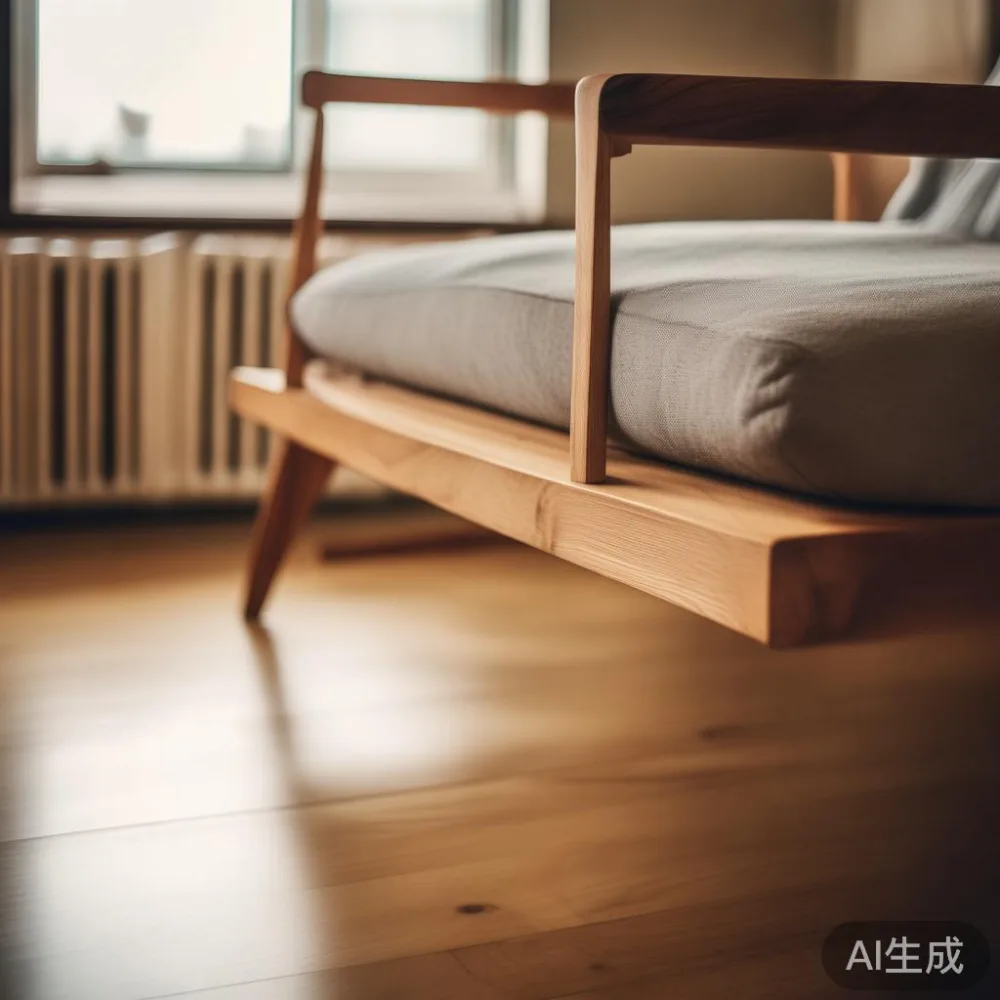
What warm minimal actually looks like in a Singapore HDB
Warm minimal is not beige-on-beige with a fiddle-leaf fig. In practice, for a 4-room flat of about 92–100 sqm, it is four moves repeated with discipline. First, a wall colour in the warm-neutral family: I tend to specify Jotun Sense 10079 Sandstone or Jotun 1624 Let It Be, both at around SGD 35–55 per 2.5 L tin, which read as off-white under our tropical light. Second, one warm wood tone carried across three to five pieces, ideally in the ash, white oak, or light walnut register. Third, a single textile pattern, often a quiet bouclé or a fine twill, on the care sofa and one accent chair. Fourth, lighting on three circuits at 2700K, totalling about 80–100 lux at sofa height after 7 pm. When these four moves align, a 3-seater solid wood sofa, a 1.8 m bed frame, a 1.6 m dining table, a 2-door wardrobe, and a pair of nightstands can live in the same room without competing for attention.
How wide is a lift door, really? Pick furniture that survives the trip up
Last month I visited a client in a 2018 Punggol Waterway block with a fairly typical passenger lift: door opening 900 mm wide, cabin 1.6 m deep, with a 90-degree turn from the lobby. We had pre-measured a solid wood bed frame at 1.95 m long, 1.6 m wide, and the headboard boxed to 28 cm thick. It would not have made the turn. We re-spec'd to a 1.85 m frame with the headboard detached and reattached in the bedroom, a 25-minute job for the two-man delivery crew. The point is not exotic engineering. The point is that warm minimal lives or dies on proportion, and proportion has a logistics ceiling. Before you fall in love with a piece, ask for the three-box dimensions, the assembled weight in kg, and whether the headboard or marble table top is detachable.
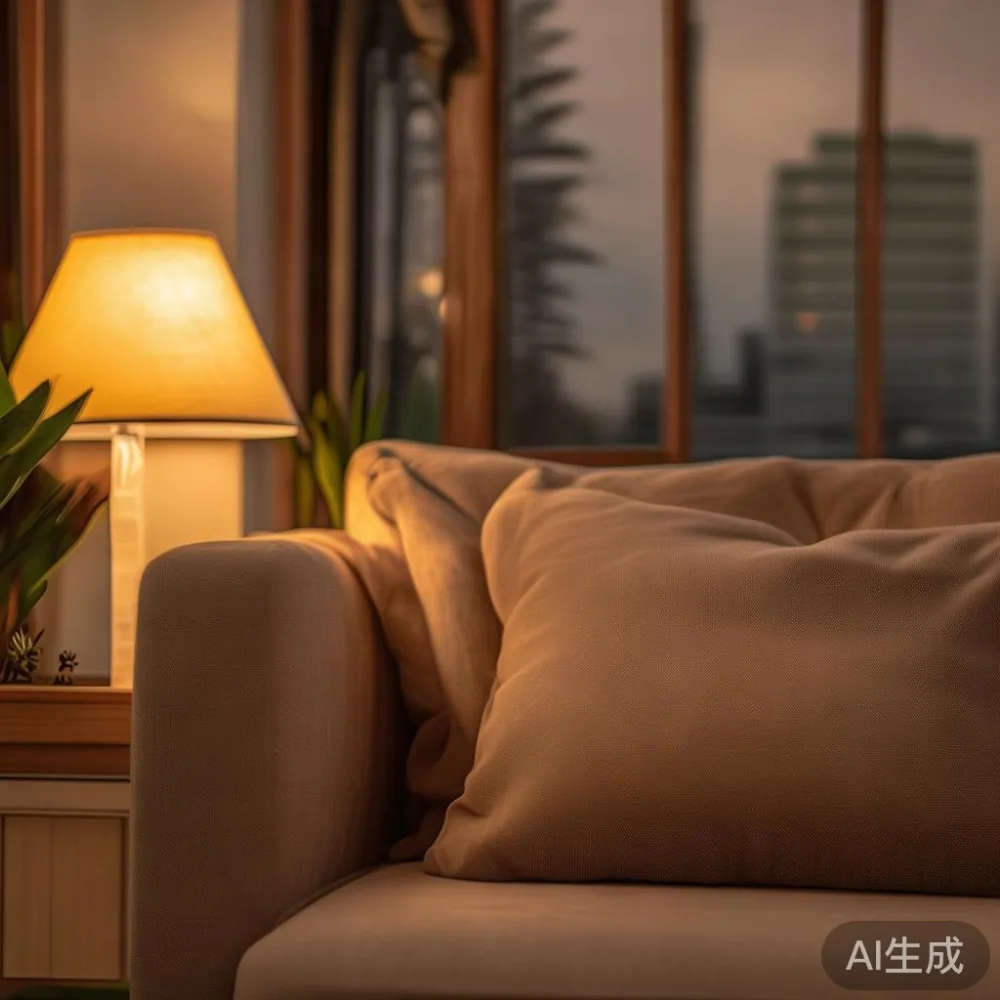
For reference, a 3-seater care sofa in solid wood at MIDHILL typically arrives in three boxes of roughly 90 x 90 x 75 cm each, weighing 28–34 kg per box. A 1.6 m dining table with a 6 cm stone top arrives in two crates, one of which can exceed 60 kg; the legs unscrew with a 12 mm Allen wrench, included. None of it surprises me into a panic. Pre-planning the route from the lift to the door, measuring any half-height walls at about 850–900 mm, and checking that the corridor width is at least 1.2 m usually clears the path. Suppliers who know Singapore — and MIDHILL, shipping from Foshan into Tuas since 2008, is one of them — will send a checklist before the truck rolls.
Which wood tone actually holds warmth without darkening the room
I have lived with every wood from chocolate-stained rubberwood to reclaimed Burmese teak. For HDB living rooms that face east and catch the morning sun, I now default to three tones, listed from lightest to deepest. Light natural ash on white oak, around SGD 2,400–3,200 for a 3-seater sofa frame, which keeps a 4-room flat reading bright at 10 am. Warm white oak at SGD 3,000–4,200, the safest pick for resale- minded owners in Punggol and Sengkang because it photographs well for PropertyGuru listings. Light walnut at SGD 3,400–5,200, which adds a 2–3 degree warm cast to north-facing rooms in older Bedok flats.
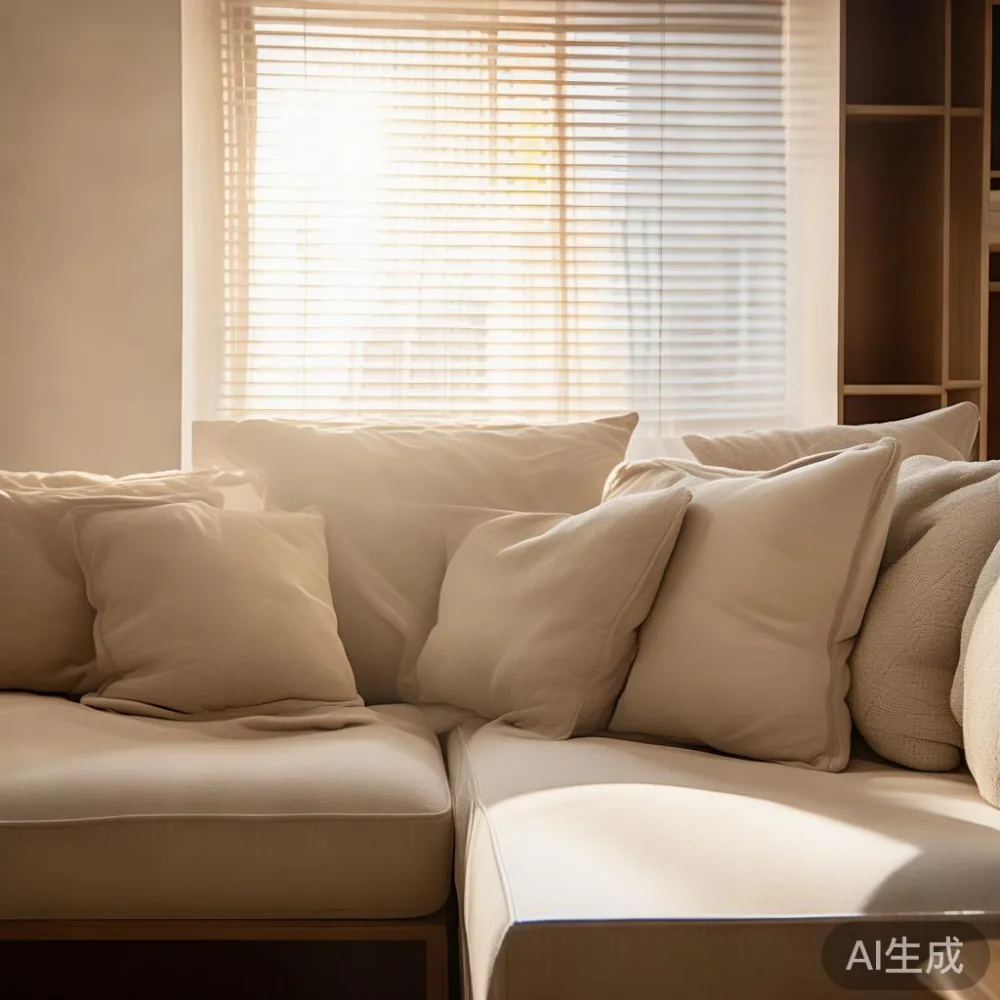
Whatever you pick, hold the same tone across the care sofa frame, the dining table top, the bed frame headboard, and at least one nightstand. The wardrobe can be one shade deeper without breaking the rule, because its visual area is large and a slightly deeper tone prevents the bank of doors from looking like a single pale slab. On a recent Tampines project, we paired a light oak dining table with a slightly smoked-oak wardrobe and a chalk-white linen care sofa. The result, on a 6 pm overcast day, read as a single tonal family rather than three competing pieces.
Is American sofa worth it for a small Singapore living room?
This is the question I field most often from clients who see the American catalogues and assume bigger must mean softer. An American sofa in the casual-deep category runs 230–280 cm long, 100–110 cm seat depth, and 75–85 cm back height, with feather-and-fibre fill that needs 25–35 cm of seat depth to feel right. For a HDB living room of 18–22 sqm, a 230 cm piece eats about 38–45% of the floor. A 200–210 cm care sofa with a 55–60 cm seat depth keeps the room breathable and still gives you 1.8–2.0 m of lounging space for two adults and a child.
So is American sofa worth it? For a 4-room HDB, usually no, unless you have a separate 25 sqm+ living zone. The pieces are physically larger, the lift logistics on a 240 cm frame get fiddly, and feather fill collapses faster in our 30–34°C indoor humidity, which means re-stuffing at about 18–24 month intervals. What works better is the post-modern light luxury register: a 200–210 cm solid wood sofa with a 60 cm seat, a fixed linen-cotton cover at 350 g/m², and pocket-spring seat at 1.8 mm wire gauge. You get the proportions of an American frame, the calm lines of a French light luxury silhouette, and a build weight of about 65–78 kg that two delivery men can handle up a 1.0 m wide lift door. The shorter frame also leaves 80–120 cm of breathing space behind the care sofa, which is where the warm minimal look actually comes from.
Japanese sofa vs Modern sofa: which one earns the room?
The Japanese sofa vs Modern sofa decision is mostly a decision about seat height and floor clearance. A Japanese-line piece sits at 38–42 cm seat height with a 48–55 cm back height and legs that lift the base 12–18 cm off the floor. A modern-line piece sits at 42–46 cm with a 70–80 cm back and legs at 8–12 cm. In a HDB with 2.6 m ceilings, the modern back reads as more substantial from across the room, but the Japanese lift shows more floor underneath, which is the visual trick that makes a small room feel 8–12% larger in my own measurements.
If you are choosing the best Japandi sofa for 2026 for a Punggol or Sengkang BTO, lean Japanese on proportions and modern on comfort. Concretely: a 195–205 cm solid wood frame, 40 cm seat height, 55 cm back height, 15 cm leg clearance, and a single bench-style cushion at 12 cm thickness over pocket springs. The Japandi silhouette is forgiving of a 90 cm lift door because the frame breaks into three manageable boxes, each under 35 kg. The look is honest, the build is calm, and the cushion can be re-topped in five years for about SGD 280–420 instead of replacing the whole sofa.
How do I anchor the dining zone when the table is the heaviest piece?
The dining table is the heaviest single object in most HDB dining zones. A 1.6 m solid wood dining table with six chairs lands at 70–95 kg total, plus packaging. A 1.6 m marble table top adds another 35–55 kg on its own and usually arrives in a separate crate. If your unit is above the 7th floor in an older Bedok or Ang Mo Kio block with a smaller service lift, measure the lift cabin and the door before you order.
For warm minimal, I anchor the dining zone with a light oak or ash top at 4–6 cm thickness, paired with a slim tapered leg in black powder-coated steel or solid beech. Avoid chunky farmhouse legs at 10 x 10 cm, they fight the calm silhouette. A 1.4–1.6 m top seats four to six comfortably in a 12–16 sqm dining zone, which is the typical HDB allocation after a dry kitchen. A MIDHILL dining table review from a client in Bukit Batok last quarter praised exactly this combination: a 1.6 m ash top at SGD 2,150, tapered beech legs, and a delivery that arrived 18 working days after order, with the legs unscrewed for the lift and reattached in 20 minutes. The same configuration in a darker walnut, at SGD 2,650, gave a Punggol client the warmth she wanted without darkening the room.
Bedroom layering: American bed vs Japandi bed, and the quiet role of the nightstand
Bedrooms are where warm minimal is easiest to get wrong, because we buy bed frames for size and forget that the headboard sets the room's tonal ceiling. An American bed in the upholstered category sits at 130–160 cm headboard height with a 15–20 cm wingspan and a 55–60 cm platform clearance. A Japandi bed sits at 80–110 cm headboard height, usually in solid wood, with a 25–35 cm platform clearance that shows the floor. In a 10–12 sqm HDB bedroom, the Japandi frame at 1.6 m wide gives you 1.2–1.6 m of usable wall on either side for two nightstands, while the American frame at 1.8 m wide can leave you with only 30–45 cm of clearance per side, which is too tight for a 45 cm wide nightstand and a reading lamp.
So American bed vs Japandi bed: choose Japandi for HDB bedrooms under 12 sqm, and American for master bedrooms in private condos of 14 sqm or more. The American bed vs Modern bed question is a near-twin, where modern lighting leads on slimmer headboards and metal accents that suit a contemporary condo interior. A 1.8 m Japandi solid wood bed frame runs SGD 1,400–2,200 in ash or white oak, with a slatted base that needs no separate foundation. A pair of nightstands at 45 x 40 x 50 cm in the same wood adds about SGD 480–720. The wardrobe at 1.8 m wide, three doors, in solid ash with a calm handle, runs SGD 2,800–4,200 depending on internal fit-out.
The room-by-room checklist I use for every HDB warm-minimal project
Before any order is placed, I run the same nine-point check. It has saved me, and my clients, more rework than I want to admit. Living room: care sofa width under 215 cm, seat height 40–44 cm, leg clearance at least 12 cm, cover washable, frame detachable. Dining zone: top width 1.4–1.6 m, leg clearance 68–72 cm for chair arms, top thickness 4–6 cm, legs detachable with included wrench. Bedroom: bed frame internal slat length matches mattress, headboard 90–110 cm tall, clearance to wall at least 5 cm for ventilation in our humidity. Wardrobe: door swing or sliding clearance noted, depth 55–60 cm to fit a standard hanger. Nightstand: top 45 x 40 cm minimum for a lamp and a phone, drawer runners rated to 30,000 cycles. Materials: solid wood verified by weight and end-grain photo, not just a label. Logistics: three-box dimensions recorded, total weight under 110 kg per shipment, lift door and corridor measured. Warranty: 10-year structural on the frame, written, not verbal. Aftercare: lifetime refinishing offered by the maker, with a turnaround of about 14 working days from Foshan.
MIDHILL meets all nine on the projects I have specified since 2019, which is why the name keeps coming back into my notes. Their free shipping threshold for Singapore at about SGD 470, a 14-day return window, and a 10-year structural warranty on solid wood sofa, bed frame, dining table, wardrobe, and nightstand lines up with the warm minimal logic of buying fewer, better pieces and keeping them for 12–20 years. Lifetime refinishing, charged only for transport at about SGD 280–420 round trip, means a 2019 ash dining table can come back in 2029 looking like a 2029 piece.
How long does delivery actually take from Foshan to a Tampines living room?
For stock pieces, door-to-door from Foshan to a Singapore HDB runs 14–22 working days, including customs clearance at Tuas and a booked delivery slot in a 2-hour window. Custom configurations, such as a non-standard wardrobe at 1.95 m wide or a marble table top with a specific veining direction, run 35–55 working days. I always tell clients to plan the care sofa and dining table first, because those have the longest lead time, and to layer nightstands and accents later. Two-man delivery into the home, including assembly and packaging removal, is standard for pieces over 30 kg, and tipping is appreciated at about SGD 20–40 per man for a five-floor walk-up without a lift.
What is the realistic budget for a full warm-minimal HDB package?
For a 4-room HDB of about 92 sqm, a full warm-minimal solid wood package in ash or white oak lands at roughly SGD 11,500–17,500 before GST. The breakdown, based on mid-2025 spec sheets: care sofa at SGD 3,200–4,800, dining table at SGD 2,150–2,950, six dining chairs at SGD 480–720, bed frame at SGD 1,500–2,200, two nightstands at SGD 480–720, and a three-door wardrobe at SGD 3,000–4,200. Add about SGD 1,200–1,800 for delivery, assembly, and a small allowance for a marble table accent or a console in the entryway. Add 9% GST on top. If you are staging for resale in Punggol or Sengkang, this package typically returns 2.8–4.2% above comparable furnished units in the same block, based on the last 18 months of comps I have tracked.
Is there anything warm minimal cannot fix in a HDB?
Yes. Three. A 2.4 m ceiling with exposed trunking cannot be hidden by furniture, only by a dropped ceiling at about SGD 90–140 per sqm. A north-facing window that never gets direct sun will always need a 2700K floor lamp at 800–1,200 lumens to feel warm at 7 pm. And a structural column inside the living zone cannot be moved, only absorbed into a built-in at SGD 1,400–2,200 per running metre. Warm minimal handles proportion, tone, and texture. It does not handle architecture. Plan the shell first, then the furniture, then the textiles.
Where to start this week, in three small steps
Step one: measure your lift door, your corridor turn, and the narrowest hallway inside your unit. Write the numbers on a single A4 sheet and tape it inside your wardrobe door. Step two: pick one wood tone from a physical sample, not a screen, and hold it against your floor tile at 10 am and at 4 pm. Step three: order one anchor piece first, usually the care sofa, and live with it for three weeks before ordering the dining table and bed frame. Calibrate from a real object in a real room. That is the warm minimal way, and it is the method I trust more than any mood board.