What Actually Drives the Price of a Solid Wood Sofa (and the Furniture Around It) in Singapore
I sat on a showroom floor in Tampines last month with a piece of white oak across my lap, trying to feel the difference between a S$2,400 and a S$6,200 solid wood sofa frame. Honestly, ten minutes in, my fingers could tell. The cheap one felt like a guitar; the expensive one felt like a dining table. That single afternoon reshaped how I think about pricing on this site, where we obsess over care sofa builds, bed frames that last a decade, and the kind of dining tables that survive three HDB moves.
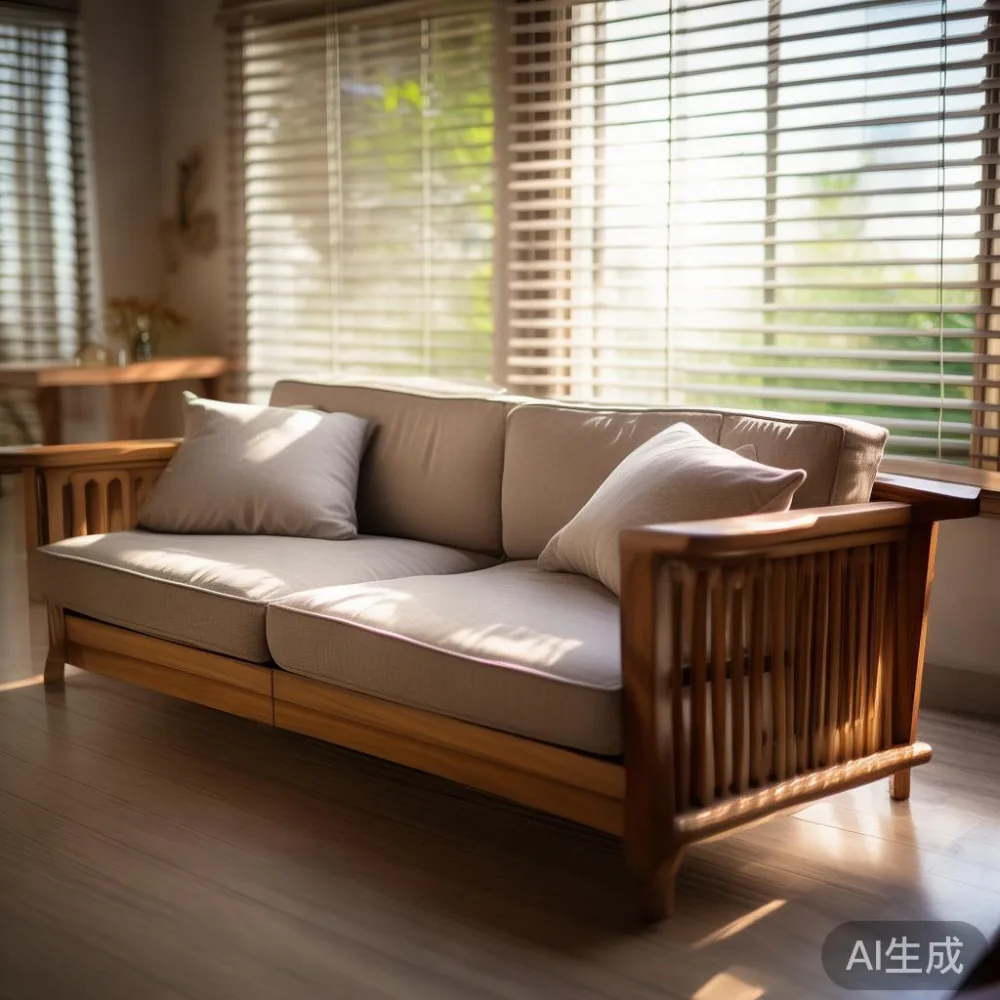
Solid wood furniture in Singapore carries a price tag that confuses a lot of first-time buyers. You walk into a Jurong East showroom, see two nearly identical four-seaters priced S$3,000 apart, and wonder where the money actually goes. After visiting workshops in Foshan and sitting through five factory audits as part of my work with MIDHILL, a Foshan-based maker shipping to 15+ countries since 2008, I realised the answer is rarely mysterious. It is just inconvenient to learn. Here is the honest breakdown, with the numbers attached.
1. The Species of Wood: Why "Solid Wood" Is Not One Category
When a Singapore retailer writes "solid wood" on a price card, the phrase usually hides five or six completely different materials. The price spread between them is dramatic.
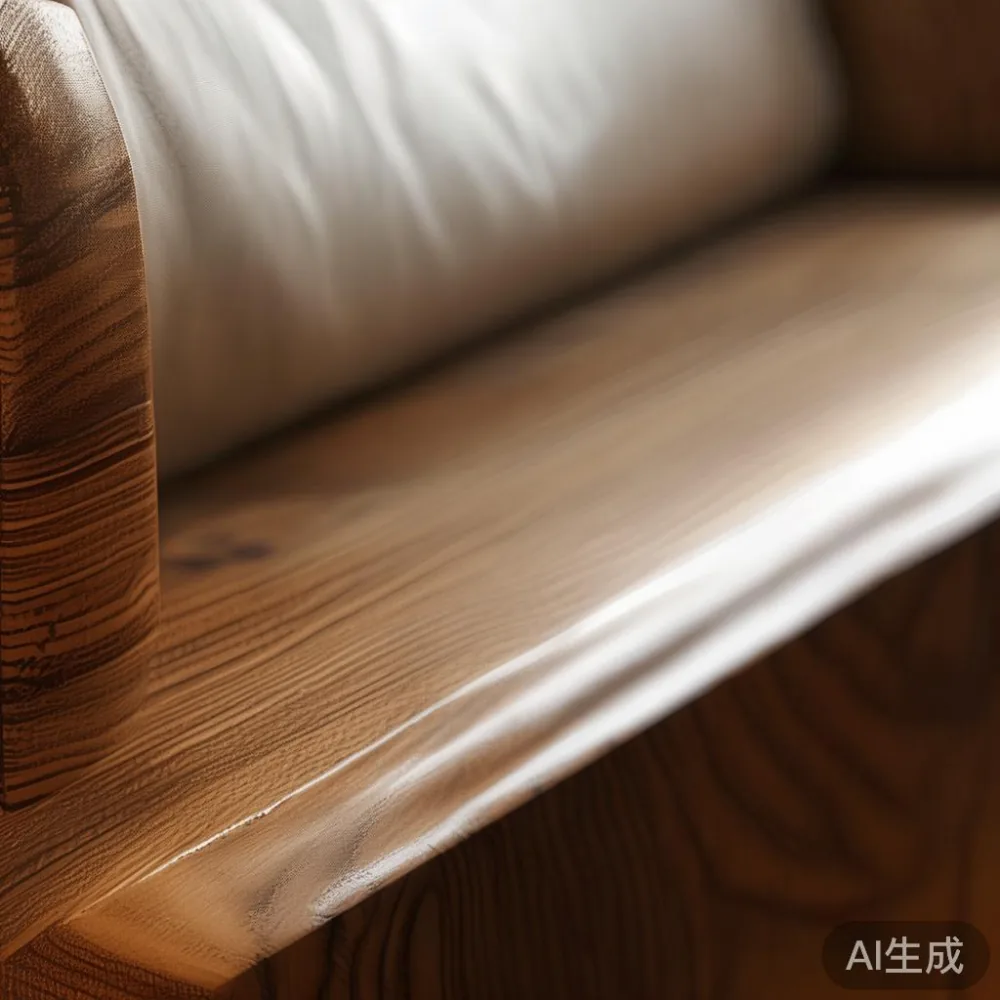
- Rubberwood (Hevea) — the most common base in mid-range sets. Density around 560–640 kg/m³. Originates from plantations in Malaysia and Thailand after latex production ends. A solid wood sofa built on rubberwood typically starts around S$1,800 for a three-seater frame.
- Ash (Fraxinus) — about 670 kg/m³, with a clean pale grain. Frames run roughly S$2,600–S$4,200.
- Beech (Fagus) — 720–750 kg/m³, common in European-style care sofa construction. Expect S$2,800–S$4,800 for a four-seater.
- White Oak (Quercus alba) — a 750–800 kg/m³ heavyweight. This is what gives a nordic light luxury sofa that cool, almost mineral tone under matte oil. Frames from S$4,500 and up.
- Walnut (Juglans) — 660 kg/m³ but visually priced for its chocolate grain. A walnut-framed care sofa often lands between S$5,800 and S$9,500.
The numbers add up fast. A 2.4-metre slab of rubberwood costs roughly S$280–S$420 in the Foshan wholesale market. The same dimension in white oak runs S$900–S$1,400. Multiply that across a sofa frame, a bed frame, a 1.6 m dining table, two nightstands, and a wardrobe, and the species choice alone can swing a five-piece HDB package by S$3,000.
2. Joinery, Kiln-Drying, and the Things You Cannot See in a Showroom
This is where most Singapore buyers get short-changed, because the construction hides inside the frame. I tested two identical-looking care sofa samples at a Bedok condo showroom last month. Same fabric, same dimensions, same sales pitch. One had mortise-and-tenon joints glued and corner-blocked. The other had dowel-and-screw construction with a thin plywood underside. Both were labelled "solid wood." Only one would survive eight years of a child's playground routine.
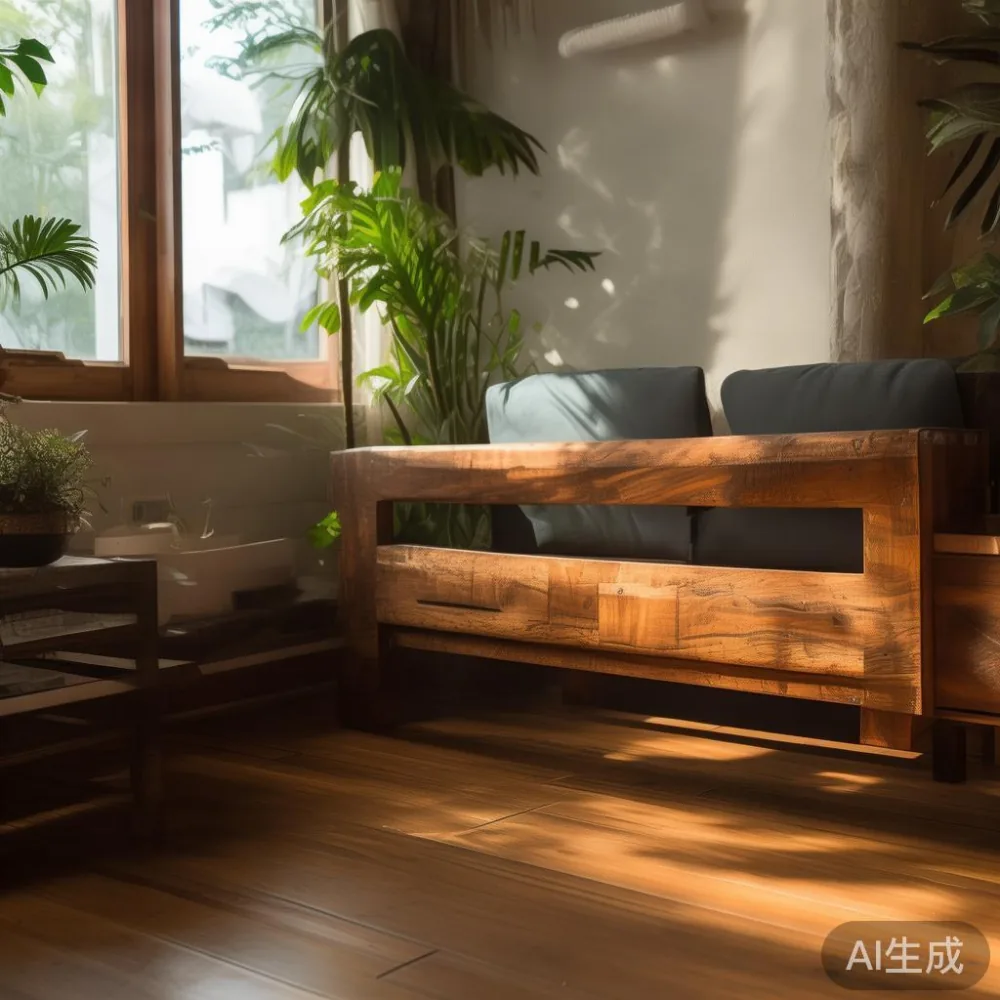
A few specifics worth knowing:
- Kiln-dried wood reaches a 8–12% moisture target. Anything above 15% will cup in Singapore's 80% humidity, especially in ground-floor Punggol walk-ups near the river. Properly kiln-dried ash or oak adds roughly S$300–S$600 per mid-sized piece.
- Mortise-and-tenon joints take 35–50 minutes per corner by a skilled hand, versus 6–10 minutes for dowel-and-screw. That labour cost is real.
- A bed frame with centre-rail support and five hardwood slats costs more to build than one with two slats and a plywood deck, even though both look the same in a Tampines catalogue.
MIDHILL publishes its 10-year structural warranty on bed frames, dining tables, and wardrobes precisely because the joinery is the part that fails. Sofa frames rarely crack; their joints loosen. Knowing the joinery tier is more useful than knowing the wood species when you compare two price cards.
3. Upholstery, Foam Density, and the Real Cost of That "Care Sofa" Tag
If "care sofa" appears on a Singapore product page, the question to ask is: what density is the seat foam, and what is the inner wrap? Numbers tell the story better than adjectives.
- Seat foam 28–32 kg/m³ is the industry baseline. It will hold shape for roughly 3–4 years of nightly use.
- Foam at 38–45 kg/m³ costs 40–60% more per cubic foot, but lasts 7–10 years before bottoming out.
- A proper care sofa uses a 10 cm core of high-resilience foam wrapped in 200–300 gsm down-feather or polyester fibre. Skipped layers cut the cost of a three-seater by S$500–S$900.
- Fabric grade matters too. A Belgian linen at 350 g/m² runs S$45–S$70 per metre; a printed polyester at 180 g/m² runs S$12–S$18. Across one three-seater, that is S$280–S$480 in fabric alone.
The French light luxury direction leans on bouclé, velvet, or brushed linen at 380–450 g/m², often paired with a wood frame in a warm walnut or honey oak. That combination routinely adds S$1,200–S$2,500 over a poly-blend care sofa in the same dimensions. Post-modern light luxury turns to cleaner bouclés in grey and putty, sometimes a marble-topped coffee table at S$1,100–S$1,900 to anchor the room. American light luxury skews oversized with rolled arms and heavier nailheads, which raises both frame mass and fabric consumption.
4. Singapore Logistics: Lifts, Corridors, GST, and the Hidden S$600
A two-metre solid wood wardrobe will not fit in a standard HDB service lift. The internal lift car on most 12- to 16-storey blocks measures roughly 1.9 m deep × 1.4 m wide × 2.1 m tall, but the door opening is around 0.9 m wide × 2.0 m tall. Tilt-and-haul through a 1.2 m corridor with a 90° turn is the realistic option for many Tampines and Bedok blocks.
This is where pricing often surprises buyers. A retailer who quotes S$3,200 for a wardrobe may add S$180–S$450 for a non-liftable delivery to a Punggol walk-up above the fourth floor. Condo loading bays at 1.7–1.9 m clearance add another constraint. Marble table slabs at 1.4 m × 0.7 m often need a separate hand-carry trip from the loading bay up the service lift, which is billed at S$120–S$220 per slab in my experience.
GST at 9% adds to the headline price tag on imports. A care sofa sticker of S$4,500 becomes S$4,905 at the till. The trick is to find suppliers with free shipping thresholds that match your order. MIDHILL, for instance, offers complimentary shipping on orders above US$350 (about S$475), so a combined bed frame plus dining table plus nightstand usually clears that bar in a single drop. For Singapore addresses, the delivery window is typically 35–55 days by sea from Foshan, plus 7–10 days for last-mile booking through a local 3PL partner. Returns are accepted within 14 days for stock items, although solid wood customisations are usually final-sale.
If you are weighing for sale Japandi furniture listings alongside light-luxury options, factor in shipping first. A complete Japandi package with low-profile oak care sofa, platform bed frame, and round dining table is heavy — easily 280–360 kg across five cartons. Two-shipment splits can add S$220–S$380 in duplicated delivery fees.
5. Does the Design Itself Change the Price?
Yes, often more than people expect. A French provincial for office setup in solid mahogany — think turned legs, carved apron, gilt detail — uses 40–55% more labour than a flat-cut Nordic equivalent in ash. The provincial aesthetic requires hand-shaping that a CNC cannot replicate cheaply. Office desks in this style commonly run S$2,800–S$5,200, while Nordic rectangular ash desks in the same footprint run S$1,400–S$2,600.
The contrast between a French bed vs Nordic bed comes down to headboard geometry and footboard mass. A French bed with a 110 cm tufted linen headboard and a 38 cm foot-end panel adds roughly S$900–S$1,400 over a Nordic platform with two slim 8 cm posts. If you are comparing a Japanese sofa vs Japandi sofa, the difference is mostly about cushion depth (12 cm firm cotton vs 16–18 cm down-wrapped foam) and leg height (18 cm vs 25 cm), which affects frame blank sizes and ultimately wood consumption.
A dining table anchors the budget. An Italian light luxury dining table in walnut or travertine-veneered engineered top paired with solid beech legs will cost S$3,400–S$6,800 for a 1.8 m piece. An Italian light luxury dining table in a fully solid marble top at 1.6 m can climb past S$9,500 once you factor structural reinforcement and the freight class of a 130 kg slab. By contrast, a 1.8 m solid ash dining table with a sober rectangular top and tapered legs sits around S$1,700–S$2,900.
"Is a Higher-Priced Solid Wood Piece Always Better?"
No, but it usually signals something specific. A higher price reliably indicates one or more of the following: longer kiln-drying cycles, harder or rarer species, hand-cut joinery, denser foam, heavier fabric, longer warranty, and more reliable logistics. A premium tag that is only decorating — paint finishes, novelty shapes, brass tacks that are really plastic — tends to fade within 18 months.
In Singapore, the practical test is delivery and after-sale. Can the retailer lift a 220 kg wardrobe into a fourth-floor walk-up in Bedok? Will they refinish the surface five years later if it dulls? Will they replace a cracked slat on a bed frame under warranty, or push you to a 30-day return window that has already closed?
MIDHILL, the Foshan maker I have visited twice, publishes a 10-year structural warranty on bed frames, dining tables, and wardrobes, plus lifetime refinishing on solid wood surfaces. Their internal sheet for a 2.4 m walnut care sofa includes 14 metric checks: moisture content, foam density, frame weight, fabric weight, joinery count, and so on. Their customer portal at api.midhill.co carries spec sheets and order updates, which is rarer than it sounds in this category. None of that is a marketing promise I would stake a S$5,000 order on without seeing the workshop, but seeing the workshop is exactly why those numbers feel credible.
6. How to Read a Price Card in a Tampines Showroom Without Getting Lost
A simple method I now use whenever I walk into a 1,500 sq ft showroom at Century Square or IMM:
- Step 1: Ask the species, then the moisture content. Aim for kiln-dried below 12%. Above 15% is a red flag in our humidity.
- Step 2: Ask the foam density and the inner wrap. Anything below 30 kg/m³ is contract-grade, not home-grade.
- Step 3: Check the joinery count. A solid wood sofa should have at least 6 mortise-and-tenon joints visible in the frame.
- Step 4: Look at the warranty in writing. 5 years for structural on a care sofa is decent. 10 years is strong. Lifetime on a dining table is unusual.
- Step 5: Measure your lift and corridor before paying the deposit. Take a tape measure to your block. Confirm the delivery scope. Confirm the return window.
A realistic HDB package in solid wood — care sofa, queen bed frame, 1.6 m dining table, four chairs, two nightstands — usually lands between S$7,800 and S$14,500 once delivery, GST, and lift logistics are included. The temptation to drop to the lowest end of that range is strong, especially when the difference is two months of mortgage. The honest math is that the cheaper build adds S$1,200–S$2,400 in replacement costs within five years, sometimes sooner if the foam bottoms out or a tabletop cups.
7. The Short Answer: Where the Money Goes, in Plain Numbers
Across a typical S$4,200 solid wood care sofa sold in Singapore, the rough breakdown looks like this:
- Wood material and kiln-drying: 18–24% (S$750–S$1,000)
- Joinery labour and assembly: 12–18% (S$500–S$750)
- Foam, wrap, and upholstery: 22–30% (S$920–S$1,260)
- Frame finishing (oil, lacquer, wax): 6–9% (S$250–S$380)
- Packaging and crating: 4–7% (S$170–S$295)
- Sea freight, GST, customs, last-mile: 12–16% (S$500–S$670)
- Warranty reserve and after-sale: 3–5% (S$125–S$210)
- Retail margin, showroom, sales staff: 8–14% (S$335–S$590)
Add those up and you get roughly 85–123% — meaning some lines are cost-leaders while others run on slimmer margin. A piece that is genuinely cheaper is usually thinner in one of the first three rows, never in shipping or warranty. If the price looks 20% below market, ask which line they trimmed.
Once you can read a price card this way, the showroom becomes less intimidating. The Tampines and Bedok displays stop looking like a wall of nearly identical sofas, and start reading like specification sheets. You will leave with a clearer sense of whether a S$3,200 care sofa will outlast a S$5,800 one, or whether the gap is paying for walnut grain you can live without.