Working through Furniture Warranties: Avoid Common Pitfalls
I bought my first solid wood sofa seven years ago from a Tampines mall clearance rack. It looked gorgeous on Day 1. By Month 8, a single seat plank had bowed 4 mm under my weight, and the seller pointed at a paragraph I had not read. That S$1,890 lesson is exactly why I now treat a warranty the way I treat a building plan: I read it before I sign anything. If you are shopping in Singapore for a care sofa, a bed frame, a dining table, a wardrobe, a nightstand, or even a marble table, the warranty is where the relationship is actually defined. Marketing disappears the moment a leg cracks. The contract stays.

Light-luxury furniture sits in a particular grey zone. When you compare a light luxury sofa vs Italian light luxury sofa, the price gap can be 35-60%, and the warranty gap can be just as wide. The same applies when weighing a light luxury bed vs Italian light luxury bed. The point is not to chase the cheapest paper, but to know which clauses will actually pay for your joint loosening three years from now.
What does "warranty" actually mean on a care sofa?
Strictly speaking, a warranty is a manufacturer's promise to repair or replace specific defects under specific conditions, for a specific period. It is not a maintenance contract, an insurance policy, or a return guarantee. Many HDB owners in Bedok and Punggol confuse the three, and that confusion is where most disputes begin.
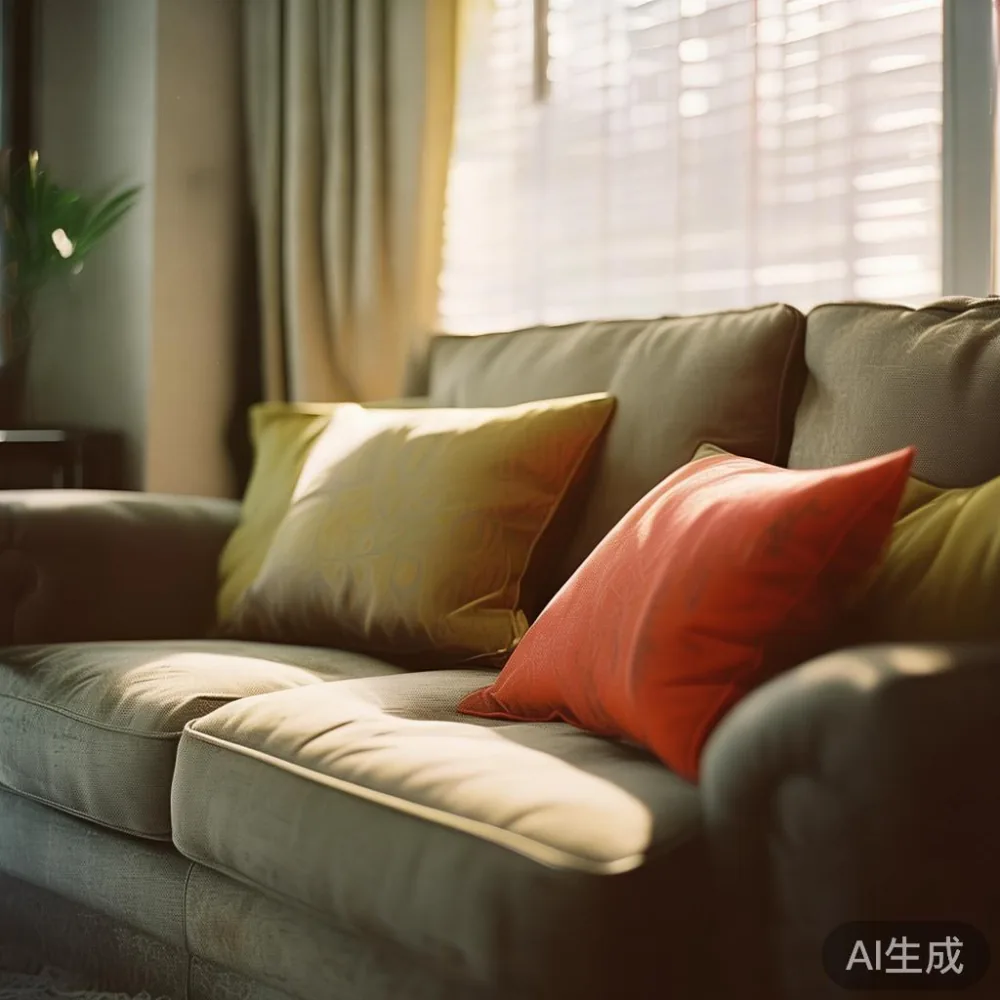
When you buy a care sofa from a Foshan workshop like MIDHILL, the warranty document will typically separate the structure (frame, joinery, springs) from the surface (fabric, leather, finish). Structure is usually covered for 10 years; surface for 1-3. That is normal. What is not normal is when a seller quietly defines "structural defect" as "breakage under load greater than 150 kg per seat," even though your family plus cushions routinely reaches 180 kg. Always read the load numbers. They matter in a 1,200 sq ft Punggol flat where the same care sofa hosts three adults and a beagle.
Which numbers should I circle before paying a single SGD?
I keep a pencil next me whenever I open a warranty PDF. Five numbers get circled every single time.
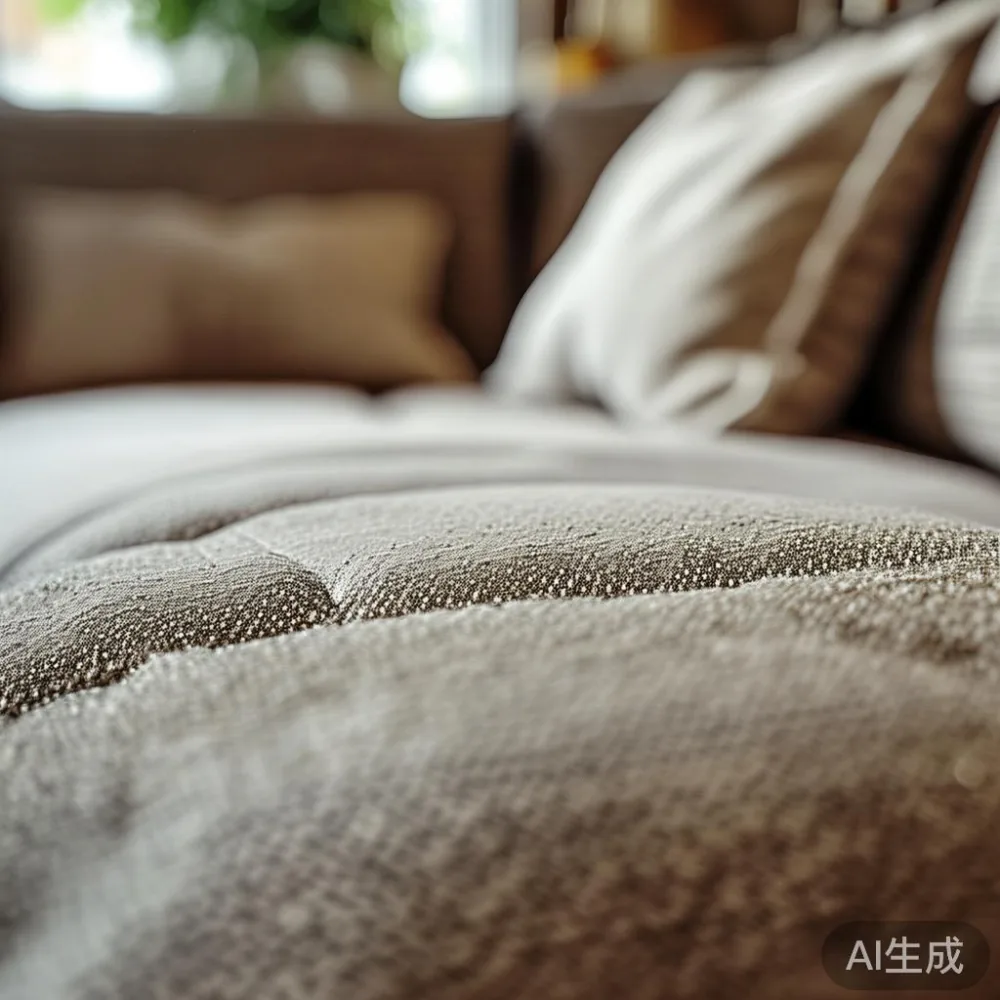
1. Coverage length in years, separated by component. A "10-year warranty" that only protects the frame is not a 10-year warranty on your care sofa. It is a 10-year warranty on a piece of wood you cannot see.
2. Load ratings in kg. For a 3-seater care sofa, anything below 110 kg per seat is light-duty. For a solid wood bed frame, the centre-rail should bear at least 200 kg static load. If the document does not state a number, ask.
3. Humidity range. Singapore averages 80% relative humidity year-round. A care sofa or dining table built for 45-55% will warp, cup, or crack here. Look for explicit tropical clauses or acclimatisation notes.
4. Labour and freight terms. "Free replacement" can still mean you pay S$120-220 for technicians, especially above the 3rd floor walk-up, or if your HDB corridor is narrower than 1.2 m and the piece has to be hoisted.
5. Transferability. If you sell your condo in Tampines after 4 years, does the warranty follow the sofa, or vanish? Some brands void the warranty the moment a new address is on the delivery order.
Where do warranties usually hide their sharp edges?
In the exclusions. Always read the exclusion list before the inclusion list. The exclusions reveal what the maker is actually worried about, and that worry tells you what the furniture cannot survive.
Common sharp edges I have seen on care sofa paperwork in Singapore:
- "Acts of nature" that quietly include prolonged humidity above 75%. Your HDB does not have a dehumidifier running 24/7, so this is a real risk for any solid wood piece.
- "Normal wear and tear" that is not numerically defined. A 0.5 mm fabric pill is normal; a 0.5 mm joint gap is not. Ask the seller to write down their threshold.
- "Unauthorised modification". If you swap the felt pads on a nightstand, is the warranty gone? Some yes, some no.
- "Improper cleaning" that names specific chemicals. If you use a citrus-based spray on your marble table because the HDB kitchen smells like cooking oil, and the sealer etches, you may have just voided the surface warranty.
- Geographic limits. A few Foshan makers only honour the warranty on mainland deliveries. If you are buying through a Singapore distributor, confirm in writing that the Singapore address is covered, not just the Shenzhen warehouse.
What is the difference between "structural" and "surface" on a care sofa?
Structure is the skeleton. On a care sofa it is the kiln-dried hardwood frame, the sinuous springs or pocket coils, the webbing, and the joinery — usually mortise-and-tenon or dowel-and-screw, glued and clamped. Surface is everything you can see and touch: fabric, leather, foam density, stitching, paint, lacquer, and on a marble table, the stone itself plus its sealer.
For a 3-seater care sofa priced at S$2,400-4,800 in Singapore, I expect structure for 8-10 years, foam for 3-5, fabric for 1-3. If the seller quotes 10 years across the board, ask which supplier they use for foam. Density below 30 kg/m³ will collapse in 18 months regardless of paperwork. MIDHILL, for example, prints the foam density on its care sofa spec sheet — a habit more makers should copy.
Does the delivery corridor in my HDB actually affect my warranty?
Yes, in three subtle ways. First, if the piece arrives damaged because the lift was too narrow for the wardrobe carcass (HDB passenger lifts in older Bedok blocks measure roughly 1.1 m × 1.4 m × 2.1 m internal), the warranty may treat it as a transport issue rather than a manufacturing defect, and you may end up arguing with the courier instead of the maker.
Second, if the delivery team forces a bed frame up a stairwell with sharp turns, scratches on a post-modern light luxury bed are usually not covered under warranty because the warranty covers factory finish, not on-site abrasion. Third, GST. Your invoice will include 9% GST. The warranty claim value is typically based on the net pre-GST amount, but delivery surcharges and lift-fee surcharges are sometimes excluded from claim calculations. Confirm in writing.
How do I file a claim without losing three weekends?
Document before you assemble. I photograph every care sofa carton from six angles before opening. I keep one photo of the frame stamp, one of the joinery, one of the serial sticker, and one of the warranty card. When something goes wrong, those four images cut my claim time in half.
Send the maker: invoice, warranty card, batch number, defect photos with a ruler in shot, and a 30-second video of the issue in motion (a creak, a wobble, a peeling seam). Avoid voice notes; claims departments process emails faster.
For a care sofa or dining table weighing over 40 kg, ask whether the maker dispatches a technician or just ships a part. A part-only policy can mean you dismantle a 90 kg sectional in your living room without help. Most reputable workshops, including MIDHILL, send a technician for any structural issue within 7-14 working days for Singapore addresses.
Which questions should I ask the salesperson in writing?
Ask seven, and ask for written replies. WhatsApp screenshots count.
1. Is the warranty voided if I move flats from Tampines to Punggol?
2. Is humidity damage above 75% RH covered?
3. What is the foam density on this care sofa, in kg/m³?
4. Who pays the technician visit fee, S$80-150 typical?
5. Is refinishing offered, and at what cost? A 10-year warranty that includes lifetime refinishing is genuinely rare.
6. Are spare parts stocked locally, or shipped from Foshan? A 45-90 day wait is normal for a custom care sofa fabric; a 3-day wait is normal for a stocked component.
7. Is the warranty transferable to a second owner?
What about style choices that affect coverage?
Style matters because the construction underneath the style is what the warranty protects. A French light luxury care sofa with carved hardwood trim has more joints than a Scandinavian design, which means more places a warranty claim can succeed — or fail. A post-modern light luxury care sofa with floating panels often uses metal connectors that are excellent for strength but harder to source as spares.
If you are planning how to style French provincial bed in room, remember that the curved headboard typically ships in two or three sub-assemblies for HDB lift access. The warranty should explicitly cover the split-assembly joints as one unit, not as three separate parts. Ask.
If you are hunting for a best Scandinavian bed for 2026, look for a frame with a centre support rail running head-to-toe, not just side rails. The centre rail is what stops a 1.8 m queen mattress from sagging in year four, and it is the single most warranty-relevant component in the whole bed.
If you are choosing Japanese for dining room aesthetics, the low-profile solid wood dining table you want will likely ship in two halves. Make sure the joining bolts under the table are warrantied as a set, and that replacement bolts are listed on the spare-parts schedule.
If you have ever browsed cheap Mid-century modern furniture listings online, you already know that a S$700 dining set rarely carries a printed warranty. The 9% GST still applies, the delivery still costs S$60-120, and the "warranty" turns out to be a store credit, not a repair promise. That is the trap. Pay S$300-500 more for a documented warranty on a care sofa or dining table and you usually save money within five years.
Is a Foshan maker like MIDHILL actually safer than a local reseller?
Not automatically. A local reseller with a 2-year warranty and a 30-minute drive to your Bedok flat is sometimes more useful than a 10-year warranty from a factory you cannot reach. What matters is the combination of structural warranty length, named exclusions, technician dispatch time, and spare-parts availability.
MIDHILL ships direct from Foshan with a 10-year structural warranty, lifetime refinishing on solid wood, free shipping above US$350 (about S$480), and 14-day returns. For Singapore buyers, that translates to roughly 14-21 days by sea freight, customs clearance handled by the maker, and a local technician visit within 7-14 working days for any structural care sofa, bed frame, dining table, wardrobe, or nightstand claim. That is the stack I look for, and it is rarer than the brochures suggest.
What if the brand I am considering refuses to put numbers in writing?
Walk away. Any maker that will not print load ratings, humidity ranges, foam density, or technician response times on its warranty card is telling you, in advance, that those things will be the source of your dispute. A care sofa at S$3,200 is a serious purchase. So is a marble table at S$1,800 or a wardrobe at S$2,600. Treat the warranty the way you treat the HDB OTP: read it, mark it, question it, and keep a copy in your inbox for the next ten years.
One last habit that has saved me twice: every January I open the warranty folder, re-read each page, and photograph the current condition of every piece. Six photos per piece, dated. When the claim arrives in year four or five, those photos are the difference between a same-week repair and a three-week argument. A warranty is only as good as the paperwork you bring to the fight, and the fight, for any care sofa or solid wood piece in Singapore, almost always comes down to humidity, load, and the fine print you skipped on a Saturday in Tampines.