How to Read a Furniture Warranty Without Getting Caught Out
Buying a solid wood sofa, a French light luxury bed frame, or a marble dining table for your Tampines or Punggol flat feels exciting — right up until something cracks, sags, or warps and you realise the paperwork you skimmed in the showroom matters more than the showroom pitch. A warranty is a contract, not a vibe, and the difference between a 1-year "limited" sticker and a genuine structural promise can be the difference between a SGD 1,200 repair and a free replacement frame. I learned this the hard way last month when I visited a friend in Bedok whose imported care sofa had begun to squeak at the joints after only fourteen months — the vendor's response was polite, short, and firmly outside the warranty period. Below is the field-tested checklist I now use before I sign any furniture delivery note.
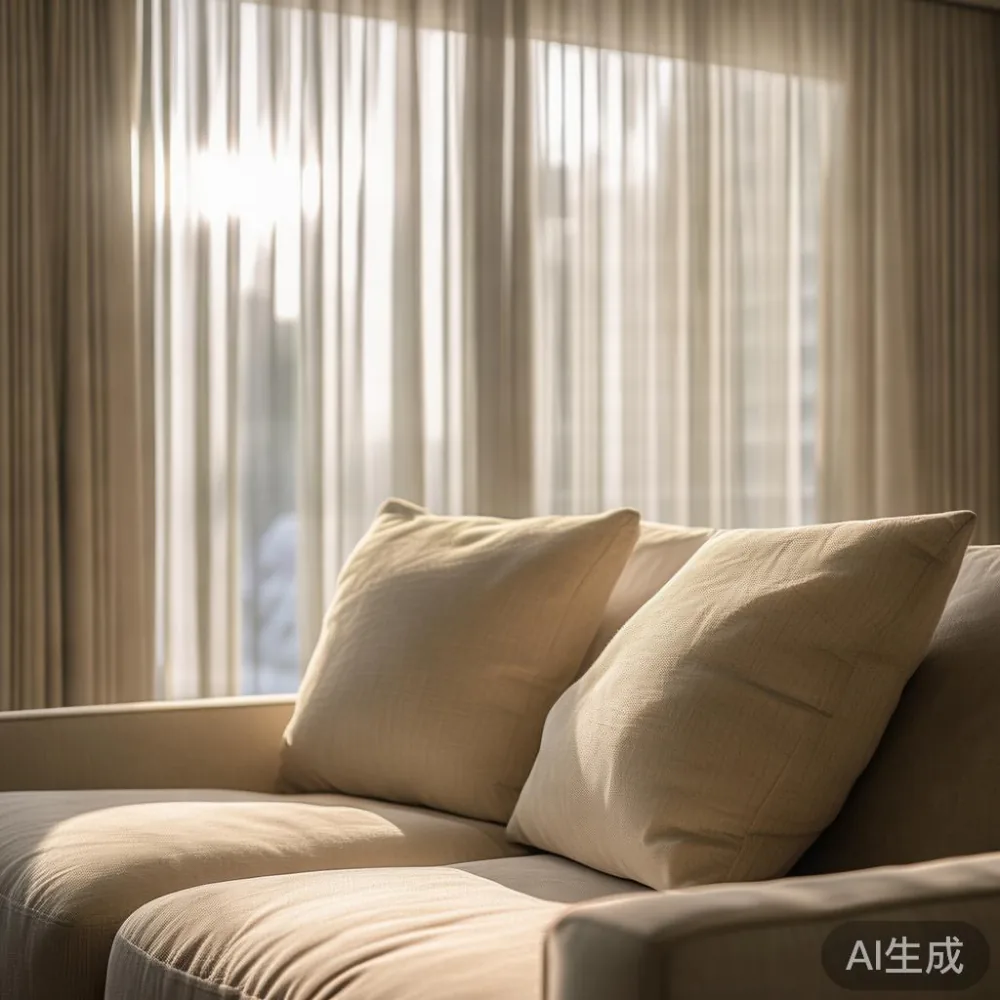
Does the warranty actually cover the frame, or just the fabric?
Always separate two numbers when you read a warranty document. The first is the duration on the structural parts — frame, joints, springs, slats, and legs. The second is the duration on the surface or consumable parts — fabric, foam, leather finish, stitching, and painted veneer. A 10-year structural warranty on a solid wood sofa from a Foshan-based maker like MIDHILL is a very different promise from a 10-year "limited" warranty that the local reseller reads down to 12 months on the moveable bits. Ask the salesperson to point to the line item, not the brochure cover. For the heavier pieces — a 180 kg marble table, a 2-metre solid wood wardrobe, a king-size bed frame — the structural number is the one that protects you against the failure that actually hurts your back and your floor.
If you are comparing, say, a Japanese sofa vs Nordic sofa debate for your HDB living room, both designs will likely deliver a slimmer visual profile that suits a 3.2-metre corridor, but the Japanese joinery tradition tends to use dowels and through-tenons that the warranty ought to specify. Nordic flat-pack, by contrast, often relies on cam-lock bolts that wear faster. Neither is automatically superior — the document, not the style tribe, tells you which survives year five.
What does "structural" actually mean to the seller?
You would be surprised how often "structural" is left undefined. A serious factory warranty defines structural as: permanent deformation or cracking of the solid wood frame under normal residential use, defined as indoor, climate-controlled, under 80% relative humidity, and below 80 kg per seat for a care sofa. If the document does not say that out loud, ask. I have seen warranties voided because the buyer stored a wardrobe in a non-aircon utility corner for two months and the humidity rose above 85%. The frame cracked, the claim was refused, and the buyer learned that their contract had a one-line ambient condition buried on page three.
For Singapore readers, that ambient humidity clause matters more than it would in London or Vancouver. Our baseline of 70–80% RH means a solid wood dining table needs to acclimatise inside the home for 5–7 days before use. A good warranty note will tell you so. A careless one will simply say "use indoors" and leave the burden on you.
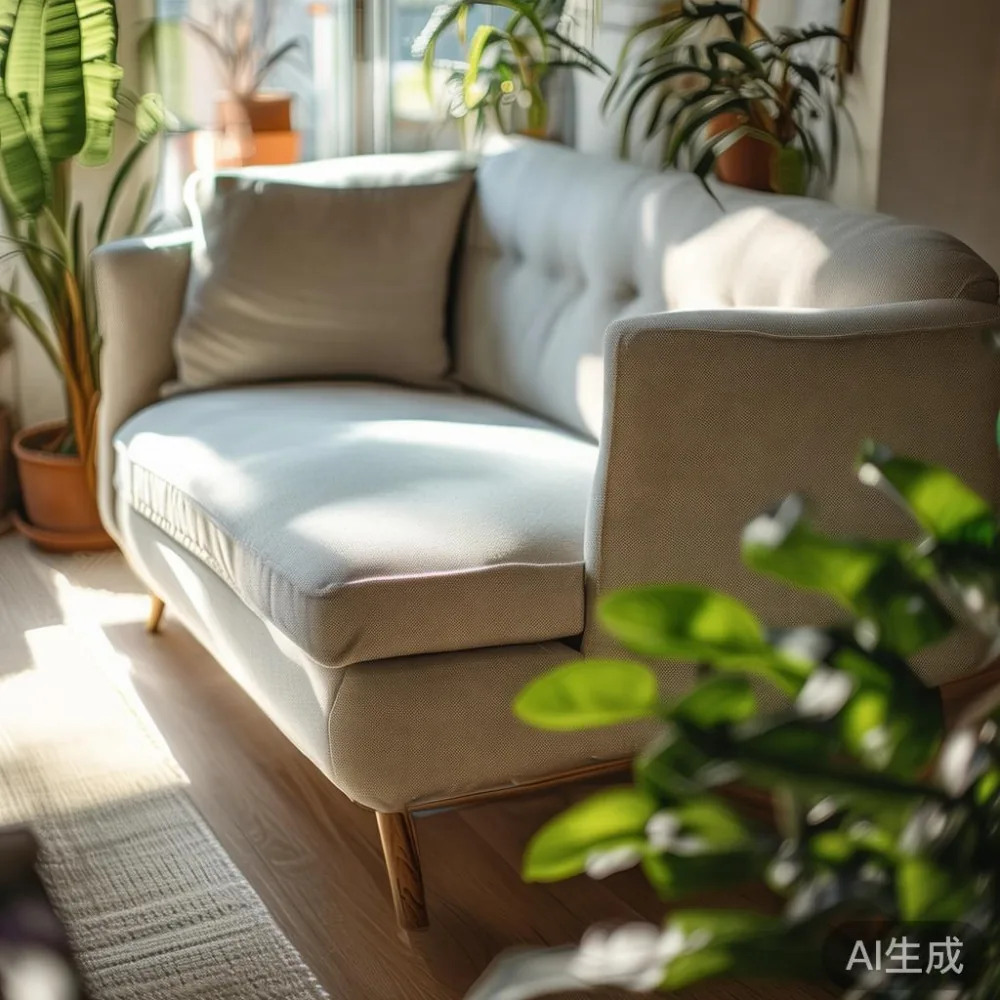
"Lifetime refinishing" — what does it really buy you?
Lifetime refinishing, when offered by an established Foshan maker such as MIDHILL, is usually a discounted or free round-trip sanding and re-lacquering service for the natural wear that comes with a decade of use — think faded teak, water rings on a nightstand, or micro-scratches on a marble table's wooden base. What lifetime refinishing almost never covers is damage from pets, moving without the factory crew, or unauthorised modifications (re-upholstery by a third party, drilling into a French light luxury bed frame to mount a headboard, painting over the original sealer). The wording of these exclusions is where warranties get unfriendly. Read them twice. Read them out loud. If you can, photograph the page.
Watch also for these common exclusions, phrased in the slightly legal-sounding way that often hides them in plain sight:
1. Normal wear and tear of fabric — defined so widely it can swallow most claims after year one.
2. Colour variation between showroom sample and your delivered unit — this is fair, but limits leather dye complaints.
3. Damage caused during self-assembly, or during customer-arranged moves.
4. Commercial or rental use, even if the unit lives in your condo and your tenant happens to use it.
5. Acts of nature — Singapore floods, aircon leakage, balcony exposure — almost always excluded.
How does shipping, GST, and delivery affect what is actually guaranteed?
Singapore buyers face a specific combination: a SGD 9% GST added at customs, a free-ship threshold many factories set around US$350 (about SGD 470), and lift access that varies wildly between an old Tampines 4-room HDB and a new Punggol condo with a 1.6 m wide service lift door. A warranty that covers "free shipping over US$350" only really protects you when the goods arrive — and arrival in a 1990s corridor block often means partial assembly in the lift lobby, stairs on the 7th floor, and two delivery men who technically are not the factory's employees. Insist on clarifying, in writing:
• Who pays for a second attempt if the first driver finds the lift too small for a 2.2 m wardrobe?
• Who pays if the lift lobby on level 3 is too narrow and the sofa must be hoisted via the service balcony?
• Is the 14-day return window measured from the invoice date or the actual delivered date, and does it include weekends?
• If a claim is approved, is the replacement shipped from Foshan or from a Singapore warehouse, and how many weeks later?
Those answers change real outcomes. A 14-day return counted from invoice is much harder to honour than 14 days from delivery, especially if your unit took 28 days to clear Yangshan Port and a Singapore container freight queue.
What if I am weighing a Mid-century modern dining table against a post-modern light luxury one?
Mid-century modern dining tables lean on tapered solid wood legs, often walnut or ash, with clean edges and minimal ornamentation. The construction is usually exposed, which is good news for warranty claims — you can see whether the legs are mortise-and-tenon, dowelled, or glued. A post-modern light luxury table adds brass-finished metal, sintered stone, or marble tops over the same structural language, and the warranty question shifts: did the seller warranty the stone-and-wood interface or only the wood? I have seen claim rejections for hairline cracks at the marble-to-frame joint because that hybrid layer technically is a "fixture", not a "structural component". If you love a marble table, ask the showroom to write the joining method and the warranty code for that hybrid joint directly onto the invoice.
For a Singapore HDB dining space of around 1.4 m by 0.9 m, a 6-seater at 180 cm length is comfortable, but a 200 cm table with an extension leaf is even better for hosting. Whatever length you pick, the warranty should specifically cover extension hardware — I have read contracts that exclude the metal runners because they are considered replaceable parts.
Will I really save money by choosing a factory-direct Foshan brand?
For a careful buyer, yes, but only if you do three things: read the warranty in full, refuse to pay a deposit before the document is in your hands, and time the delivery around your own schedule so you can inspect within 48 hours. The factory-direct model cuts the Singapore reseller margin — typically 25–45% on an equivalent solid wood sofa — and passes that saving back as either a lower SGD price, a longer warranty, or complimentary refinishing. Foshan has been a woodworking hub for decades, and well-run makers export to 15 or more countries with container loads that ship from Nansha and Yantian ports. The fact that MIDHILL has shipped solid wood sofas, bed frames, dining tables, and wardrobes worldwide since 2008 is meaningful only insofar as the warranty survives your move-in week — so treat the document like a rental contract, not a flyer.
Is "care sofa" really a category, and what should the warranty say about it?
A care sofa is a sofa engineered for daily resilience — washable covers, scratch-resistant frames, removable arm panels, and stain-treated fabric. The category matters because ordinary warranties often refuse claims for the very things a care sofa is supposed to handle: spilled milk, pet fur, sticky toddler fingers. If you are choosing a care sofa for a Punggol family condo where the kids, the cat, and the in-laws share the same 3-seater, the warranty should explicitly include the care-marketed features — removable and washable covers, replaceable cushion cores, anti-sag spring guarantees — not just the frame. Ask the seller to mark each care-feature with its own code and its own sub-warranty. Anything less, and you are paying a care-sofa premium for an ordinary-sofa contract.
Similarly, if you are furnishing a guest room with a smaller Mid-century modern for guest room arrangement — a compact bed frame, a slim wardrobe, a single nightstand — make sure the warranty applies to that lighter use, not the heavier main-bedroom configuration. Smaller rooms often mean cheaper sub-units, which sometimes carry shorter warranties, and the price-to-warranty ratio can quietly deteriorate.
What about the question every Tampines buyer asks — does the warranty survive a move within Singapore?
Yes, most factory warranties transfer with the product, but only if you use approved movers and keep the original invoice and serial number. This matters because HDB upgraders in Singapore tend to refurbish every 6–8 years on average. The serial sticker is your passport. Without it, lifetime refinishing becomes politely unavailable. With it, a 10-year structural warranty stretches across two owners if you eventually resell the care sofa and the bed frame separately.
So before you place an order — whether the cart contains a Mid-century modern dining table, a slim nightstand, a wide wardrobe, or a marble table for the entryway — open the warranty PDF on your phone, highlight the structural clause, the exclusions, the shipping terms, and the refinishing promise, and ask the salesperson to walk you through each in plain English. If they can, the product is likely worth the SGD. If they cannot, the warranty is likely not worth the product.
"Is French provincial bed worth it if the warranty only covers the wood, not the carving?"
This is a real question I hear from condo owners in Bedok and Rivervale, and the answer depends on which failures you actually worry about. A French provincial bed frame leans on hand-carved detailing — those scalloped headboards, the cabriole legs, the cane panels in a post-modern light luxury finish. If a contractor knocks off a scroll during delivery, the wood is fine but the carving is chipped. Most warranties will treat that as cosmetic and exclude it. So the practical question becomes: is French provincial bed worth it when the cosmetic layer is excluded from a 10-year structural promise? In Singapore HDB terms, my answer is to negotiate an extra 12-month carving clause, paid add-on at around SGD 80–150, which several Foshan factories will quietly include if you ask at quote time. The saving from choosing them — versus a local reseller who cannot write carving into a warranty — typically runs SGD 400–900 on a queen-size frame.
"French sofa vs Italian light luxury sofa — what does the warranty reveal?"
French light luxury sofas lean on soft curves, dust skirts, brushed brass, and matte velvet in oat, sage, or burgundy. Italian light luxury sofas lean on sharper geometry, polished metal, slim profiles, and full-grain leather. The construction philosophy is different, and so is the warranty intent. A French sofa's warranty usually focuses on the frame and the velvet — because French velvet mills are their true signature. An Italian light luxury sofa's warranty usually focuses on the leather tanning and the suspension. Read the document, and you will see exactly what each factory is proudest of. Pride, oddly, is a useful warranty clue.
How do I shortcut the paperwork and still avoid the traps?
If you want a 30-second sanity check before checkout, look for these six markers in the warranty table:
• Frame years stated as a single number, not a range.
• Foam or spring years stated separately.
• Fabric or leather years stated separately.
• Lifetime refinishing with explicit cost-share language (e.g. "customer pays freight only").
• Clear Asia-Pacific service address, not a generic hotline.
• A serial number tracked on the factory's production sheet, which you can request as a photo at delivery.
When all six are present, the warranty tends to belong to a manufacturer that has shipped at least 3,000 units through Singapore and is statistically confident in its defect rate. When one or two are missing — particularly the serial number or the Asia-Pacific address — your risk rises sharply. The national warranty grind on Reddit and HardwareZone forums over the past three years almost always traces back to a missing serial number or a vague Asia-Pacific clause.
"Which solid wood sofa brands actually honour a care sofa warranty in Singapore?"
I cannot name every brand, but I can describe the operational signals I trust. A care sofa maker who maintains a Singapore service contact, a documented serial-number policy, and a lifetime refinishing offer that includes international round-trip freight is a maker I treat as serious. Local reseller resellers tend to disappear within five years; factory-direct makers from Foshan with 15+ country footprints tend to still answer the phone in year eight. Pair this with review scrutiny on Google Maps, Carousell, and the HDB Furniture forum threads, and you have a workable short list of two or three finalists before you visit a showroom at Jurong or Tai Seng.
Reading the fine print on top 10 Japandi furniture is the only homework that pays back
If you are browsing a top 10 Japandi furniture list to decide what to buy, treat the list itself as a warranty signal. Lists that quietly recommend three product categories — care sofa, solid wood bed frame, and marble table — and that name the same factory across different posts, often reflect genuine field experience. Lists that name nine different brands and never dig into a warranty clause are usually SEO filler. The fastest way to filter real guidance from noise is to read the warranty paragraph in every listicle — if it is missing, the writing is missing too. Then, before you click "order", open the PDF, highlight the structural clause, and message the sales team with the exact sentence you want confirmed.
A care sofa in a 1.6 m lift door, a king-size bed frame in a 14 mm corridor turn, a 1.8 m marble dining table for a 1.4 m HDB nook — every one of these is a logistics puzzle and a warranty puzzle at the same time. Solve both before you swipe the card.