The Silent Enemy: How Humidity in Singapore's HDBs and Condos Affects Your Solid Wood Care Sofa
For many homeowners in Singapore, a solid wood care sofa is more than just a piece of furniture; it's a long-term investment in comfort and style. However, the very environment that makes our city-state so vibrant also presents a unique challenge to wood: humidity. In the high-rises of Tampines, the modern condos of Punggol, and even the older HDB blocks in Bedok, the constant fluctuation in moisture levels can silently impact the integrity and appearance of your beloved sofa. Understanding this relationship is the first step toward protecting your investment and ensuring your furniture remains beautiful for years to come.
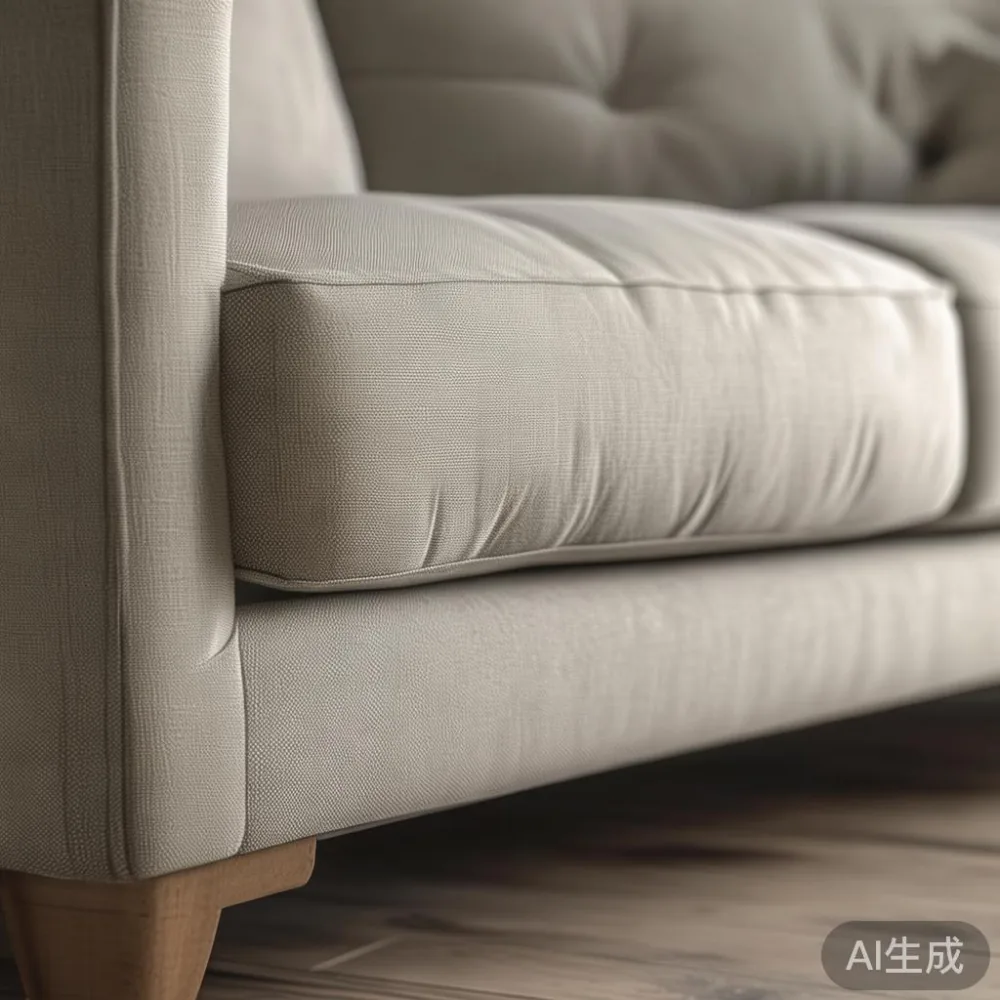
Understanding Singapore's Humidity: A Daily Reality
Singapore's tropical climate is defined by its high relative humidity, which often hovers between 70% and 90%, especially during the monsoon seasons from November to January. This isn't just a weather report; it's a constant environmental factor that seeps into our homes. For a solid wood care sofa, which is typically constructed from woods like teak, oak, or walnut, this moisture is a double-edged sword. Wood is a hygroscopic material, meaning it naturally absorbs and releases moisture from the air. In a humid environment, wood absorbs moisture, causing its fibres to swell. Conversely, during drier periods, it releases moisture and contracts.
This natural expansion and contraction are perfectly normal. However, when the swings are too severe or too frequent, the stress can lead to tangible problems. The wood in your sofa frame can warp, causing the sofa to feel unstable or develop creaks. Joints, especially those in the legs and arms, can loosen. The most visible effect is often on the finish. A high-quality lacquer or oil finish can become cloudy or develop small, hairline cracks as the wood beneath it moves. This is why selecting a care sofa from a manufacturer like MIDHILL, which understands these regional challenges, is so important. Their 10-year structural warranty provides peace of mind, knowing the frame is built to withstand these environmental stresses.
How Humidity Directly Impacts Your Care Sofa's Components
The effects of humidity are not uniform across a care sofa. Different components react in different ways, and knowing what to look for can help you spot potential issues early.
1. The Solid Wood Frame: This is the structural backbone of your sofa. A frame made from kiln-dried solid wood is less prone to warping, but it is not immune. In a condo with poor air circulation, the frame can absorb moisture from the air, leading to a slight increase in its dimensions. Over time, this pressure can cause the wood to bow or twist. You might notice that your sofa sits unevenly on the floor or that the arms are no longer perfectly parallel. The weight of a solid wood sofa can also be a factor; a standard 3-seater sofa might weigh between 45 kg and 70 kg, and a warped frame can make it feel even heavier and more cumbersome to move.
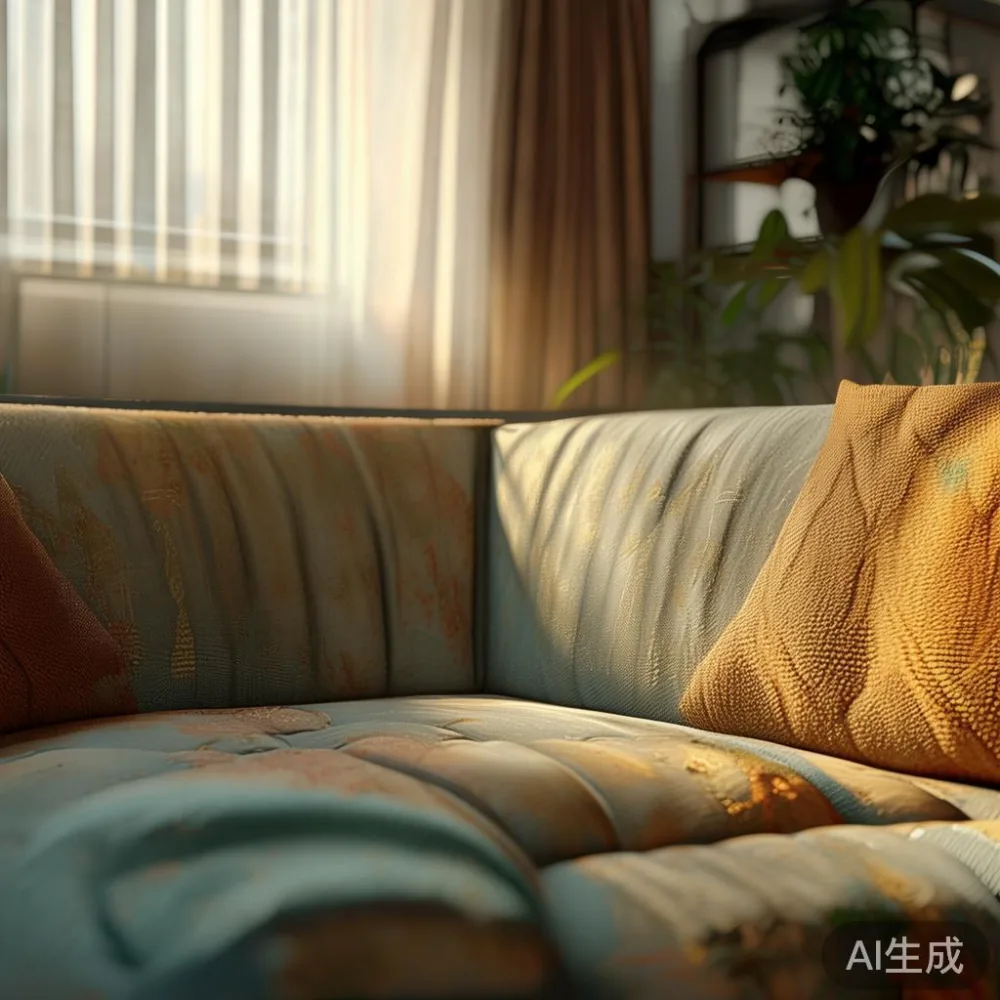
2. The Upholstery Fabric: While the wood frame bears the brunt of the humidity, the upholstery is also affected. High humidity can cause fabrics to feel damp and clammy. Natural fibres like cotton and linen are particularly absorbent and can feel unpleasant to sit on. More critically, the damp environment is a breeding ground for mould and mildew. You might notice a musty smell emanating from the sofa or see small black spots on the fabric, especially in crevices or under the cushions. This not only ruins the aesthetic but can also pose health risks. Regular vacuuming and ensuring good airflow around the sofa are simple but effective preventative measures.
3. The Finish and Veneers: The protective finish on your wood is its first line of defence. In high humidity, this finish can become stressed. If the wood underneath swells, it can push against the finish, causing it to crack or 'blister.' This is particularly true for cheaper, spray-on lacquers. A high-quality, hand-rubbed oil finish or a multi-layered lacquer system is more flexible and better able to handle the movement of the wood, preserving the sofa's light luxury appearance. For instance, a French light luxury care sofa often features a more delicate finish that requires careful maintenance in our climate.
Why Your HDB Lift and Corridor Width Matter for Furniture Care
When you purchase a large piece of furniture like a care sofa, the journey from the showroom to your living room in a Singapore HDB flat or condo can be fraught with logistical challenges. The width of your building's lift and corridor is a critical, often overlooked, factor in the health of your new sofa.
Many HDB blocks, especially older ones in areas like Bedok, have standard lifts with an internal width of approximately 110 cm. A typical 3-seater care sofa can measure anywhere from 180 cm to 220 cm in length. This means the sofa often cannot be moved through the lift in one piece. It must be disassembled. While reputable manufacturers design their sofas with sturdy, easy-to-disassemble frames using screws and bolts (not glue), this process still introduces stress points. Each time a joint is taken apart and reassembled, it's a potential point of weakness that humidity can exploit. A slightly misaligned screw or a frame that wasn't perfectly re-tightened can lead to a wobble that gets worse with humidity changes.
In modern condos like those in Punggol, wider lifts are common, but the challenge shifts to the corridor. A narrow corridor might force you to angle the sofa, increasing the risk of bumping it against walls. This impact can damage the wood's finish or, in a worst-case scenario, create a small crack that moisture can penetrate. The delivery process itself is a moment of vulnerability. Ensuring you choose a provider with experienced delivery personnel who understand how to work through these tight spaces is key. Free shipping over SGD 1,500, a policy offered by many quality brands, is a great perk, but the quality of that delivery service is what truly protects your investment.
Practical Tips for Protecting Your Solid Wood Care Sofa in Singapore
Living with high humidity doesn't mean you can't enjoy a beautiful solid wood care sofa. It simply requires a bit of proactive care. Here are practical, actionable steps you can take to protect your furniture.
1. Control the Micro-Environment: While you can't control the weather, you can control the environment immediately around your sofa. Using a dehumidifier in the same room as your sofa can make a significant difference. Aim to keep the relative humidity between 45% and 55%. This is a comfortable range for both you and your wood. Place the dehumidifier a few metres away from the sofa to allow for even air circulation. Running it for 6-8 hours a day, especially during the night or when you are out, can prevent the wood from becoming waterlogged.
2 Ensure Proper Ventilation: Airflow is your best friend against dampness. On days when it's not raining, open your windows to create a cross-breeze. Position your care sofa away from external walls if possible, as these walls tend to be cooler and can accumulate more condensation. Avoid placing the sofa directly in front of an air-conditioning vent. The constant, cold blast of dry air can cause the wood on the side facing the vent to contract rapidly while the other side remains expanded, creating internal stress that can lead to cracking.
3. Regular Maintenance is Non-Negotiable: A care sofa requires regular upkeep. Dust it weekly with a soft, dry cloth to prevent abrasive particles from sitting on the surface. Every 2-3 months, wipe the wood with a slightly damp cloth followed immediately by a dry one to remove any accumulated grime. For oiled finishes, reapplying a thin layer of furniture oil every 6-12 months will nourish the wood and help it better resist moisture changes. For lacquered finishes, a good quality polish can restore its shine and provide an extra layer of protection. This kind of maintenance is what justifies a lifetime refinishing service; with proper care, your sofa will always look its best.
Is a Solid Wood Care Sofa a Good Choice for Singapore's Humid Climate?
This is a question many homeowners grapple with. After seeing the potential issues, it's natural to wonder if solid wood is the right material for a care sofa in Singapore. The answer is a resounding yes, provided you choose the right product and commit to proper care.
The key lies in the quality of the construction and the wood itself. A cheap, mass-produced sofa made from unseasoned wood or particleboard with a wood veneer is almost guaranteed to fail in our climate. The wood will warp, the veneer will peel, and the joints will loosen. In contrast, a high-quality care sofa from a reputable maker uses kiln-dried solid wood. Kiln-drying is a process where the wood is placed in a large oven to reduce its moisture content to a level that is stable for the local climate. This pre-treatment significantly minimizes the wood's tendency to expand and contract after it has been crafted into furniture.
Also, a well-made care sofa features strong joinery techniques, such as mortise and tenon or dowel joints, which are much more durable than simple screws or staples. When you combine this quality construction with the maintenance habits mentioned earlier, you get a piece of furniture that is not only beautiful but also resilient. The character that solid wood develops over time—a subtle deepening of the colour, a softening of the edges—is a proof of its quality and becomes a unique part of your home's story. For example, a post-modern light luxury care sofa with clean lines and a rich walnut finish can become a stunning centrepiece in a Tampines HDB living room, its beauty deepening with each passing year.
Making the Right Investment: What to Look For in a Humidity-Resistant Care Sofa
When shopping for a care sofa in Singapore, it's easy to be swayed by style alone. However, to ensure your purchase withstands the local climate, you need to look beyond aesthetics and focus on the details that indicate quality and durability.
1. The Warranty Tells a Story: A warranty is a manufacturer's promise about their product's longevity. A 10-year structural warranty is a strong indicator of confidence in the sofa's frame. This means the company stands behind the integrity of its joinery and the quality of its wood. A lifetime refinishing warranty is even more impressive, as it suggests the manufacturer believes the underlying wood is of such high quality that it can be restored to its original beauty decades down the line. These warranties protect your investment over the long term, far exceeding the standard 7% GST you pay on the purchase price.
2. Ask About the Wood and the Finish: Don't be afraid to ask direct questions. Inquire about the type of wood used (e.g., solid teak, solid oak) and whether it has been kiln-dried. Ask about the type of finish applied. A water-based polyurethane finish is highly durable and moisture-resistant, while a high-quality oil finish offers a more natural look but requires more maintenance. Understanding these details helps you choose a sofa that fits your lifestyle. For instance, a busy family might prefer the low-maintenance durability of a polyurethane finish on their care sofa.
3. Consider the Delivery and Return Policy: The logistics of getting the sofa into your home are part of the purchase experience. A 14-day return policy gives you a safety net. If the sofa arrives damaged or simply doesn't fit, you have a clear recourse. Free shipping over a certain amount (e.g., SGD 350) is a standard perk from good brands, but confirm what 'free' includes. Does it include assembly within your home? Does the delivery team work through tight corridors and lifts professionally? These services add significant value and are part of the package that protects your new furniture from the moment it leaves the warehouse.
Last month, I visited a client in a Punggol condo who had recently purchased a care sofa. She was worried about a small, 2 cm gap that had appeared between the armrest and the seat cushion. I explained that this was likely due to the wood settling in its new environment and was perfectly normal. We discussed the importance of using a dehumidifier, and she felt much better. A week later, she sent me a photo, happy to report the gap had closed as the wood stabilised. This experience reinforced that a little knowledge and proactive care can prevent unnecessary worry and keep your care sofa looking perfect.